
Flutter
Make the most of this cutting-edge technology by developing apps quickly! Our Flutter solutions have amazing features that can be used to create sleek, high-performance apps that can scale seamlessly across platforms.



We aim to build applications that excel in all aspects. We consider customer satisfaction as the best award we could receive. In that journey, we have been recognized multiple times for the exceptional products we deliver.
Faster work process

Customer Review on Google
Successful projects accross the world
We are a team of highly dedicated mobile app developers that build cutting-edge mobile applications with the latest technologies.
About us
We cater to dedicated and tailored app development to help companies expand and achieve new heights. We deliver great features focusing on the latest technological advancement.

Our expertise in hybrid application development in Kerala, comes by integrating our agile methodology. We are the leading experts in hybrid application development.

Our rank booster packages reap maximum results for ranking mobile apps higher in the highly competitive niche. We get ahead with a proper ASO strategy crafted under our years of ASO experience.

Our landing page creation in a faster mode connects seamlessly with popular marketing platforms. We build efficient landing pages that crush your revenue goals.
We are a team of highly dedicated mobile app developers that build cutting-edge mobile applications with the latest technologies.
View all Services
Make the most of this cutting-edge technology by developing apps quickly! Our Flutter solutions have amazing features that can be used to create sleek, high-performance apps that can scale seamlessly across platforms.

Explore the endless possibilities of mobile app development with our Figma services. Design compelling apps and refine your tech skills, all while leveraging cutting-edge tools to make a meaningful impact in the industry. Appzoc ensures a seamless user experience.

From startups to enterprises, we specialize in creating Android app development services that drive growth. Our team at Appzoc focuses on developing apps that provide an outstanding experience across all Android devices and wearables.
Node.js, for its high scalability, simplifies the mobile application process and is widely used for real-time applications with many open-source libraries and frameworks. The server-side and client-side switches are easy with Node.js. Node.js developers can constantly publish new code making the app possible as and when needed.
We are a team of highly dedicated mobile app developers that build cutting-edge mobile applications with the latest technologies.
View all Technologies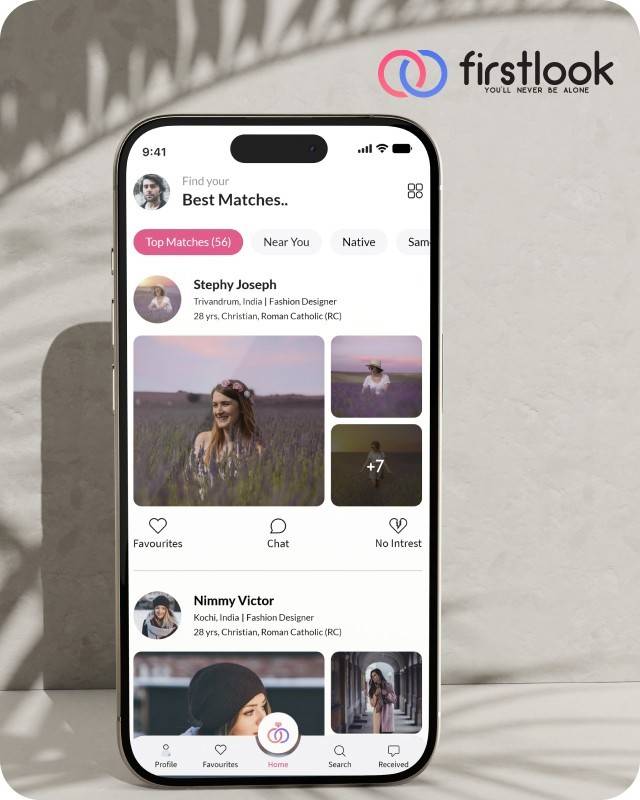
FirstLook Matrimony is a modern matchmaking app that helps you find your perfect life partner with personalized matches, easy chat options, and a secure platform built on trust.

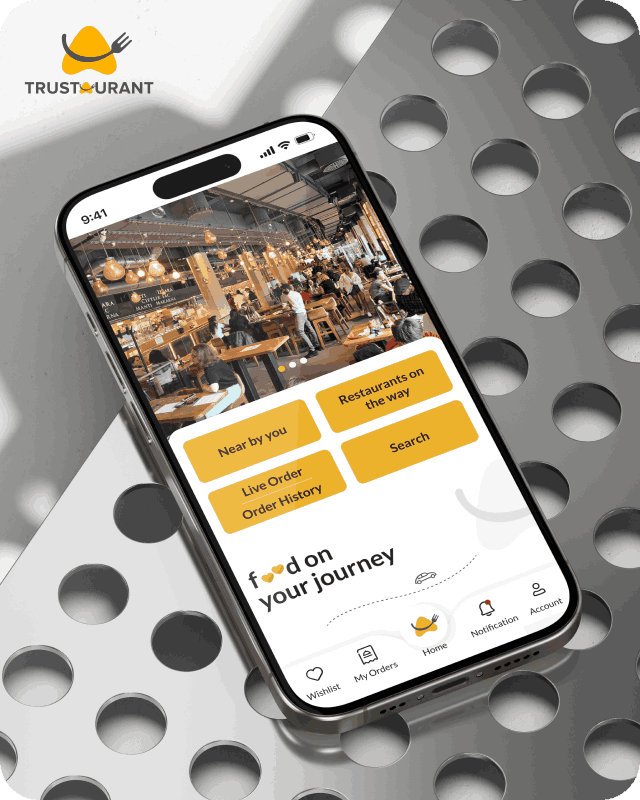
Trustaurant is a travel-friendly food app that helps you discover and order from trusted restaurants nearby or along your journey, all in real-time.
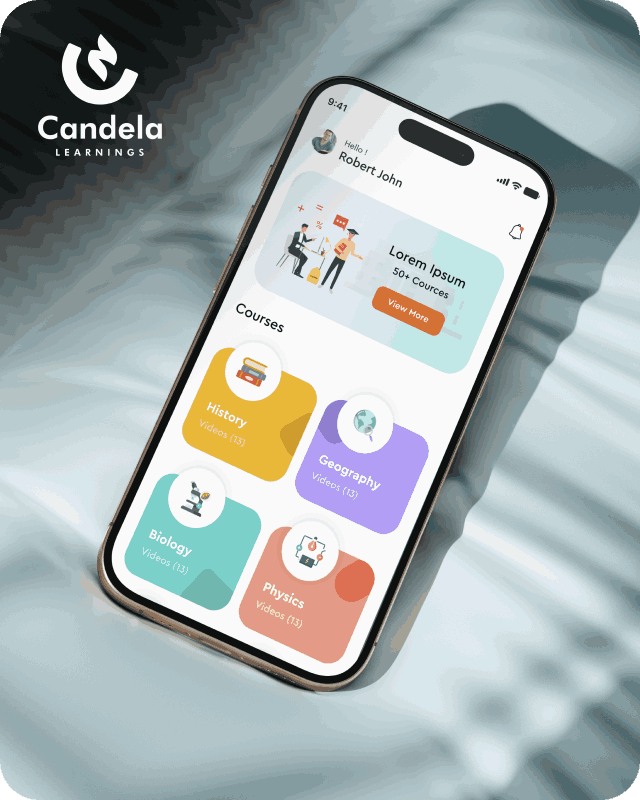
Candela Learnings is an engaging educational app offering interactive video courses in subjects like History, Geography, Biology, and Physics—all in one place.
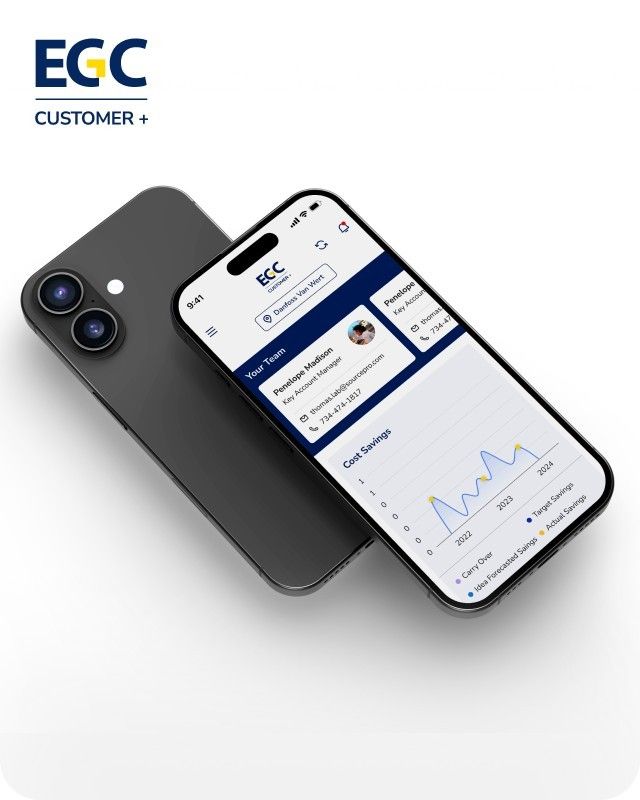
EGC Customer+ is a smart, user-friendly app designed to help you track cost savings, manage key contacts, and stay in control of your account performance—all in one place.
We are a team of highly dedicated mobile app developers that build cutting-edge mobile applications with the latest technologies.
View all WorksWe are a team of highly dedicated mobile app developers that build cutting-edge mobile applications with the latest technologies.
View more openings

That shortcut might cost you more than you think.
A typical scenario looks like this:
A startup team spends three weekends building their MVP using Bubble. They demo it to a seed investor. It looks sharp, it works, and they close a small round. Six months later, they have users and a waitlist—but the product starts to break. It becomes slow, hard to update, and difficult to scale.
This isn’t about blaming low-code. It’s about setting the right expectations.
Startups face constant pressure to show traction. Low-code app development helps turn ideas into products faster.
You can build and improve quickly.
For some, it works well. For others, it creates bigger problems later.
So — which one are you?
“Low-code” and “no-code” aren’t the same—and that matters.
No-code is for non-developers. You build apps with drag-and-drop—no coding needed.
Low-code sits in between. It uses visual tools but lets you add code when needed. You still move fast, but with more power.
Both approaches exist for a reason. Not every startup has technical resources, and not every idea needs heavy time or cost before being tested. Rapid prototyping is now easy for anyone.
The low-code/no-code market is growing quickly, with adoption increasing across startups and enterprises. In Bangalore specifically, you’re seeing more early-stage founders reach for these tools as their first move — which is smart, sometimes, and expensive, other times.
Give credit where it’s due—no-code is hard to beat for certain startups at the right stage.
You can build and iterate in days, not quarters. A basic MVP—login, dashboard, simple workflows—can be built quickly on no-code tools, even by non-developers.
The cost difference is significant. Custom development can be expensive, while a no-code version may only require a small monthly fee and your time. For a pre-seed team, that gap is significant.
Your non-technical co-founder can actually drive. No-code puts product control in the hands of people who understand the customer — not just the codebase. Iterations happen faster when you don’t need to write a ticket, wait for a sprint, and then review the PR.
Investors respond to working things. A functional prototype built on a no-code platform is a stronger conversation starter than a Figma mockup. It shows you can execute, even before you’ve raised money to build properly.
You conserve your most expensive resource. In a city where skilled mobile app developers in Bangalore are in high demand, not burning through your engineering budget on an unvalidated idea is just good capital management.
None of the above changes the fact that these platforms have real ceilings — and those ceilings tend to appear right when you’re gaining momentum.
Technical debt means the hidden cost of decisions made for speed rather than sustainability. With no-code, that debt is structural. The platform makes decisions about your data model, your logic layer, and your infrastructure on your behalf — and when those decisions stop working for you, you often can’t surgically fix them. You rebuild. From scratch. While your users are waiting.
Bubble is a capable platform, but it runs on shared infrastructure. Under high concurrent load — real-time features, large datasets, transaction-heavy workflows — performance drops in ways you can’t engineer around. If your business involves anything that needs to move fast at scale (fintech, logistics, live commerce), you’ll feel this before you’re ready for it.
Everything you build lives inside the platform’s environment. The day the vendor raises prices, sunsets a feature, or gets acquired, you have a problem. This isn’t a hypothetical — it’s happened to founders building on platforms that changed their terms mid-scale.
Biometric authentication, Bluetooth connectivity, NFC, background location, push notification customisation at depth — these are areas where no-code platforms either can’t go or go poorly. If your core product experience depends on any of these, you’re building on the wrong foundation.
If you’re in healthcare, fintech, or any space governed by India’s DPDP Act, RBI guidelines, or international standards like HIPAA, the compliance posture of most no-code platforms will not satisfy enterprise clients — or your investors’ due diligence checklist.
These limits don’t show up early—but when they do, they’re hard to ignore.
Your platform choice in low-code or no-code shapes everything that follows. Two options come up most often for Bangalore founders.
Bubble is a no-code platform for building web apps. It uses visual tools and a built-in database to simplify development.
It works well for products like marketplaces, SaaS tools, and dashboards.
Pricing starts low and increases as your needs grow.
Not suitable for products that need high performance at scale or a true mobile-first experience
For example: a B2B SaaS startup in Bangalore validating a workflow tool or a two-sided marketplace would be a reasonable fit for Bubble at the MVP stage.
FlutterFlow is built on top of Google’s Flutter — which matters, because it means the output is real, exportable Flutter code. That single fact changes the calculus for startups planning to work with a professional development team later.
Built for mobile-first products: iOS and Android, with a single codebase
The exported code is actual Flutter — a development team can inherit and extend it
Firebase integration is native and works well out of the box
Requires more technical comfort than Bubble; non-technical founders will hit walls faster
Paid plans start around $30/month
For a consumer app startup — health, fitness, social, edtech — FlutterFlow gives you the speed of no-code with a more credible path to production. The code export alone makes it worth serious consideration if you’re planning to hand the project to an app development company Bangalore founders often rely on later.
Here’s the honest framework. It’s not complicated, but founders often skip it because they want permission to move fast rather than a genuine decision process.
A common approach is to test with no-code, then rebuild once there’s clear demand.
It’s not a compromise—it saves time and cost.
For example, a typical SaaS team might use a no-code MVP to test their idea. As usage grows, they may hit performance limits and choose to rebuild—avoiding an expensive early build.
The no-code prototype serves its purpose and gets retired. The production build starts with real requirements, real user feedback, and real funding behind it.
Low-code and no-code platforms are not a shortcut around hard decisions. They’re a tool — a good one, in the right hands, at the right moment.
The question worth sitting with isn’t “Should I use no-code?” It’s “What do I actually need to prove in the next 60 days, and what’s the leanest way to prove it?” If a no-code prototype answers that question, use it. If it can’t — if your core product experience requires things that Bubble and FlutterFlow genuinely can’t deliver — then you already have your answer.
And when you’re ready to build the real thing — scalable, performant, built to last — that’s where mobile application development in Bangalore teams like ours come in.
We’ve built apps across industries and stages.
If you’re unsure about your MVP, we’ll help you find the fastest, most cost-effective way to launch.
No pitch. Just a straight conversation about what makes sense for your product.
Book a free consultation: www.appzoc.com
Appzoc Technologies builds Android, iOS, and Flutter apps for startups and growing businesses.