
Flutter
Make the most of this cutting-edge technology by developing apps quickly! Our Flutter solutions have amazing features that can be used to create sleek, high-performance apps that can scale seamlessly across platforms.



We aim to build applications that excel in all aspects. We consider customer satisfaction as the best award we could receive. In that journey, we have been recognized multiple times for the exceptional products we deliver.
Faster work process

Customer Review on Google
Successful projects accross the world
We are a team of highly dedicated mobile app developers that build cutting-edge mobile applications with the latest technologies.
About us
We cater to dedicated and tailored app development to help companies expand and achieve new heights. We deliver great features focusing on the latest technological advancement.

Our expertise in hybrid application development in Kerala, comes by integrating our agile methodology. We are the leading experts in hybrid application development.

Our rank booster packages reap maximum results for ranking mobile apps higher in the highly competitive niche. We get ahead with a proper ASO strategy crafted under our years of ASO experience.

Our landing page creation in a faster mode connects seamlessly with popular marketing platforms. We build efficient landing pages that crush your revenue goals.
We are a team of highly dedicated mobile app developers that build cutting-edge mobile applications with the latest technologies.
View all Services
Make the most of this cutting-edge technology by developing apps quickly! Our Flutter solutions have amazing features that can be used to create sleek, high-performance apps that can scale seamlessly across platforms.

Explore the endless possibilities of mobile app development with our Figma services. Design compelling apps and refine your tech skills, all while leveraging cutting-edge tools to make a meaningful impact in the industry. Appzoc ensures a seamless user experience.

From startups to enterprises, we specialize in creating Android app development services that drive growth. Our team at Appzoc focuses on developing apps that provide an outstanding experience across all Android devices and wearables.

Node.js, for its high scalability, simplifies the mobile application process and is widely used for real-time applications with many open-source libraries and frameworks. The server-side and client-side switches are easy with Node.js. Node.js developers can constantly publish new code making the app possible as and when needed.
We are a team of highly dedicated mobile app developers that build cutting-edge mobile applications with the latest technologies.
View all Technologies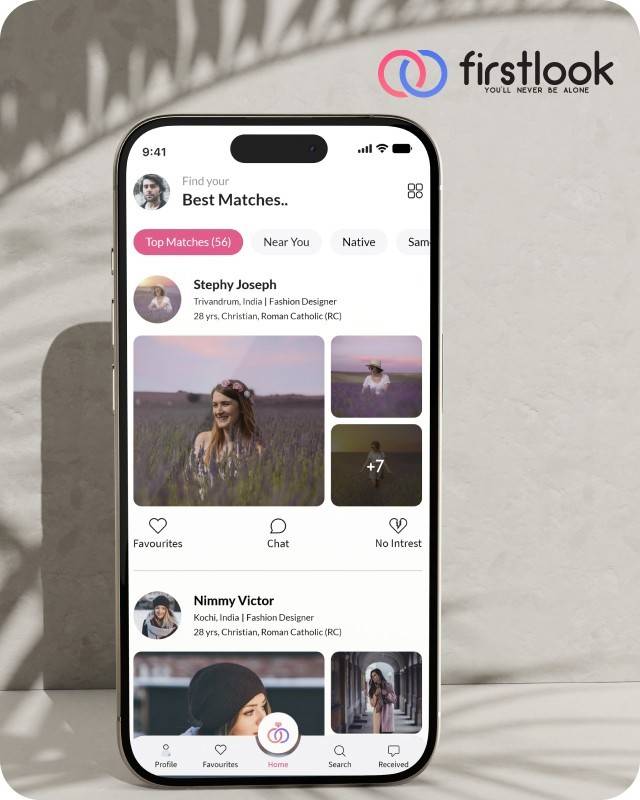
FirstLook Matrimony is a modern matchmaking app that helps you find your perfect life partner with personalized matches, easy chat options, and a secure platform built on trust.


Trustaurant is a travel-friendly food app that helps you discover and order from trusted restaurants nearby or along your journey, all in real-time.
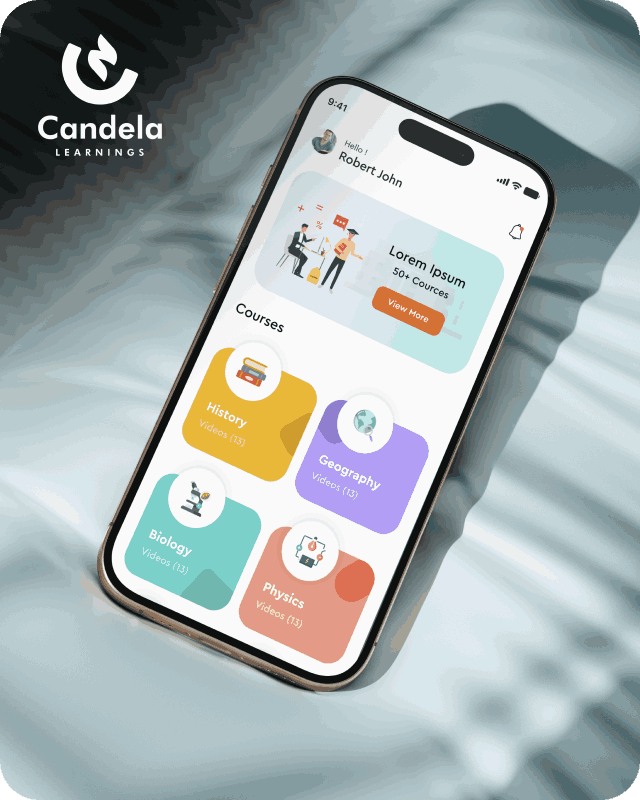
Candela Learnings is an engaging educational app offering interactive video courses in subjects like History, Geography, Biology, and Physics—all in one place.
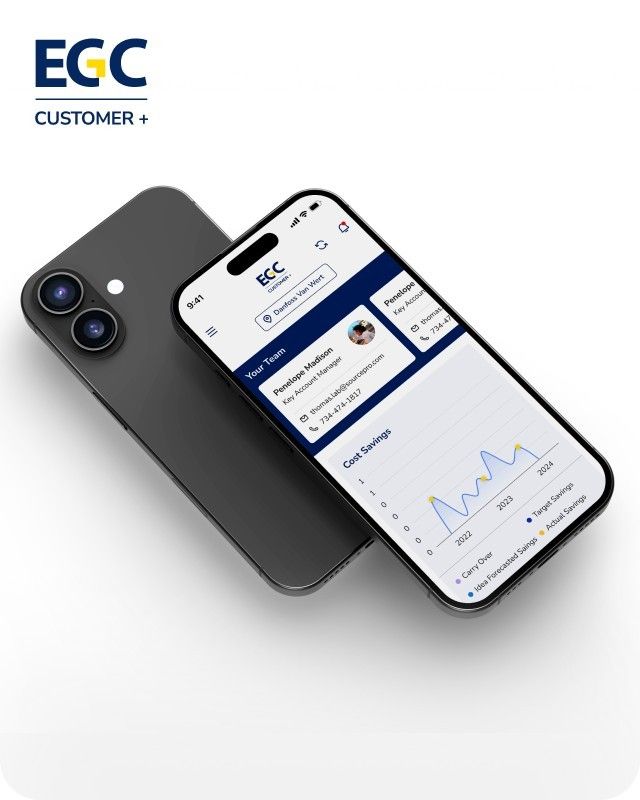
EGC Customer+ is a smart, user-friendly app designed to help you track cost savings, manage key contacts, and stay in control of your account performance—all in one place.
We are a team of highly dedicated mobile app developers that build cutting-edge mobile applications with the latest technologies.
View all WorksWe are a team of highly dedicated mobile app developers that build cutting-edge mobile applications with the latest technologies.
View more openings

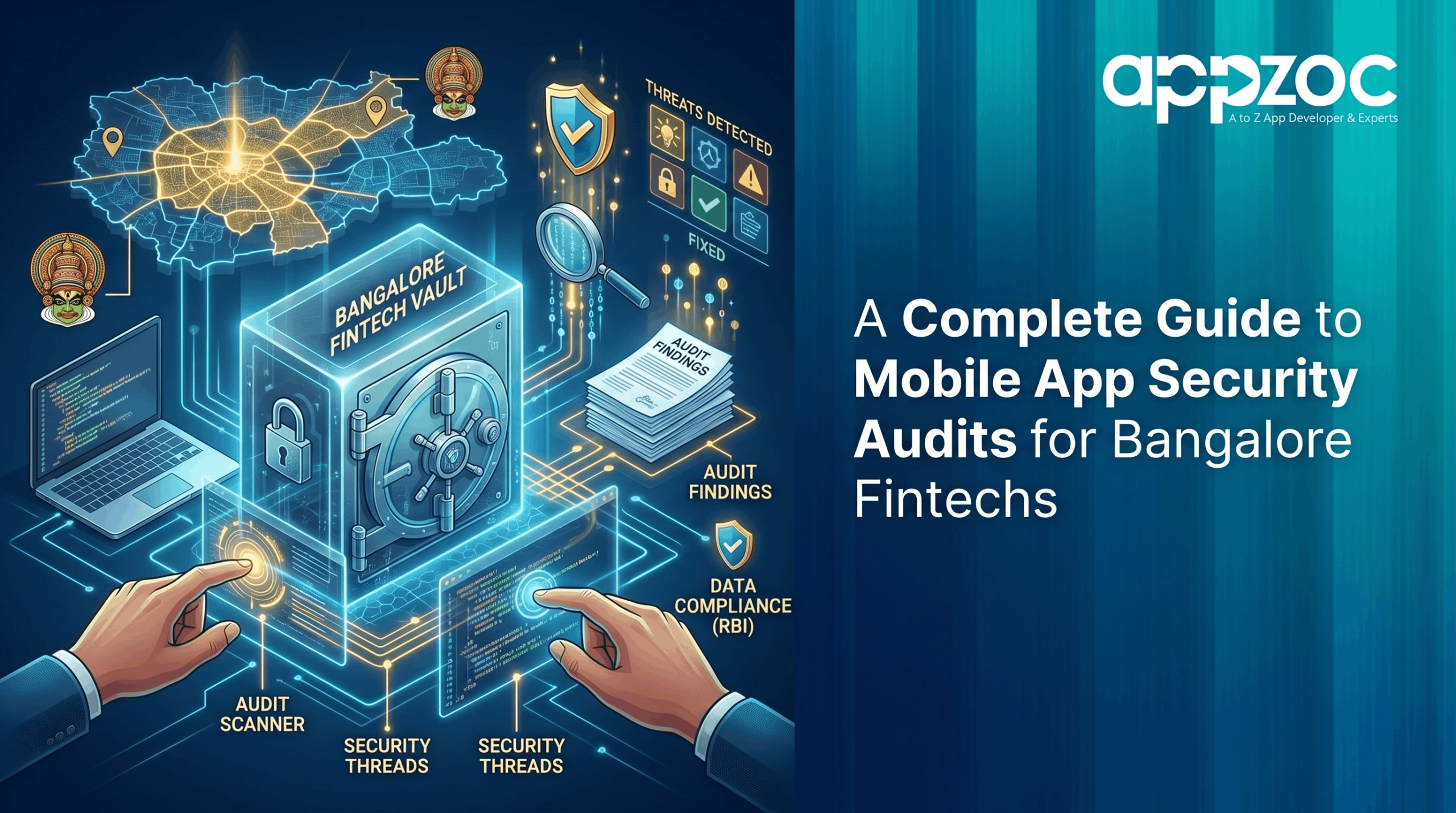
In several reported cases, fintech apps handling thousands of transactions have been breached due to simple vulnerabilities like unencrypted APIs.
Security failures in fintech often go unnoticed until damage occurs. By the time issues are found, the damage is done. A mobile app security audit helps you find and fix them early.
A mobile app security audit checks your app for risks early.
It’s an ongoing process, not a one-time task. For fintech companies handling payments, KYC data, and lending records, it’s an ongoing practice that should run parallel to your development cycle.
A thorough audit covers:
Bangalore’s fintech ecosystem has grown fast — arguably faster than its security culture has kept pace. Startups move quickly, investors want launches, and security reviews often get pushed to “after the next release”.
That gap can be costly, as seen in multiple security incidents. India’s Digital Personal Data Protection Act (2023) now has real enforcement , so mishandling user data can lead to legal consequences—not just reputational damage. DPDP compliance isn’t optional for any fintech collecting, processing, or storing personal data of Indian users — which is every fintech in Bangalore.
Beyond regulation, industry reports consistently show fintech apps as high-value targets due to the sensitivity of financial data. Payment credentials, Aadhaar-linked data, and lending histories are worth significantly more to attackers than generic user profiles. The attack surface is large—and the incentive to exploit it is real.
Penetration testing (pen testing) simulates real attacks to find weaknesses. It checks the app, its APIs, and backend systems. A pen test without all three gives you an incomplete picture.
The OWASP Mobile Top 10 is the most widely referenced framework for mobile application security. It lists the ten most critical vulnerability categories in mobile apps — things like improper credential storage, insecure data transmission, insufficient cryptography, and weak server-side controls.
A proper mobile app security audit should cover the full OWASP Mobile Top 10. If a vendor doesn’t mention it, that’s a red flag.
VAPT means Vulnerability Assessment and Penetration Testing. It finds weaknesses and then tests how serious they are—showing what’s vulnerable and the real risk.
For fintech apps, VAPT should be conducted at minimum before every major release and after any significant infrastructure change.
Modern phones have a secure enclave—a safe place for biometrics and encryption keys. Storing sensitive data outside it increases risk.
A security audit checks if your app uses this safely and keeps sensitive data out of exposed memory.
India’s DPDP Act requires clear consent, secure storage, and timely data deletion. A security audit checks for gaps in these areas. For Bangalore fintechs, it should also align with GDPR and other global rules.
A common mistake is treating security audits as one-time, not ongoing. The threat landscape changes. Your codebase changes. Third-party dependencies change.
A reasonable cadence for fintech apps:
Security starts at the design stage, not during audits. Choose a development partner that builds it in from day one—not as a later fix.
When evaluating, ask:
Top mobile app development companies in Bangalore that work in fintech should answer these questions without hesitation.
If they can’t, that’s a red flag. Choosing the right partner is as important as the right security strategy. If they focus only on features and timelines, that’s a red flag.
Security-conscious development reduces audit cost and complexity. It also speeds up remediation. An app built with poor practices takes far longer to remediate than one where security was part of the original architecture.
Appzoc builds mobile applications for fintech clients with security architecture embedded from the project’s earliest stages — not added as a final layer before launch. Their development process accounts for OWASP guidelines, DPDP requirements, and secure data handling at the code level, which means security audits find less to fix and remediation cycles are shorter.
For Bangalore fintechs that want a development partner who understands both the product requirements and the security obligations of operating in regulated financial services, Appzoc is worth a direct conversation.
A mobile app security audit isn’t a formality. For fintech companies in Bangalore, it’s one of the few processes that stands between normal operations and a breach that could end them. The DPDP Act has made the regulatory stakes concrete. The threat environment has made the operational stakes just as real.
Build with security in mind. Audit before you launch. Keep auditing after.
Planning a fintech app? Talk to Appzoc about building security from the ground up.