
Flutter
Make the most of this cutting-edge technology by developing apps quickly! Our Flutter solutions have amazing features that can be used to create sleek, high-performance apps that can scale seamlessly across platforms.



We aim to build applications that excel in all aspects. We consider customer satisfaction as the best award we could receive. In that journey, we have been recognized multiple times for the exceptional products we deliver.
Faster work process

Customer Review on Google
Successful projects accross the world
We are a team of highly dedicated mobile app developers that build cutting-edge mobile applications with the latest technologies.
About us
We cater to dedicated and tailored app development to help companies expand and achieve new heights. We deliver great features focusing on the latest technological advancement.

Our expertise in hybrid application development in Kerala, comes by integrating our agile methodology. We are the leading experts in hybrid application development.

Our rank booster packages reap maximum results for ranking mobile apps higher in the highly competitive niche. We get ahead with a proper ASO strategy crafted under our years of ASO experience.

Our landing page creation in a faster mode connects seamlessly with popular marketing platforms. We build efficient landing pages that crush your revenue goals.
We are a team of highly dedicated mobile app developers that build cutting-edge mobile applications with the latest technologies.
View all Services
Make the most of this cutting-edge technology by developing apps quickly! Our Flutter solutions have amazing features that can be used to create sleek, high-performance apps that can scale seamlessly across platforms.

Explore the endless possibilities of mobile app development with our Figma services. Design compelling apps and refine your tech skills, all while leveraging cutting-edge tools to make a meaningful impact in the industry. Appzoc ensures a seamless user experience.

From startups to enterprises, we specialize in creating Android app development services that drive growth. Our team at Appzoc focuses on developing apps that provide an outstanding experience across all Android devices and wearables.

Node.js, for its high scalability, simplifies the mobile application process and is widely used for real-time applications with many open-source libraries and frameworks. The server-side and client-side switches are easy with Node.js. Node.js developers can constantly publish new code making the app possible as and when needed.
We are a team of highly dedicated mobile app developers that build cutting-edge mobile applications with the latest technologies.
View all Technologies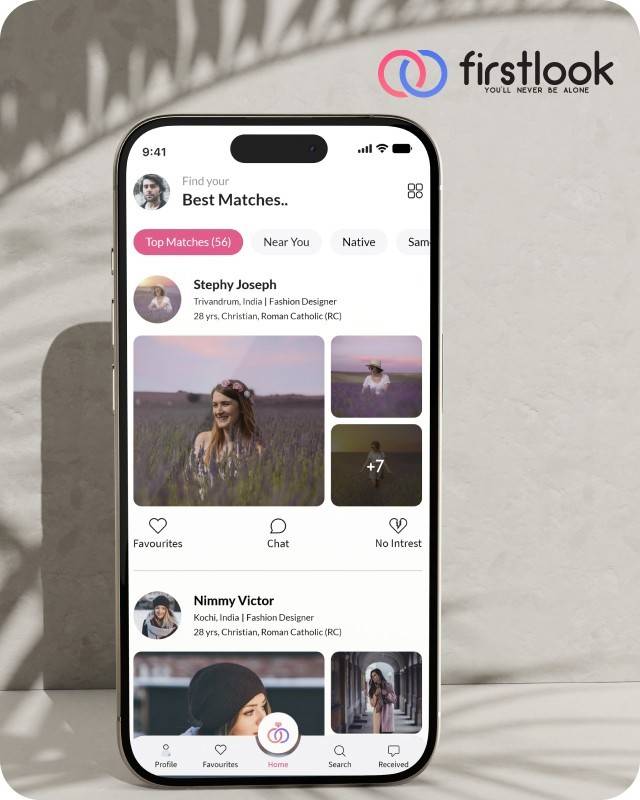
FirstLook Matrimony is a modern matchmaking app that helps you find your perfect life partner with personalized matches, easy chat options, and a secure platform built on trust.

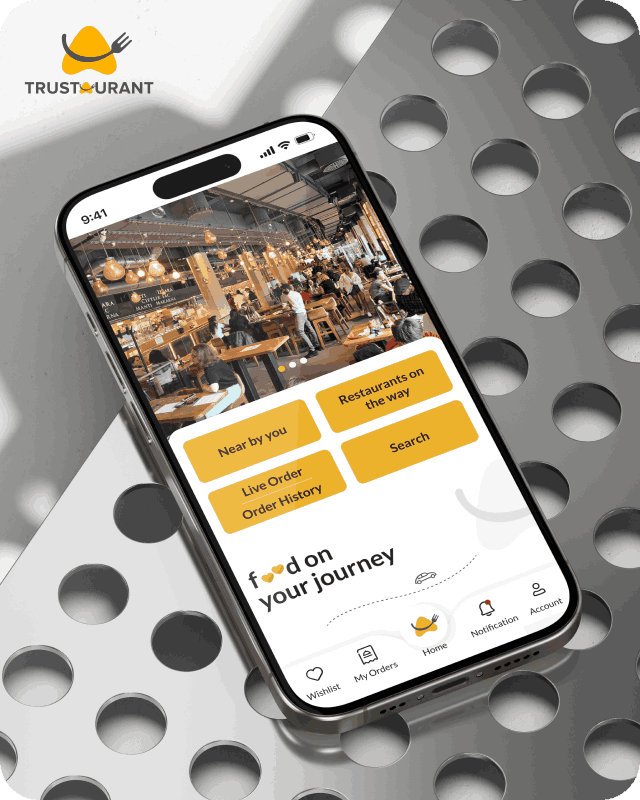
Trustaurant is a travel-friendly food app that helps you discover and order from trusted restaurants nearby or along your journey, all in real-time.
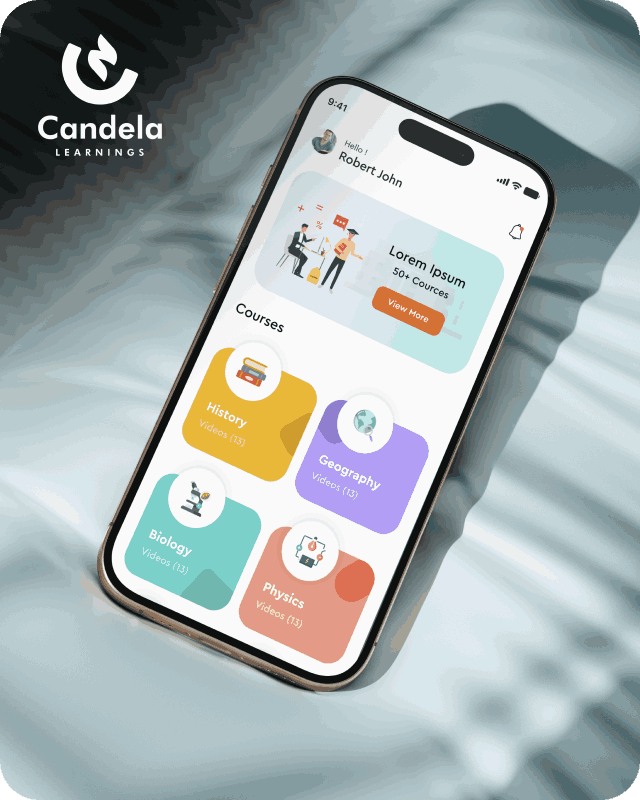
Candela Learnings is an engaging educational app offering interactive video courses in subjects like History, Geography, Biology, and Physics—all in one place.
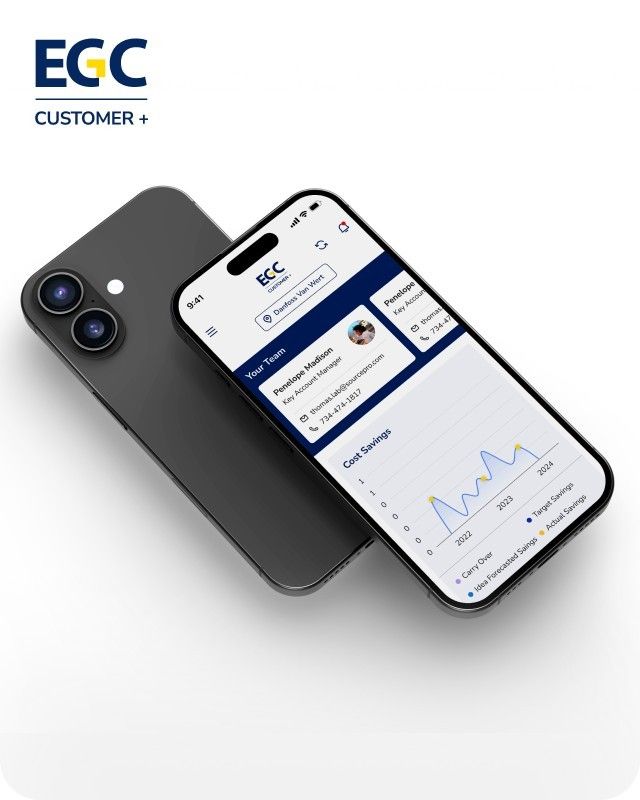
EGC Customer+ is a smart, user-friendly app designed to help you track cost savings, manage key contacts, and stay in control of your account performance—all in one place.
We are a team of highly dedicated mobile app developers that build cutting-edge mobile applications with the latest technologies.
View all WorksWe are a team of highly dedicated mobile app developers that build cutting-edge mobile applications with the latest technologies.
View more openings

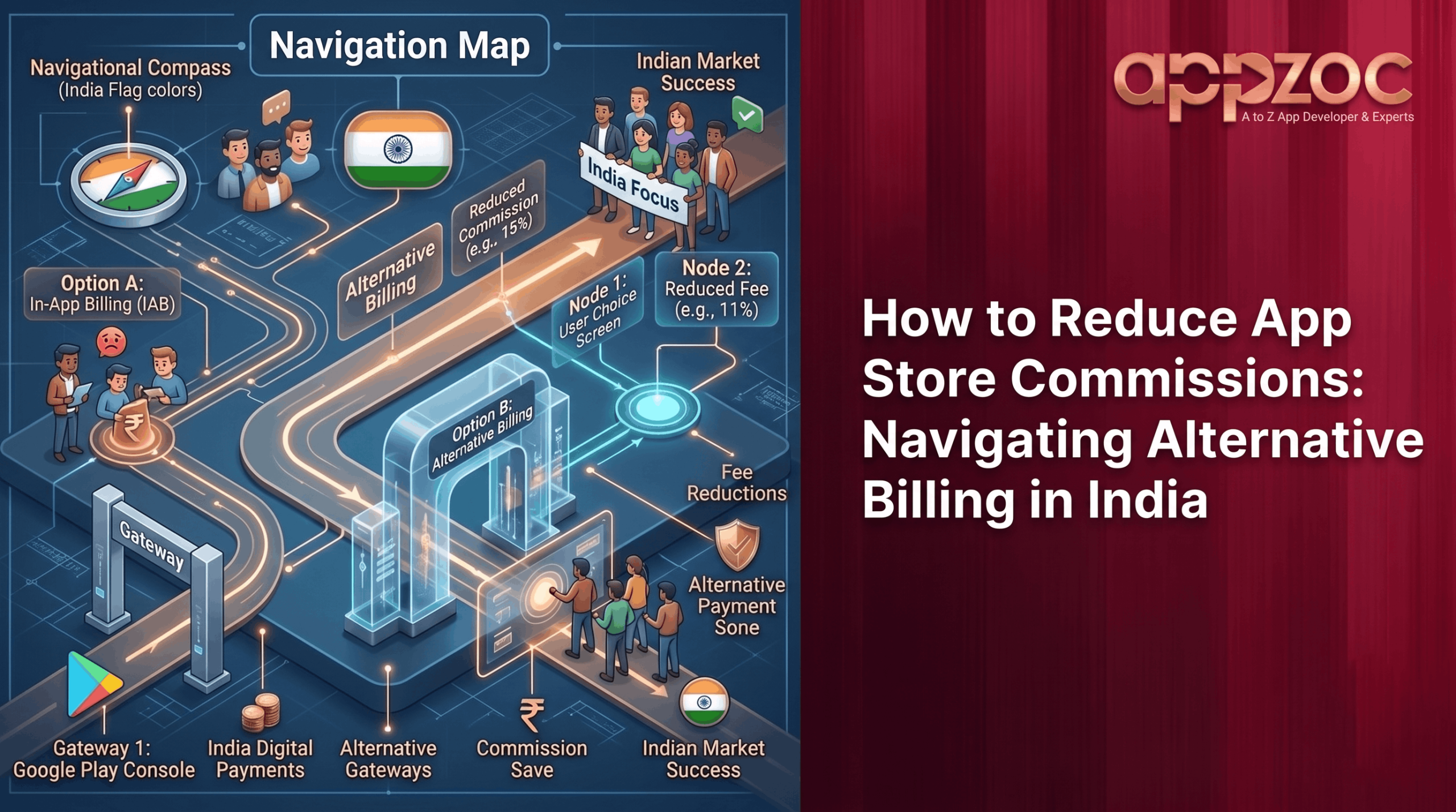
Every time a user pays inside your app, a platform takes its cut. For most developers, that cut is 15% to 30%. Not for fraud protection. Not for a service you chose. Just because you had no other option.
Until now, you kind of didn’t.
But India’s regulatory push has cracked that wall open — and if you’re building apps in 2026 without knowing how app store billing rules India have changed, you’re leaving real margin on the table.
India’s Competition Commission (CCI) ruled Google’s mandatory billing system anti-competitive in October 2022. Google now offers three billing options in India — including third-party payments at a reduced commission. Apple is under a separate CCI probe.
Here’s the honest version of how this worked for years:
You built an app. You listed it on Google Play or the App Store. You had paying users. And somewhere between the user’s wallet and your bank account, the platform quietly kept 30% — or 15% if you were lucky — for the privilege of distribution.
No negotiation. No opt-out. No alternative.
Google’s Play Billing System (GPBS) was mandatory for any app selling digital goods or in-app purchases. You couldn’t use Razorpay. You couldn’t use UPI. You couldn’t even tell your users that another payment option existed. That last part — the “anti-steering” clause — meant you were contractually forbidden from mentioning a cheaper checkout option in your own app.
This is what the CCI called an abuse of dominant position. And they were right.
Let’s be specific, because this is where most blogs go vague.
The 4% reduction is real. It’s also, as the CCI bluntly noted in its March 2024 follow-up probe, somewhat hollow — because at launch, no real alternative billing providers existed in the UCB ecosystem. The CCI called it “an illusory choice.”
That’s still partly true. But the legal architecture is now in place, and the regulatory pressure to make it real isn’t going away.
Apple’s situation is different. The CCI probe into Apple’s App Store billing is still ongoing — no final order yet. Apple’s standard rate is 30%, dropping to 15% under the Small Business Program for developers earning under $1M/year.
Here’s the practical side, broken into actions:
The old argument from Google and Apple was: we provide the infrastructure, discovery, security — the commission is fair.
The CCI’s response, backed by Google’s own internal documents, was direct: Google’s internal data suggests 6% is enough to break even on Play Store services. The 15-30% charge isn’t infrastructure cost recovery. It’s margin extraction.
Indian developers — especially those building in cities like Bangalore, Pune, and Hyderabad — have been losing real money to a policy that had no legal basis for being mandatory. That’s changing. Slowly, imperfectly, but it’s changing.
If you’re a mobile app developer in Bangalore or running an app development company in Bangalore, the current regulatory window is the right time to audit your billing setup. The tools are there. The legal backing is there. What’s missing, often, is someone to implement it correctly from day one.
Reducing platform commission isn’t just a policy question. It’s an architectural decision made during development.
How your app handles payments, what billing system it integrates, whether it supports a web checkout path, how it structures subscription tiers — these are decisions made at the code level. Getting them wrong means either leaving money on the platform’s table or worse, violating store policies and getting delisted.
This is exactly the kind of problem that a mobile development company in Bangalore with experience in app monetisation strategy — like Appzoc — is built to solve.
Whether you’re planning a new app or rethinking an existing one’s billing flow, Appzoc’s team brings both the technical depth and the platform compliance knowledge to build it right.
Talk to the Appzoc team. Bring your app idea, your existing build, or just your questions — and walk away with a clear picture of what your margins could actually look like.
Contact Appzoc and start that conversation today.