Flutter
Make the most of this cutting-edge technology by developing apps quickly! Our Flutter solutions have amazing features that can be used to create sleek, high-performance apps that can scale seamlessly across platforms.



We aim to build applications that excel in all aspects. We consider customer satisfaction as the best award we could receive. In that journey, we have been recognized multiple times for the exceptional products we deliver.
Faster work process

Customer Review on Google
Successful projects accross the world
We are a team of highly dedicated mobile app developers that build cutting-edge mobile applications with the latest technologies.
About us
We cater to dedicated and tailored app development to help companies expand and achieve new heights. We deliver great features focusing on the latest technological advancement.

Our expertise in hybrid application development in Kerala, comes by integrating our agile methodology. We are the leading experts in hybrid application development.

Our rank booster packages reap maximum results for ranking mobile apps higher in the highly competitive niche. We get ahead with a proper ASO strategy crafted under our years of ASO experience.

Our landing page creation in a faster mode connects seamlessly with popular marketing platforms. We build efficient landing pages that crush your revenue goals.
We are a team of highly dedicated mobile app developers that build cutting-edge mobile applications with the latest technologies.
View all Services
Make the most of this cutting-edge technology by developing apps quickly! Our Flutter solutions have amazing features that can be used to create sleek, high-performance apps that can scale seamlessly across platforms.

Explore the endless possibilities of mobile app development with our Figma services. Design compelling apps and refine your tech skills, all while leveraging cutting-edge tools to make a meaningful impact in the industry. Appzoc ensures a seamless user experience.

From startups to enterprises, we specialize in creating Android app development services that drive growth. Our team at Appzoc focuses on developing apps that provide an outstanding experience across all Android devices and wearables.

Node.js, for its high scalability, simplifies the mobile application process and is widely used for real-time applications with many open-source libraries and frameworks. The server-side and client-side switches are easy with Node.js. Node.js developers can constantly publish new code making the app possible as and when needed.
We are a team of highly dedicated mobile app developers that build cutting-edge mobile applications with the latest technologies.
View all Technologies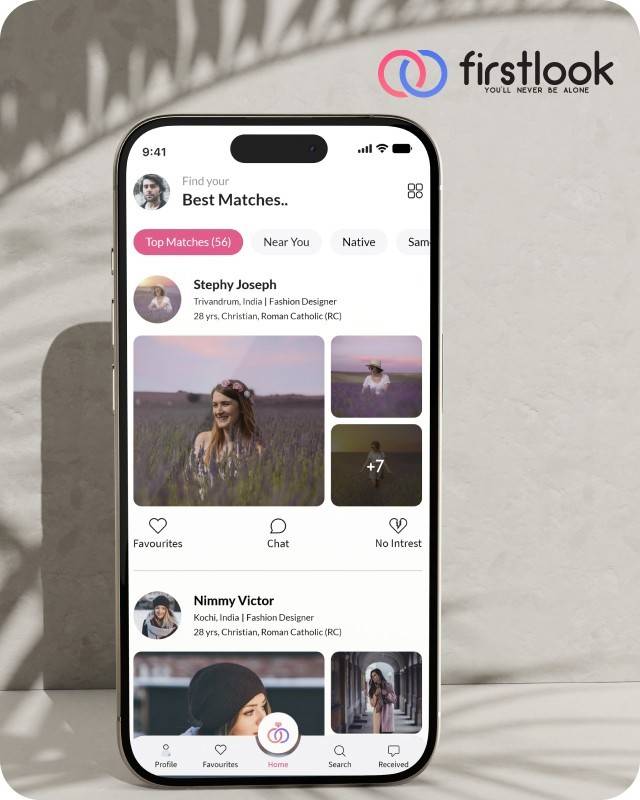
FirstLook Matrimony is a modern matchmaking app that helps you find your perfect life partner with personalized matches, easy chat options, and a secure platform built on trust.

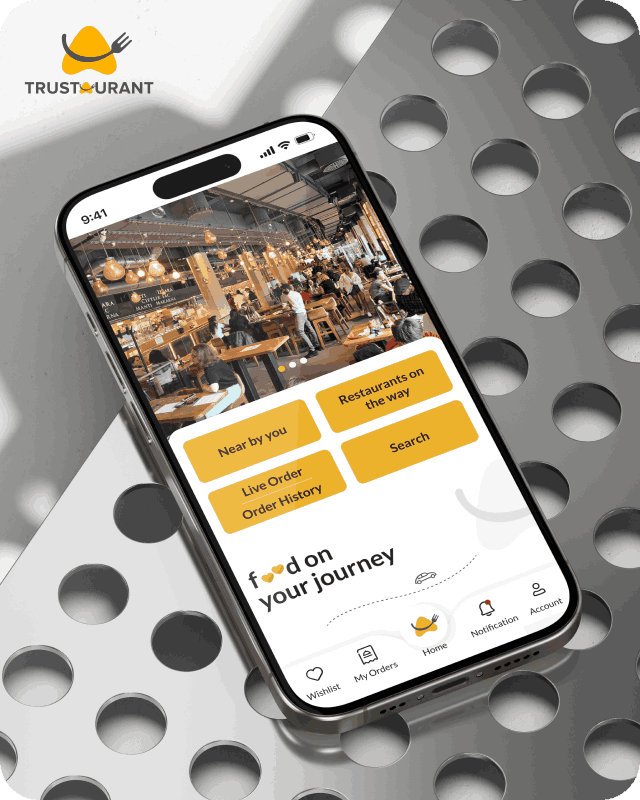
Trustaurant is a travel-friendly food app that helps you discover and order from trusted restaurants nearby or along your journey, all in real-time.
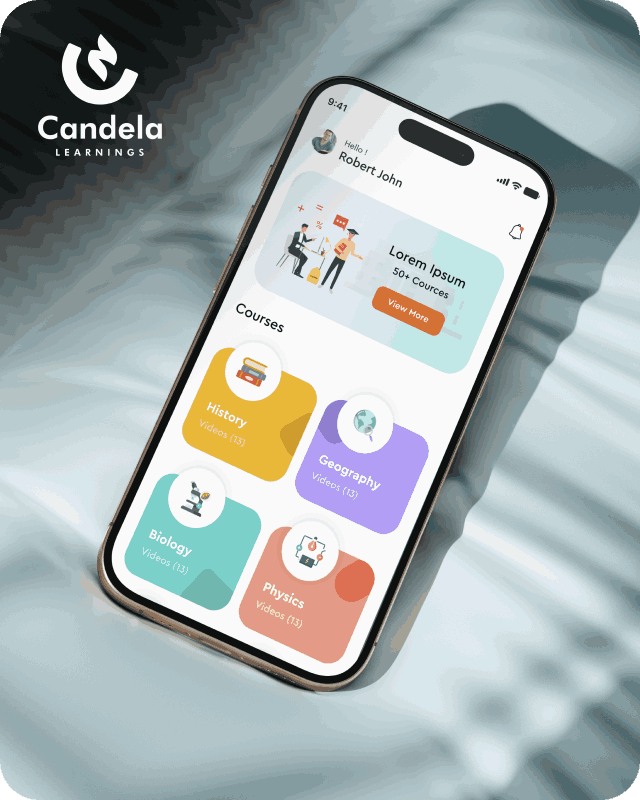
Candela Learnings is an engaging educational app offering interactive video courses in subjects like History, Geography, Biology, and Physics—all in one place.
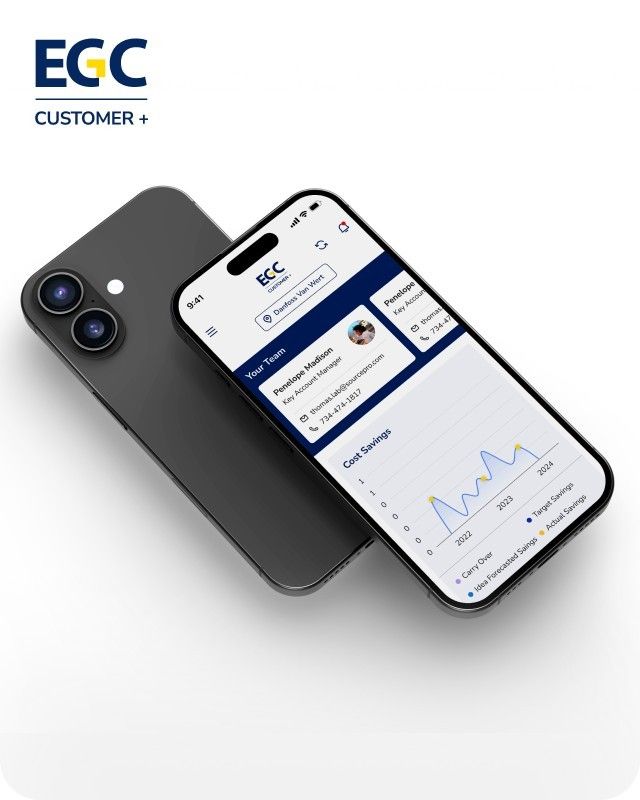
EGC Customer+ is a smart, user-friendly app designed to help you track cost savings, manage key contacts, and stay in control of your account performance—all in one place.
We are a team of highly dedicated mobile app developers that build cutting-edge mobile applications with the latest technologies.
View all WorksWe are a team of highly dedicated mobile app developers that build cutting-edge mobile applications with the latest technologies.
View more openings

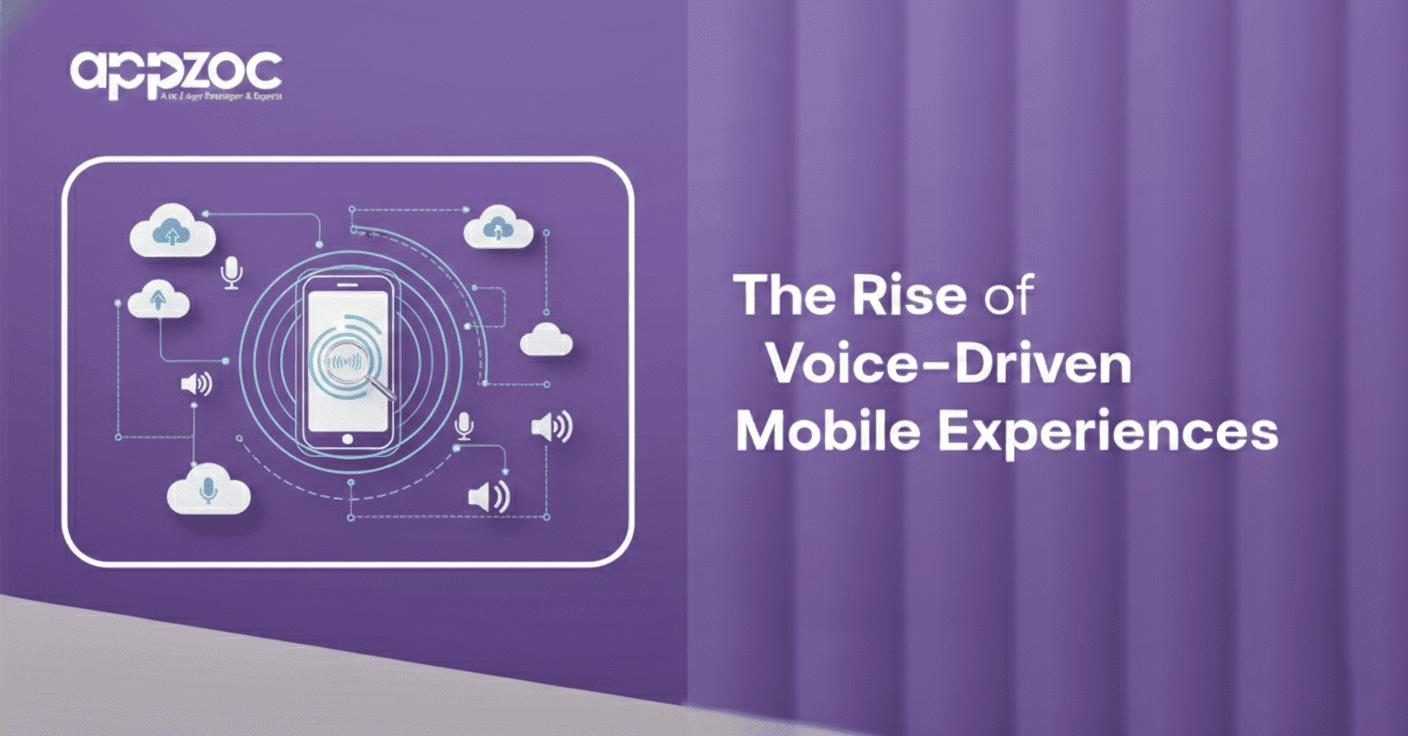
Open an app, say “Pay my bill” or “Show my orders,” and it’s done in seconds. No endless tapping, no tiny text boxes. The shift from swiping to speaking marks the emergence of voice-driven mobile experiences.
Voice is now a natural way to use apps on the go.
Voice apps fit habits we already have—talking to devices feels natural.
Some reasons adoption is growing:
For teams exploring AI in mobile apps, voice is often the most visible proof that “the app understands me.”
Simply adding a microphone icon does not create a good voice experience. The real work sits behind the scenes.
A solid voice flow usually needs:
When all of this works together, voice feels like the easiest way to get specific tasks done, not a “demo feature.”
Voice UX pushes teams beyond screens and buttons. Users cannot “see” every option at once, so the design has to be more conversational.
Some helpful patterns:
Good voice UX design is a natural, guided conversation that keeps users on track.
Without AI, voice is just another input method. With AI, voice becomes a way to deliver more useful, personalised experiences.
AI can add:
This is where AI in mobile apps moves beyond buzzword status and starts solving real user problems.
For teams working on Android development Bangalore, voice is becoming a practical way to differentiate in a crowded app landscape.
Some local realities:
In such contexts, voice-enabled apps are not only “cool”; they can actually save time and reduce user drop‑offs.
Organisations exploring voice benefit from a partner in app engineering and UX. This is where Appzoc comes in.
Areas where Appzoc can help:
For teams in and around Android development in Bangalore, partnering with Appzoc can turn “we should do something with voice” into a concrete roadmap and working pilot.
Voice-driven mobile experiences are no longer a general idea. They are already shaping how people use banking apps, commerce apps, and everyday utilities. The risk now is not “investing too early” but “waiting until users expect voice and finding your app left behind.”
If you are part of a product, design, or engineering team, identify one or two high‑impact journeys and ask: “What would this look like if it started with voice?” When you are ready to turn that question into a small, real experiment, connect with the Appzoc team to explore what a focused voice pilot could look like in your mobile roadmap.
Start your voice pilot today—test key app tasks and see results fast with Appzoc.