Flutter
Make the most of this cutting-edge technology by developing apps quickly! Our Flutter solutions have amazing features that can be used to create sleek, high-performance apps that can scale seamlessly across platforms.



We aim to build applications that excel in all aspects. We consider customer satisfaction as the best award we could receive. In that journey, we have been recognized multiple times for the exceptional products we deliver.
Faster work process

Customer Review on Google
Successful projects accross the world
We are a team of highly dedicated mobile app developers that build cutting-edge mobile applications with the latest technologies.
About us
We cater to dedicated and tailored app development to help companies expand and achieve new heights. We deliver great features focusing on the latest technological advancement.

Our expertise in hybrid application development in Kerala, comes by integrating our agile methodology. We are the leading experts in hybrid application development.

Our rank booster packages reap maximum results for ranking mobile apps higher in the highly competitive niche. We get ahead with a proper ASO strategy crafted under our years of ASO experience.

Our landing page creation in a faster mode connects seamlessly with popular marketing platforms. We build efficient landing pages that crush your revenue goals.
We are a team of highly dedicated mobile app developers that build cutting-edge mobile applications with the latest technologies.
View all Services
Make the most of this cutting-edge technology by developing apps quickly! Our Flutter solutions have amazing features that can be used to create sleek, high-performance apps that can scale seamlessly across platforms.

Explore the endless possibilities of mobile app development with our Figma services. Design compelling apps and refine your tech skills, all while leveraging cutting-edge tools to make a meaningful impact in the industry. Appzoc ensures a seamless user experience.

From startups to enterprises, we specialize in creating Android app development services that drive growth. Our team at Appzoc focuses on developing apps that provide an outstanding experience across all Android devices and wearables.
Node.js, for its high scalability, simplifies the mobile application process and is widely used for real-time applications with many open-source libraries and frameworks. The server-side and client-side switches are easy with Node.js. Node.js developers can constantly publish new code making the app possible as and when needed.
We are a team of highly dedicated mobile app developers that build cutting-edge mobile applications with the latest technologies.
View all Technologies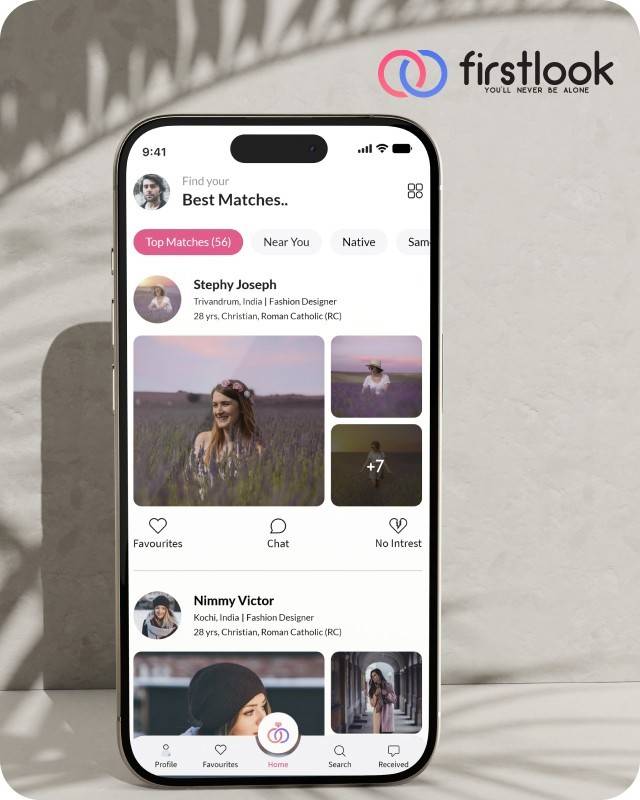
FirstLook Matrimony is a modern matchmaking app that helps you find your perfect life partner with personalized matches, easy chat options, and a secure platform built on trust.

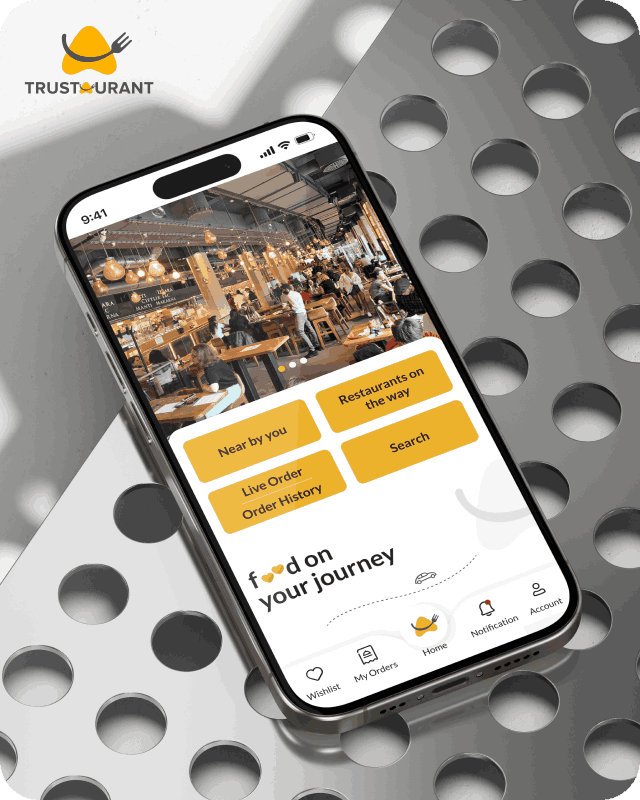
Trustaurant is a travel-friendly food app that helps you discover and order from trusted restaurants nearby or along your journey, all in real-time.
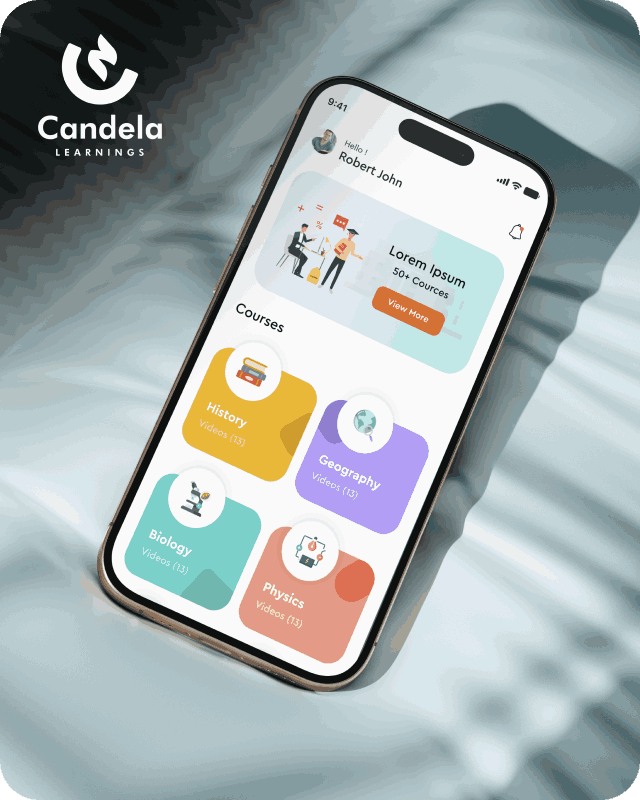
Candela Learnings is an engaging educational app offering interactive video courses in subjects like History, Geography, Biology, and Physics—all in one place.
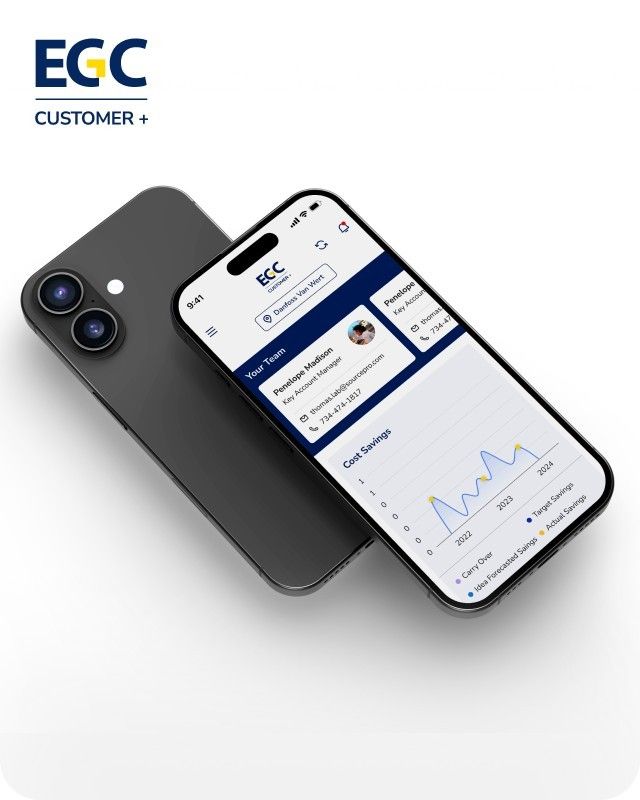
EGC Customer+ is a smart, user-friendly app designed to help you track cost savings, manage key contacts, and stay in control of your account performance—all in one place.
We are a team of highly dedicated mobile app developers that build cutting-edge mobile applications with the latest technologies.
View all WorksWe are a team of highly dedicated mobile app developers that build cutting-edge mobile applications with the latest technologies.
View more openings

Are you tired of maintaining two separate codebases that never quite behave the same way in production? For many teams, that pain is exactly what pushed them towards Flutter app development. In less than a decade, Flutter has gone from an “interesting new toolkit” to one of the most widely loved options in the cross-platform framework space, thanks to its mix of speed, flexibility and consistent app performance across platforms.
Flutter is Google’s open-source UI toolkit that lets you build natively compiled applications for mobile, web and desktop from a single Dart codebase. That sounds similar to other tools, but the way Flutter does it is what won developers over.
Key reasons Flutter feels different:
For individual developers, that combination reduces friction. For teams and product owners, it means fewer moving parts to coordinate and a shorter path from idea to shipped build.
“Write once, run anywhere” used to be a red flag; people expected compromises in UI, performance or both. Flutter’s rise changed that conversation.
Flutter lets you create apps for multiple platforms:
From a developer’s point of view, that means:
For product teams watching budgets and timelines, this is a big part of why Flutter app development has become a default choice for greenfield projects.
One of the reasons Flutter escaped the “toy framework” label is app performance. Flutter renders directly using its own engine and compiles ahead of time, which avoids much of the overhead of JS bridges and webviews.
App performance benefits you typically see:
For developers, this means more time focusing on the product and less time chasing frame drops that only happen on one platform.
Beyond performance and architecture, Flutter’s developer experience is a big reason it has so many fans.
Highlights that matter day-to-day:
This experience is what keeps Flutter developers Bangalore, Kochi, and elsewhere loyal to the framework: the tooling feels modern, and the feedback loop rewards experimentation.
Flutter isn’t for everything, but it excels in certain key areas.
Good fits for Flutter app development:
Use cases where teams report strong results:
In all of these, the cross-platform framework angle, plus app performance in Flutter, delivers measurable speed and cost benefits.
Even with a strong framework, projects fail when architecture, UX decisions or integrations are handled casually. Flutter is powerful, but it still needs experience behind it.
This is where working with a seasoned team of Flutter developers and Bangalore- and Kerala-based engineers makes a difference. A partner like Appzoc brings:
Because Appzoc already focuses on Flutter app development as a core offering, you are not their first experiment with the framework. You benefit from the learning curve they have already climbed.
If you are evaluating tech stacks right now, the question is no longer “Is Flutter mature enough?” but “Does Flutter’s way of doing things match the product we are building?” For many teams, the answer is yes: a single cross-platform framework, strong app performance with Flutter, and a modern developer experience are hard to ignore.
If you want to explore whether Flutter is a good fit for your next release – or if you have an existing app that might be a candidate for a Flutter rewrite – talk to the team at Appzoc. Share your product goals, platforms you care about and timelines, and they can help you decide if Flutter is the right tool and how to structure the build so it lasts.
Build high-performance, cross-platform apps with Flutter. Partner with Appzoc to turn your product vision into reality.