Flutter
Make the most of this cutting-edge technology by developing apps quickly! Our Flutter solutions have amazing features that can be used to create sleek, high-performance apps that can scale seamlessly across platforms.



We aim to build applications that excel in all aspects. We consider customer satisfaction as the best award we could receive. In that journey, we have been recognized multiple times for the exceptional products we deliver.
Faster work process

Customer Review on Google
Successful projects accross the world
We are a team of highly dedicated mobile app developers that build cutting-edge mobile applications with the latest technologies.
About us
We cater to dedicated and tailored app development to help companies expand and achieve new heights. We deliver great features focusing on the latest technological advancement.

Our expertise in hybrid application development in Kerala, comes by integrating our agile methodology. We are the leading experts in hybrid application development.

Our rank booster packages reap maximum results for ranking mobile apps higher in the highly competitive niche. We get ahead with a proper ASO strategy crafted under our years of ASO experience.

Our landing page creation in a faster mode connects seamlessly with popular marketing platforms. We build efficient landing pages that crush your revenue goals.
We are a team of highly dedicated mobile app developers that build cutting-edge mobile applications with the latest technologies.
View all Services
Make the most of this cutting-edge technology by developing apps quickly! Our Flutter solutions have amazing features that can be used to create sleek, high-performance apps that can scale seamlessly across platforms.

Explore the endless possibilities of mobile app development with our Figma services. Design compelling apps and refine your tech skills, all while leveraging cutting-edge tools to make a meaningful impact in the industry. Appzoc ensures a seamless user experience.

From startups to enterprises, we specialize in creating Android app development services that drive growth. Our team at Appzoc focuses on developing apps that provide an outstanding experience across all Android devices and wearables.
Node.js, for its high scalability, simplifies the mobile application process and is widely used for real-time applications with many open-source libraries and frameworks. The server-side and client-side switches are easy with Node.js. Node.js developers can constantly publish new code making the app possible as and when needed.
We are a team of highly dedicated mobile app developers that build cutting-edge mobile applications with the latest technologies.
View all Technologies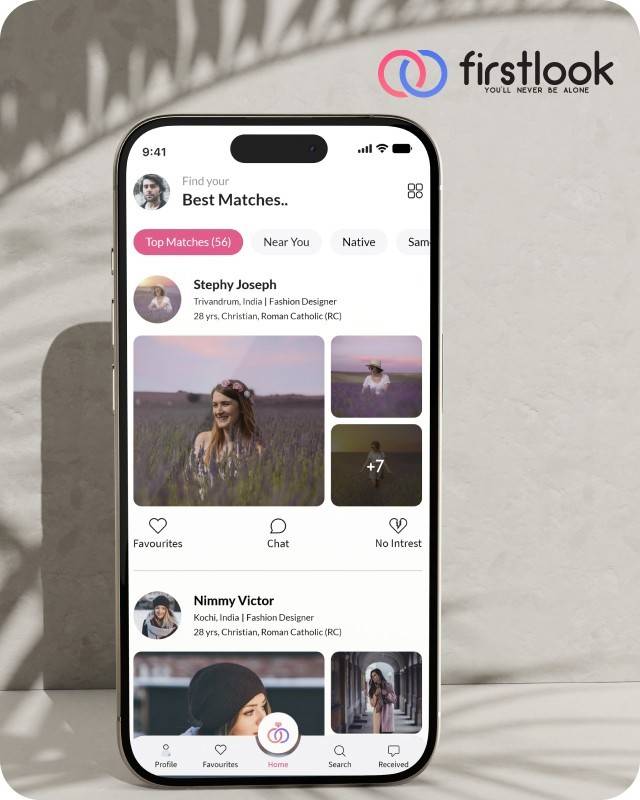
FirstLook Matrimony is a modern matchmaking app that helps you find your perfect life partner with personalized matches, easy chat options, and a secure platform built on trust.

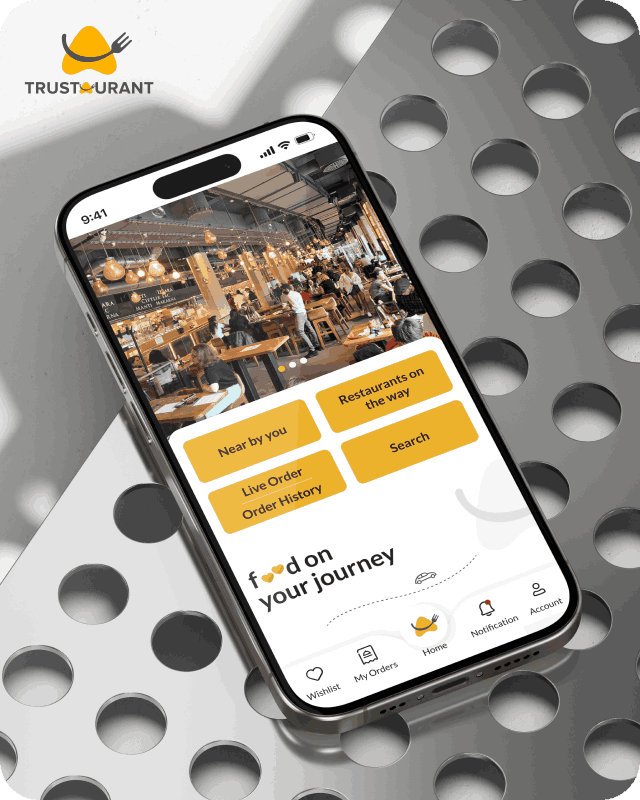
Trustaurant is a travel-friendly food app that helps you discover and order from trusted restaurants nearby or along your journey, all in real-time.
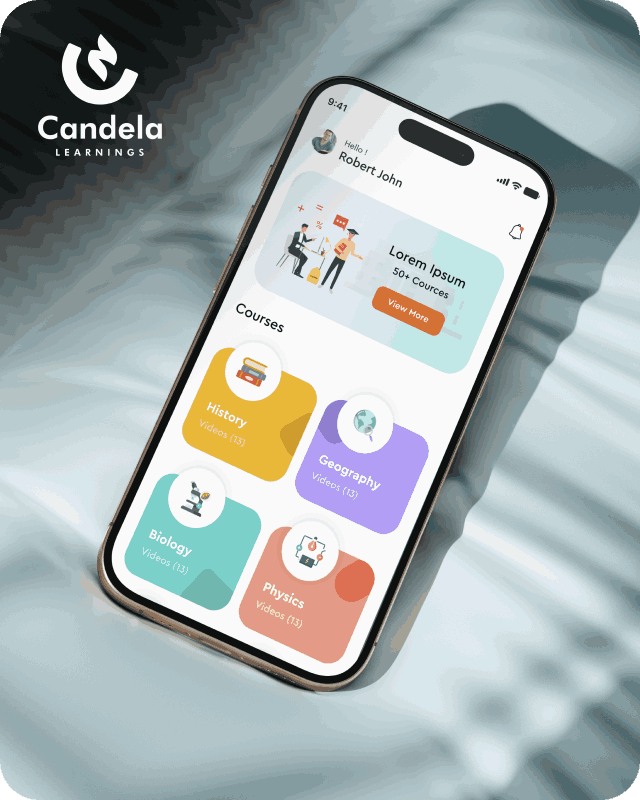
Candela Learnings is an engaging educational app offering interactive video courses in subjects like History, Geography, Biology, and Physics—all in one place.
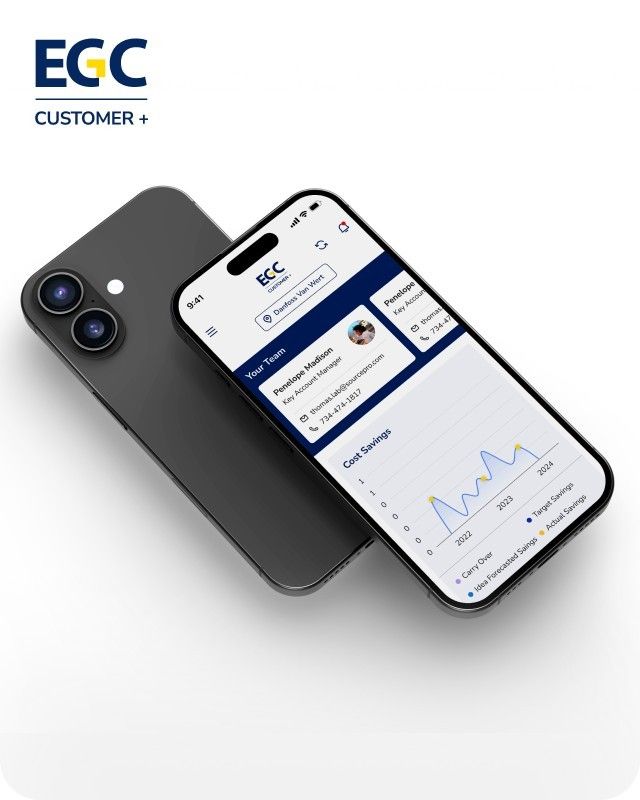
EGC Customer+ is a smart, user-friendly app designed to help you track cost savings, manage key contacts, and stay in control of your account performance—all in one place.
We are a team of highly dedicated mobile app developers that build cutting-edge mobile applications with the latest technologies.
View all WorksWe are a team of highly dedicated mobile app developers that build cutting-edge mobile applications with the latest technologies.
View more openings

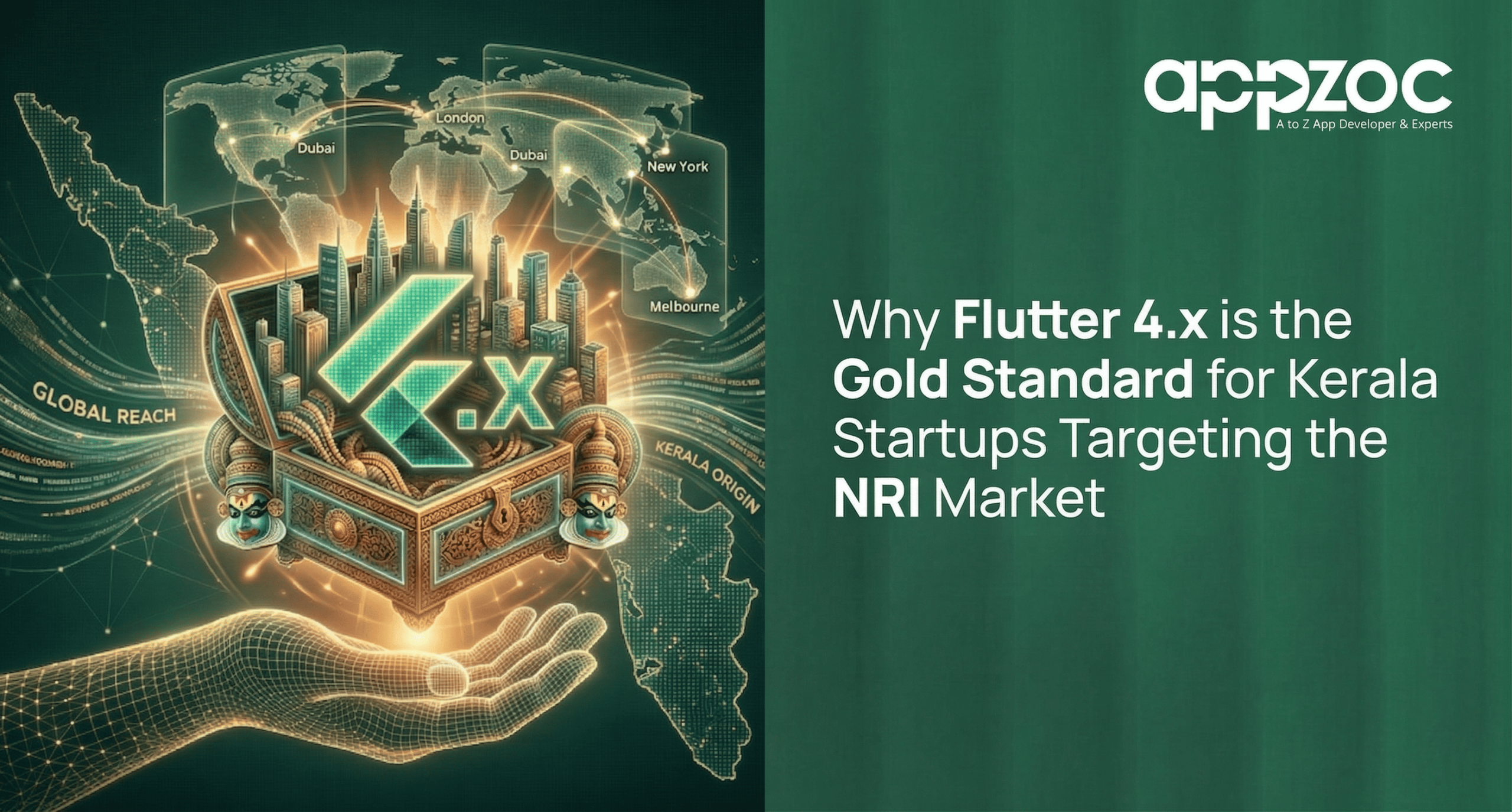
Many startup founders in Kerala face this: they build for the local market, it grows, and then comes the question – “Does this work for NRIs?”
Suddenly there are currency issues. The app lags on Gulf network conditions. The interface feels too local for someone who’s been living abroad for six years. And building a separate version for international users? That’s a budget most early-stage teams simply don’t have.
This is exactly the gap Flutter 4.x was built to close — and why Flutter app services Kerala are becoming the go-to choice for serious mobile app development Kerala.
Let’s skip the feature dump and talk about what’s genuinely changed in version 4.x for businesses building in this part of the world.
Rendering is faster, which matters because NRI users compare your app with global standards every day. A sluggish scroll or a half-second delay on login is enough to lose them.
More practically, Flutter 4.x has much stronger support for real-time sync — the kind of live data updating that finance apps, property platforms, and communication tools absolutely depend on. When a family in Thrissur checks whether their son in Sharjah has transferred money, that update needs to happen the moment it goes through. Not on refresh. The moment it happens.
The 5G optimization improvements also matter more than people realise. It’s not just about speed — it’s about how the app behaves when the connection fluctuates. A user moving between 5G and 4G in Dubai shouldn’t notice any difference. Flutter 4.x handles that transition cleanly in a way older versions didn’t.
There’s a practical conversation happening inside a lot of founding teams right now. The question isn’t really “Which framework is better?” — it’s “How do we reach NRI users without doubling our development cost?”
The answer keeps coming back to cross-platform ROI.
Building separate Android and iOS apps means double the work—two codebases, teams, bugs, and updates. For a small startup, it’s not sustainable.
Flutter gives you one codebase that runs across both platforms — and in version 4.x, the output quality is close enough to native that most users can’t tell the difference. That efficiency isn’t just about saving money upfront. It’s about being able to push updates quickly when real user feedback comes in, which in the NRI space happens fast and often.
Spend some time talking to Keralites living abroad and a few patterns emerge clearly.
They want their home currency and their resident currency to coexist without friction. Multi-currency wallets are now a basic need. Apps that force users to switch or convert manually lose users quickly.
Consider this: users expect to handle multiple tasks like payments, checking details, and splitting expenses—all in one app. It’s a common expectation. Apps that work smoothly without extra steps keep users coming back.
Users want an app that feels familiar without feeling too local. Getting localized UI/UX right for both Gulf users and families in Kerala is harder than most teams expect. Flutter’s localisation tools in version 4.x make this significantly easier to implement and maintain over time.
Language is part of it too. An NRI user might want the app in English, but their elderly parent using the same platform in Kerala may need Malayalam. Supporting both cleanly, without the interface breaking, is something Flutter handles better than most alternatives.
Ernakulam is at the centre of Kerala’s tech ecosystem, with more startups, developers, and product companies than anywhere else in the state.
For founders building here, the access to Flutter expertise through android development companies in Ernakulam has grown considerably in the last two years. Teams that previously worked only in React Native or native Android have shifted — not because of hype, but because client projects kept asking for cross-platform solutions that didn’t compromise on quality.
That local talent pool matters when you’re building for the NRI market, because the nuances — the payment gateways that work across borders, the compliance considerations for UAE or UK users, the Malayalam font rendering on Android — require developers who’ve actually navigated those problems on live projects before.
If you’re a Kerala startup planning to build for the NRI market, your development partner’s technical choices will either open doors or quietly close them.
The right team — and this applies whether you’re searching for the best mobile app development company in Kerala or evaluating a smaller boutique studio — will ask the important questions before writing a single line of code.
These questions shape architecture decisions early. A team offering Flutter app services Kerala with genuine cross-border product experience will naturally ask them. A team that jumps straight to wireframes probably hasn’t built for this market before.
The numbers are hard to ignore. NRIs send a huge amount of money home every year, and it keeps growing. This isn’t a small segment—it’s a strong and expanding financial ecosystem.
And the digital layer sitting on top of that ecosystem is still being built.
Startups that move early with the right product and technology will have a strong advantage. Flutter 4.x isn’t enough on its own—execution still matters. But for mobile app development, it’s a practical and scalable choice.
Thinking about building for the NRI market?
The team at Appzoc has worked on cross-border products built specifically for Kerala’s global diaspora. If you have an idea and want an honest conversation about what it actually takes to build it properly — that’s the right place to start.
Build your NRI-focused app with Appzoc—start the conversation today.