Flutter
Make the most of this cutting-edge technology by developing apps quickly! Our Flutter solutions have amazing features that can be used to create sleek, high-performance apps that can scale seamlessly across platforms.


We aim to build applications that excel in all aspects. We consider customer satisfaction as the best award we could receive. In that journey, we have been recognized multiple times for the exceptional products we deliver.
Faster work process

Customer Review on Google
Successful projects accross the world
We are a team of highly dedicated mobile app developers that build cutting-edge mobile applications with the latest technologies.
About us
We cater to dedicated and tailored app development to help companies expand and achieve new heights. We deliver great features focusing on the latest technological advancement.

Our expertise in hybrid application development in Kerala, comes by integrating our agile methodology. We are the leading experts in hybrid application development.

Our rank booster packages reap maximum results for ranking mobile apps higher in the highly competitive niche. We get ahead with a proper ASO strategy crafted under our years of ASO experience.

Our landing page creation in a faster mode connects seamlessly with popular marketing platforms. We build efficient landing pages that crush your revenue goals.
We are a team of highly dedicated mobile app developers that build cutting-edge mobile applications with the latest technologies.
View all Services
Make the most of this cutting-edge technology by developing apps quickly! Our Flutter solutions have amazing features that can be used to create sleek, high-performance apps that can scale seamlessly across platforms.

Explore the endless possibilities of mobile app development with our Figma services. Design compelling apps and refine your tech skills, all while leveraging cutting-edge tools to make a meaningful impact in the industry. Appzoc ensures a seamless user experience.

From startups to enterprises, we specialize in creating Android app development services that drive growth. Our team at Appzoc focuses on developing apps that provide an outstanding experience across all Android devices and wearables.
Node.js, for its high scalability, simplifies the mobile application process and is widely used for real-time applications with many open-source libraries and frameworks. The server-side and client-side switches are easy with Node.js. Node.js developers can constantly publish new code making the app possible as and when needed.
We are a team of highly dedicated mobile app developers that build cutting-edge mobile applications with the latest technologies.
View all Technologies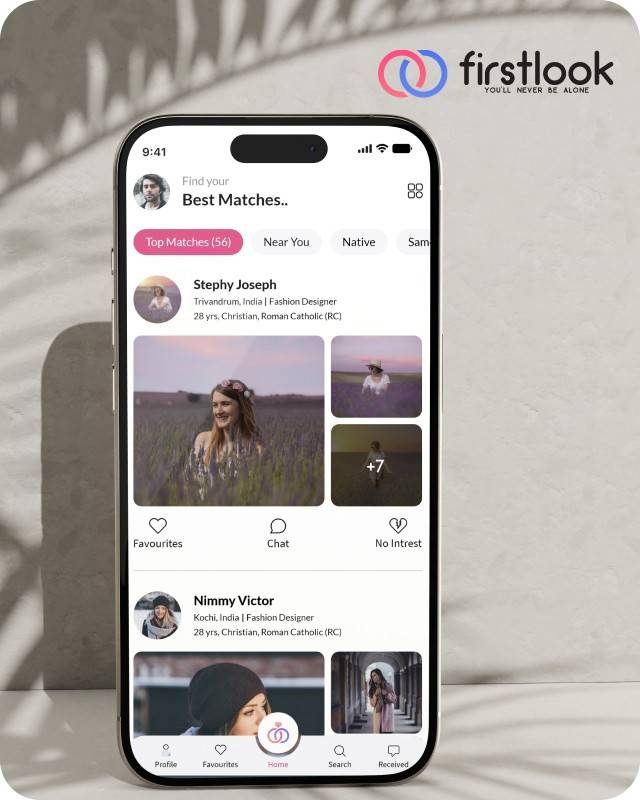
FirstLook Matrimony is a modern matchmaking app that helps you find your perfect life partner with personalized matches, easy chat options, and a secure platform built on trust.

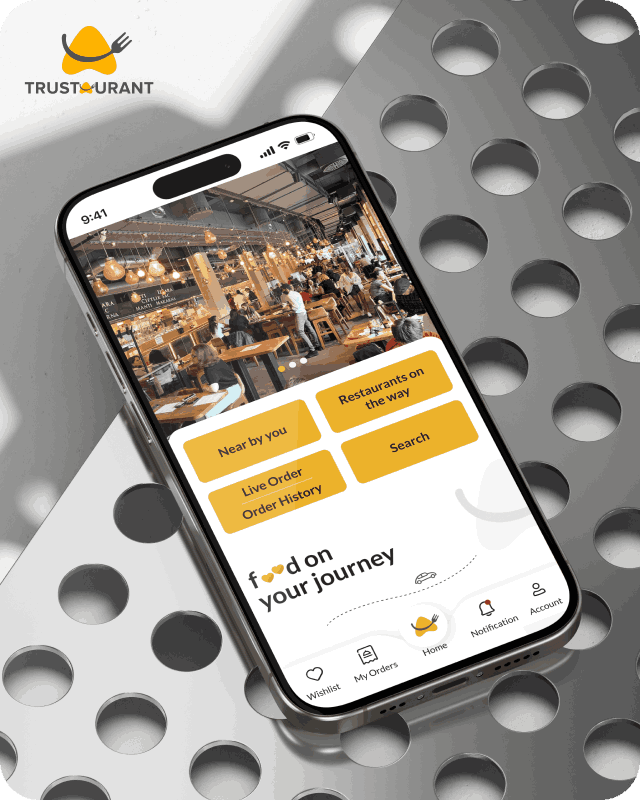
Trustaurant is a travel-friendly food app that helps you discover and order from trusted restaurants nearby or along your journey, all in real-time.
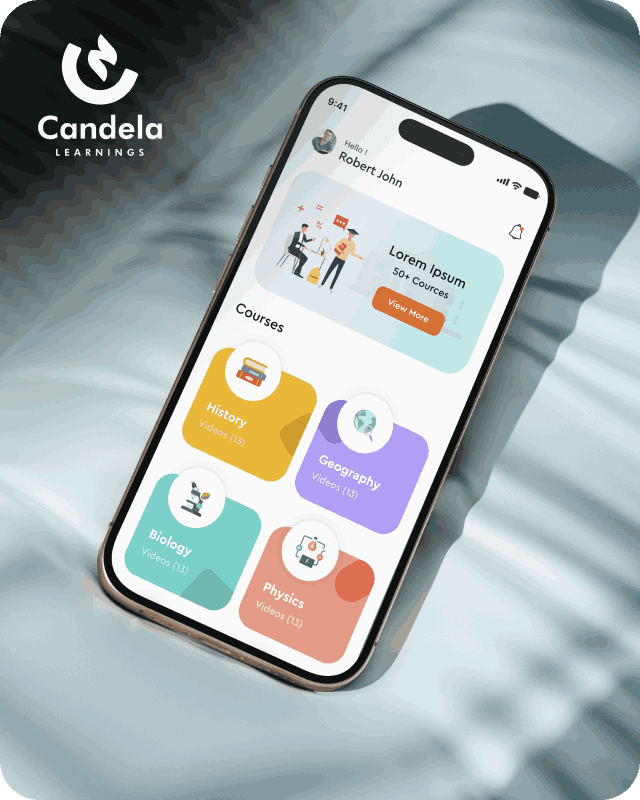
Candela Learnings is an engaging educational app offering interactive video courses in subjects like History, Geography, Biology, and Physics—all in one place.
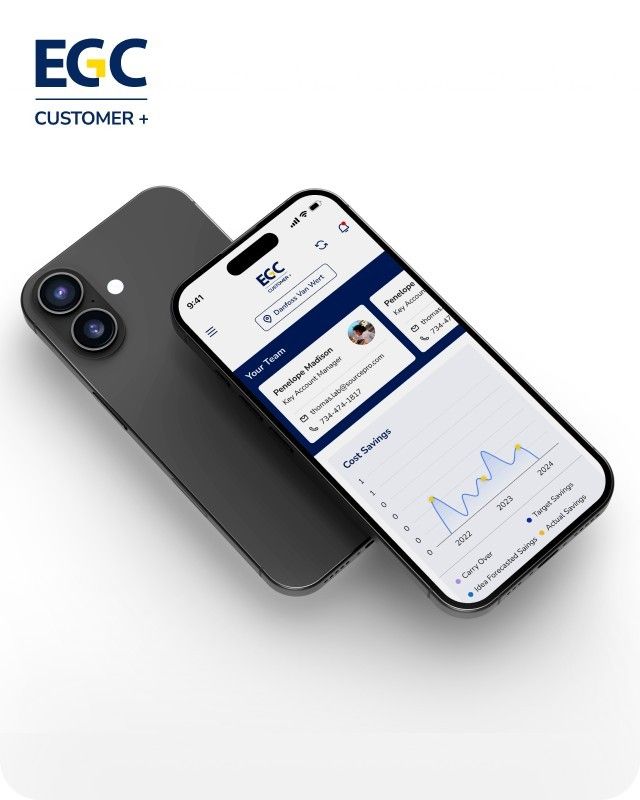
EGC Customer+ is a smart, user-friendly app designed to help you track cost savings, manage key contacts, and stay in control of your account performance—all in one place.
We are a team of highly dedicated mobile app developers that build cutting-edge mobile applications with the latest technologies.
View all WorksWe are a team of highly dedicated mobile app developers that build cutting-edge mobile applications with the latest technologies.
View more openings

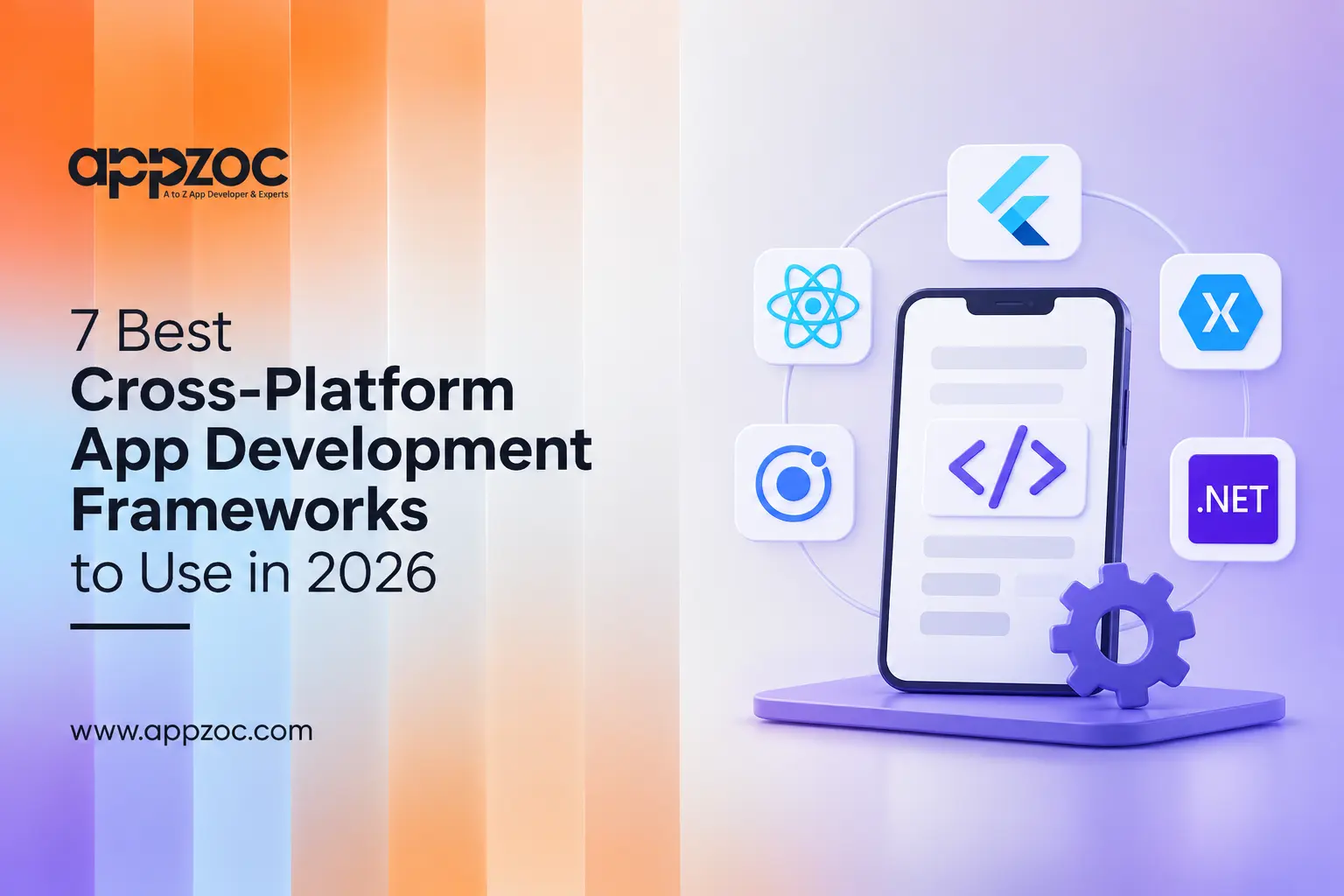
Imagine choosing a framework because its demo looked smooth. Eight months later, the only developer who knew it resigns, and your app development comes to a standstill.
A popularity ranking says nothing about your team or your budget. Each of the cross-platform mobile app development frameworks below allows developers to build Android and iOS apps using a single codebase. However, they differ in the programming languages they use and the companies that support them. Choosing the wrong framework can increase costs, as you may need to rebuild your app later. Projects often face two common challenges:
Uno Platform and NativeScript are also worth considering for specific project requirements.
Flutter app development uses Dart, so your team must either learn the language or hire developers who already know it. Flutter uses its own rendering engine to draw UI elements rather than relying on native UI components, helping maintain a consistent interface across both platforms. Hot reload allows developers to see code changes without restarting the entire application. Google Pay and Alibaba use it.
You write JavaScript, so a web development team can get started without learning an entirely new programming language. React Native uses React components that render through native platform components, helping developers build responsive mobile interfaces. Microsoft Office and Facebook use it. However, third-party library compatibility requires attention. Operating system updates can affect certain libraries or cross-platform features, and fixing these issues may depend on how actively those libraries are maintained. Skip it if nobody on your team knows JavaScript.
JetBrains developed Kotlin Multiplatform. It reached Stable status in November 2023, and Google announced official support for sharing business logic between Android and iOS at Google I/O 2024. You can share business logic between platforms while keeping the UI native, or use Compose Multiplatform to share the UI as well. Duolingo and Cash App use it. It is a relatively newer option compared with more established cross-platform frameworks. Choose it when your Android app development team already writes Kotlin.
Microsoft released .NET MAUI in May 2022 as the evolution of Xamarin.Forms. You write C# and XAML, and a single project can target Android, iOS, macOS and Windows. It is a relatively recent framework, backed by Microsoft’s .NET ecosystem. It also has developer support through Stack Overflow and Microsoft Q&A. Choose it when your developers already work with .NET.
Ionic was introduced in 2013. You build apps using HTML, CSS and JavaScript, along with frameworks such as Angular, React or Vue. The app runs inside a WebView within a native application shell, making it a popular approach to hybrid app development. Capacitor or Cordova plugins provide access to native device features such as the camera and GPS. T-Mobile and BBC apps use Ionic.
Uno Platform uses C# and XAML with WinUI-compatible APIs to support Android, iOS, WebAssembly, macOS, Linux and Windows. It is particularly useful for enterprise and business applications, especially for teams already working with .NET technologies. Skip it if your team does not use .NET.
NativeScript was launched in 2014. You can write JavaScript or TypeScript and use frameworks such as Angular or Vue. It renders native UI components without relying on WebViews. Before choosing it, check the availability of plugins, community support and compatibility with your project requirements.
How to Shortlist Before You Prototype
Before comparing cross-platform app development frameworks, consider the following factors:
Choosing a framework affects your hiring plans and maintenance costs for years. Build a two-week prototype of the most challenging screen using your top two choices before making a final decision. Use the prototype to evaluate your team’s technical capabilities as well. If your developers cannot troubleshoot and fix issues independently, the framework may not be the right choice.
Also Read: Best AI Tools for Mobile App Developers in 2026
Share your app idea and technical requirements with Appzoc to understand which framework best suits your project. Request a free consultation by emailing info@appzoc.com and discuss the right approach for your mobile app development project.