
Flutter
Make the most of this cutting-edge technology by developing apps quickly! Our Flutter solutions have amazing features that can be used to create sleek, high-performance apps that can scale seamlessly across platforms.



We aim to build applications that excel in all aspects. We consider customer satisfaction as the best award we could receive. In that journey, we have been recognized multiple times for the exceptional products we deliver.
Faster work process

Customer Review on Google
Successful projects accross the world
We are a team of highly dedicated mobile app developers that build cutting-edge mobile applications with the latest technologies.
About us
We cater to dedicated and tailored app development to help companies expand and achieve new heights. We deliver great features focusing on the latest technological advancement.

Our expertise in hybrid application development in Kerala, comes by integrating our agile methodology. We are the leading experts in hybrid application development.

Our rank booster packages reap maximum results for ranking mobile apps higher in the highly competitive niche. We get ahead with a proper ASO strategy crafted under our years of ASO experience.

Our landing page creation in a faster mode connects seamlessly with popular marketing platforms. We build efficient landing pages that crush your revenue goals.
We are a team of highly dedicated mobile app developers that build cutting-edge mobile applications with the latest technologies.
View all Services
Make the most of this cutting-edge technology by developing apps quickly! Our Flutter solutions have amazing features that can be used to create sleek, high-performance apps that can scale seamlessly across platforms.

Explore the endless possibilities of mobile app development with our Figma services. Design compelling apps and refine your tech skills, all while leveraging cutting-edge tools to make a meaningful impact in the industry. Appzoc ensures a seamless user experience.

From startups to enterprises, we specialize in creating Android app development services that drive growth. Our team at Appzoc focuses on developing apps that provide an outstanding experience across all Android devices and wearables.

Node.js, for its high scalability, simplifies the mobile application process and is widely used for real-time applications with many open-source libraries and frameworks. The server-side and client-side switches are easy with Node.js. Node.js developers can constantly publish new code making the app possible as and when needed.
We are a team of highly dedicated mobile app developers that build cutting-edge mobile applications with the latest technologies.
View all Technologies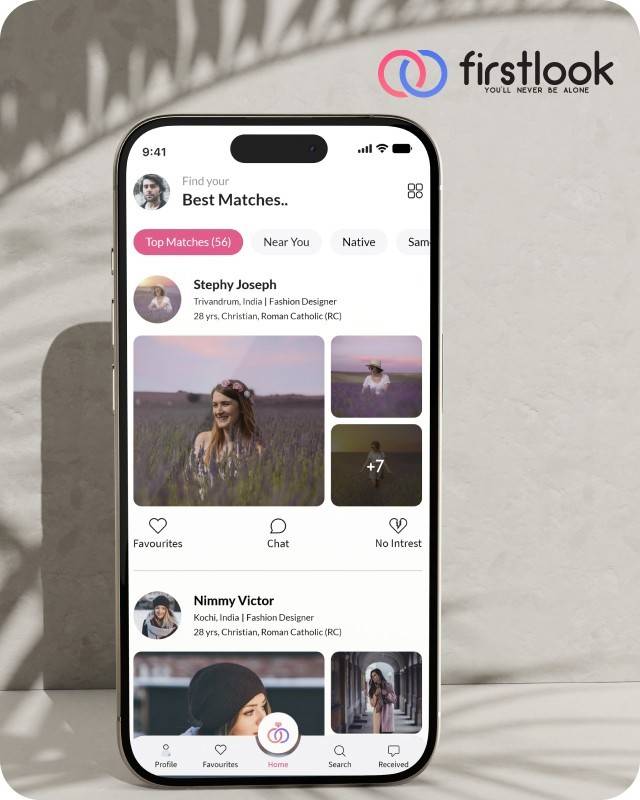
FirstLook Matrimony is a modern matchmaking app that helps you find your perfect life partner with personalized matches, easy chat options, and a secure platform built on trust.

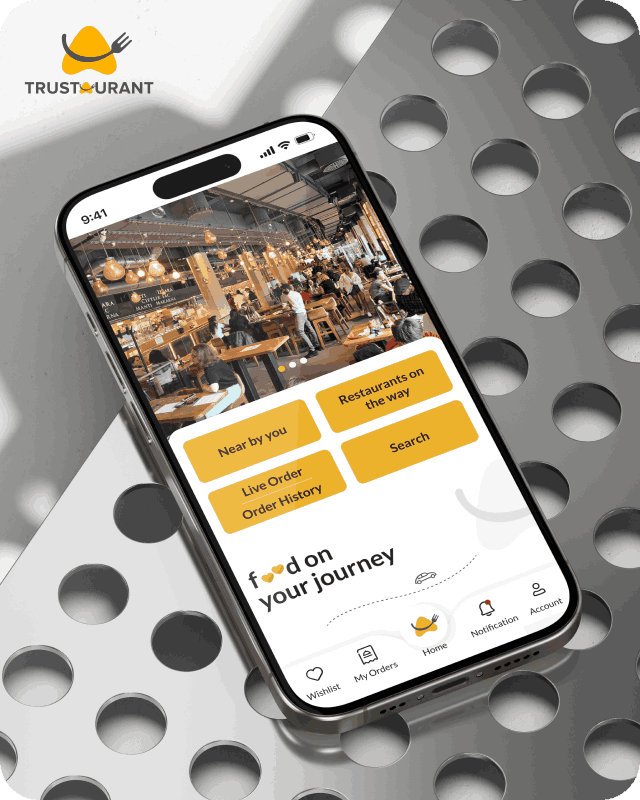
Trustaurant is a travel-friendly food app that helps you discover and order from trusted restaurants nearby or along your journey, all in real-time.
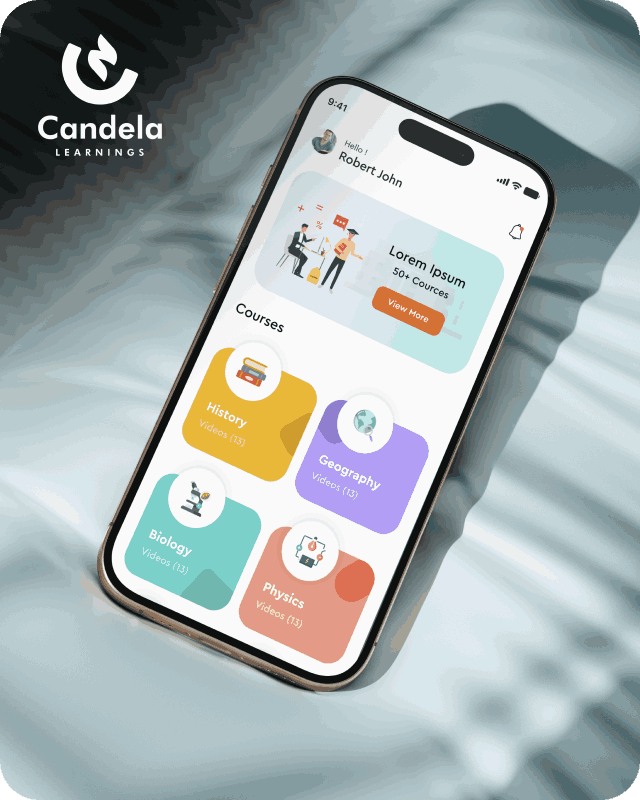
Candela Learnings is an engaging educational app offering interactive video courses in subjects like History, Geography, Biology, and Physics—all in one place.
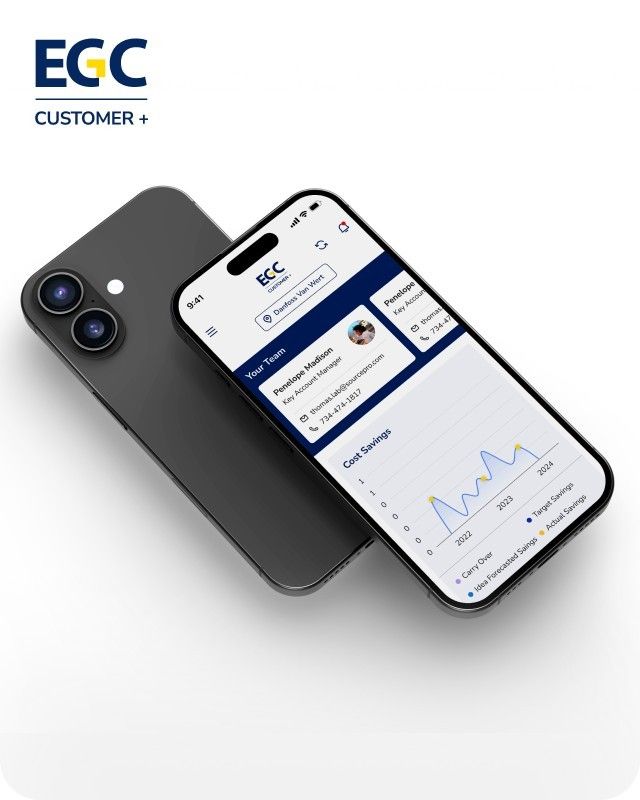
EGC Customer+ is a smart, user-friendly app designed to help you track cost savings, manage key contacts, and stay in control of your account performance—all in one place.
We are a team of highly dedicated mobile app developers that build cutting-edge mobile applications with the latest technologies.
View all WorksWe are a team of highly dedicated mobile app developers that build cutting-edge mobile applications with the latest technologies.
View more openings

Most people picture mobile app development as a straight, glamorous line from idea to launch.
But anyone who has lived through a real project knows the truth: the app development process is full of quiet, messy stages that never make it onto pitch decks—but completely shape whether your app succeeds or stalls.
This post walks through those “hidden” stages in the mobile app lifecycle, and how a thoughtful approach from app design to deployment can save you time, money, and stress—especially when you have an experienced partner like app developers Kochi at Appzoc on your side.
Slide decks show a clean 5–7 step flow. In reality, mobile app development is a loop with ongoing discovery, feasibility checks, analytics planning, rollout, and post-launch fixes.
Seeing the app’s life this way helps you:
Many teams rush from idea to UI screens. A strong app development process starts with a slower but smarter step: discovery.
What actually happens here:
Done well, this stage quietly eliminates a lot of rework later and keeps the entire app design to deployment journey grounded in real priorities.
Before visual design or full coding, a mature team pauses to ask: “Can we actually build this in a way that scales and stays secure?”
This often includes:
These choices decide if your app works well for real users.
Designing beautiful screens is easy. Designing flows people actually understand is harder.
A smart app development process quietly builds in UX validation:
This stage turns the mobile app lifecycle into a feedback loop: design → test → tweak → build, instead of “design once, regret later.”
Many teams wire up analytics as an afterthought. That usually leads to guesswork after launch.
The “hidden” work here:
This step makes sure that once you are past app design to deployment, you are not flying blind.
“Deployment” sounds like pushing a button. App store reality is more involved.
Often overlooked essentials:
If nobody owns this stage, a finished app can sit in review limbo for days or weeks.
After release, the real test begins. A strong team treats this as a formal stage, not an afterthought.
What happens here:
Handled well, this stage can turn a “good” launch into a truly healthy start to your app’s life.
Across projects, some patterns keep reappearing:
Recognising these early makes it easier to plan, negotiate timelines, and choose better approaches.
It’s a lot to manage, and that’s normal. Hidden stages demand experience, not just code.
Partnering with experienced app developers in Kochi, like Appzoc, can help you:
Kochi-based Appzoc offers years of mobile app experience from concept to optimisation.
Instead of just shipping an app once, we aim to build products that keep improving through every stage of their life.
The real risk in app projects lies in the hidden stages: discovery, feasibility, UX tests, analytics, store prep, and post-launch fixes. Teams with a structured process build stable, user-friendly apps that adapt quickly. Planning a new app or update?
Share your ideas with our app developers in Kochi at Appzoc and turn your app journey from design to launch into a smooth, clear process.
Start your app journey right—talk to our Kochi app developers at Appzoc today and turn your idea into a successful, user-ready app.