Flutter
Make the most of this cutting-edge technology by developing apps quickly! Our Flutter solutions have amazing features that can be used to create sleek, high-performance apps that can scale seamlessly across platforms.



We aim to build applications that excel in all aspects. We consider customer satisfaction as the best award we could receive. In that journey, we have been recognized multiple times for the exceptional products we deliver.
Faster work process

Customer Review on Google
Successful projects accross the world
We are a team of highly dedicated mobile app developers that build cutting-edge mobile applications with the latest technologies.
About us
We cater to dedicated and tailored app development to help companies expand and achieve new heights. We deliver great features focusing on the latest technological advancement.

Our expertise in hybrid application development in Kerala, comes by integrating our agile methodology. We are the leading experts in hybrid application development.

Our rank booster packages reap maximum results for ranking mobile apps higher in the highly competitive niche. We get ahead with a proper ASO strategy crafted under our years of ASO experience.

Our landing page creation in a faster mode connects seamlessly with popular marketing platforms. We build efficient landing pages that crush your revenue goals.
We are a team of highly dedicated mobile app developers that build cutting-edge mobile applications with the latest technologies.
View all Services
Make the most of this cutting-edge technology by developing apps quickly! Our Flutter solutions have amazing features that can be used to create sleek, high-performance apps that can scale seamlessly across platforms.

Explore the endless possibilities of mobile app development with our Figma services. Design compelling apps and refine your tech skills, all while leveraging cutting-edge tools to make a meaningful impact in the industry. Appzoc ensures a seamless user experience.

From startups to enterprises, we specialize in creating Android app development services that drive growth. Our team at Appzoc focuses on developing apps that provide an outstanding experience across all Android devices and wearables.

Node.js, for its high scalability, simplifies the mobile application process and is widely used for real-time applications with many open-source libraries and frameworks. The server-side and client-side switches are easy with Node.js. Node.js developers can constantly publish new code making the app possible as and when needed.
We are a team of highly dedicated mobile app developers that build cutting-edge mobile applications with the latest technologies.
View all Technologies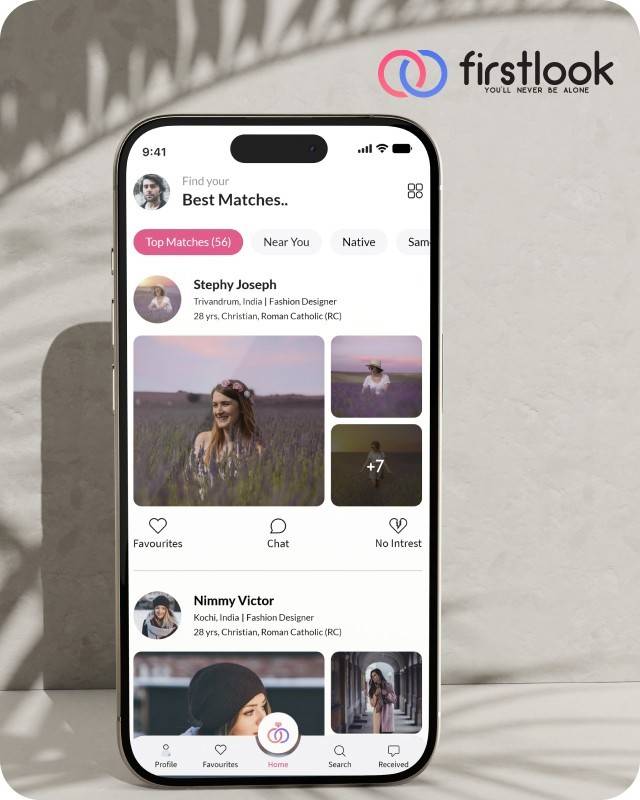
FirstLook Matrimony is a modern matchmaking app that helps you find your perfect life partner with personalized matches, easy chat options, and a secure platform built on trust.

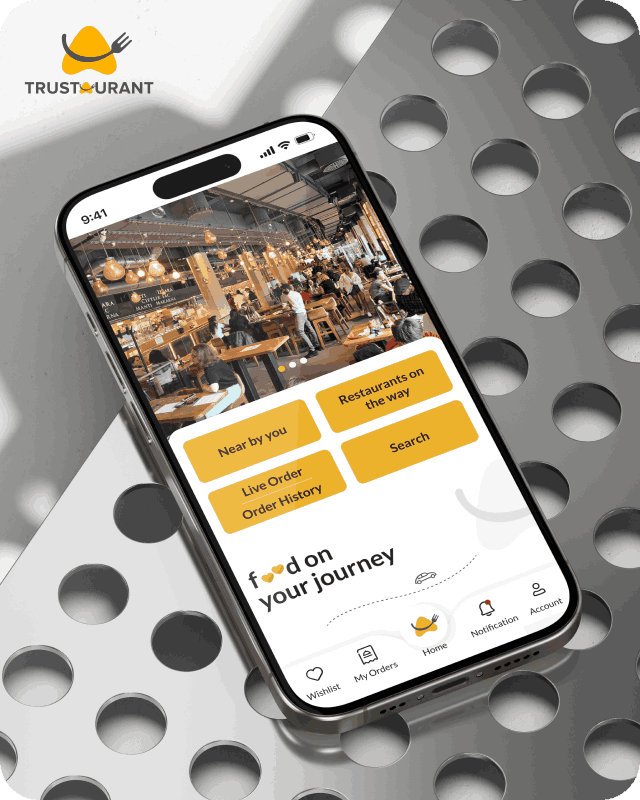
Trustaurant is a travel-friendly food app that helps you discover and order from trusted restaurants nearby or along your journey, all in real-time.
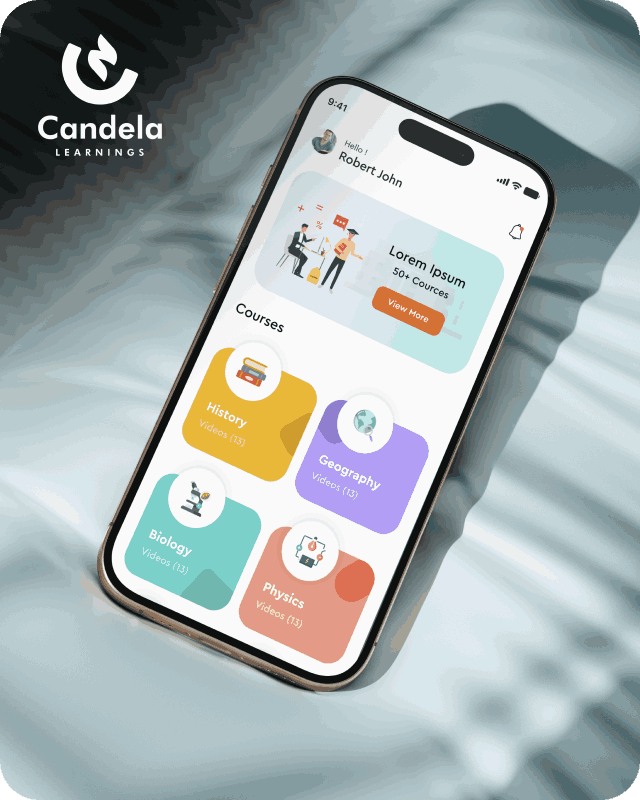
Candela Learnings is an engaging educational app offering interactive video courses in subjects like History, Geography, Biology, and Physics—all in one place.
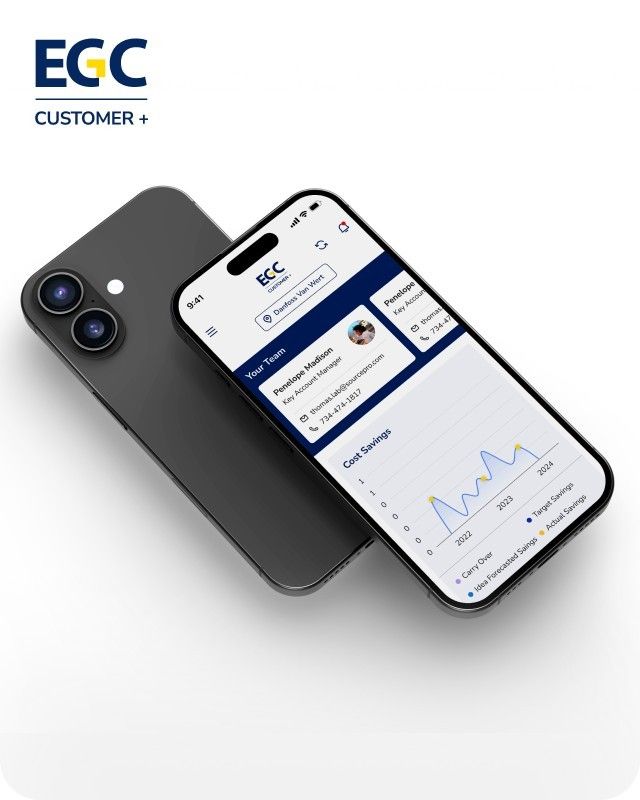
EGC Customer+ is a smart, user-friendly app designed to help you track cost savings, manage key contacts, and stay in control of your account performance—all in one place.
We are a team of highly dedicated mobile app developers that build cutting-edge mobile applications with the latest technologies.
View all WorksWe are a team of highly dedicated mobile app developers that build cutting-edge mobile applications with the latest technologies.
View more openings

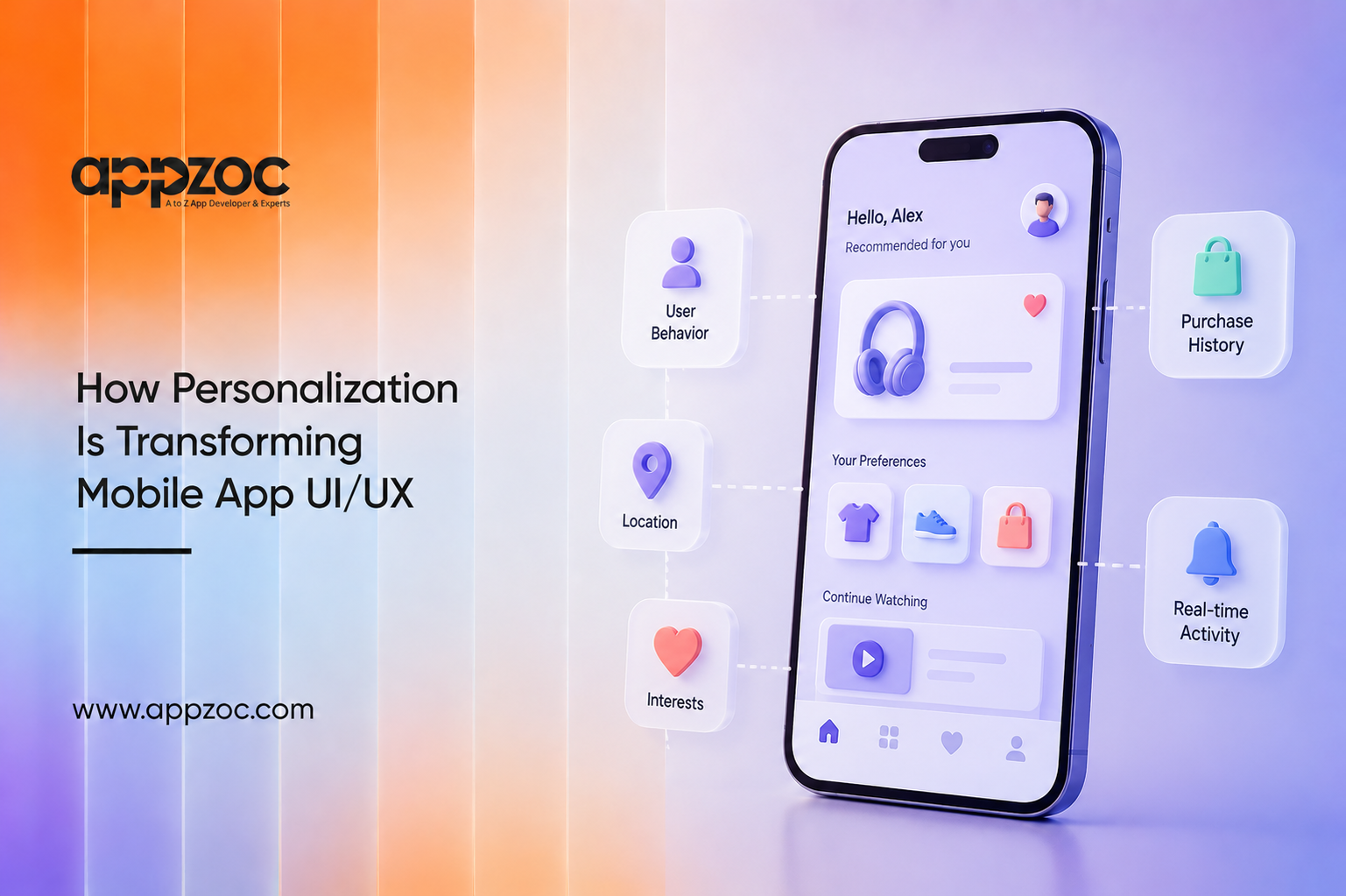
The future of mobile UX is creating experiences that can adapt to different users. Apps are no longer static tools that show the same screen to everyone. They are learning systems that change based on who is using them, how they behave, and what they need at that moment. This shift is changing how designers and developers think about mobile app UI/UX from the ground up.
People now expect apps to understand them. When someone opens a shopping app, they want to see products they actually care about, not a random list. When someone opens a fitness app, they want a plan built around their own goals, not a generic template.
Personalization matters because it removes friction. Users do not have to search, filter, or scroll through content that does not apply to them. This saves time and makes the app feel easier to use. It also builds trust. When an app “gets” a user, that user is more likely to stay engaged, come back often, and recommend the app to others.
For businesses, this translates directly into results. Higher engagement, better retention, and stronger conversion rates all follow when the app experience feels tailored rather than generic.
Personalization touches almost every part of the app experience today. Here is how it is showing up across modern mobile design.
The home screen is often the first thing a user sees, so it carries a lot of weight. Instead of one fixed layout for every user, apps now build home screens based on past behavior, preferences, and usage patterns. A music app might show playlists based on recent listening habits. A food delivery app might show restaurants a user orders from often. This makes the home screen feel relevant from the very first tap.
Navigation is also becoming smarter. Instead of a fixed menu that stays the same for everyone, apps can rearrange tabs, shortcuts, or menu items based on what a user does most. Frequently used features move closer to the surface, while rarely used ones move further away. This reduces the number of taps needed to complete common tasks.
Recommendation engines have become a core part of mobile UX. Streaming apps suggest shows based on viewing history. E-commerce apps suggest products based on browsing and purchase patterns. News apps prioritize stories based on reading habits. This content layer keeps users engaged because they are constantly shown things that match their interests.
The first few minutes with an app shape whether a user sticks around. Personalized onboarding asks a few quick questions or observes early actions, then adjusts the setup flow accordingly. A language learning app might skip beginner lessons for someone who tests into an intermediate level. A finance app might highlight budgeting tools for one user and investment tools for another. This makes onboarding feel less like a checklist and more like a conversation.
Context-aware design goes beyond user preferences and looks at the situation someone is in right now. This includes location, time of day, device type, network speed, and even weather. A ride-hailing app might suggest a saved home address in the evening. A retail app might switch to a lighter interface on a slow connection. This kind of awareness makes the app feel responsive to real life, not just to stored data.
Predictive UX uses patterns in user behavior to guess what someone is likely to do next. This could mean pre-loading a screen a user usually visits after login, or surfacing a quick action button based on habits, like reordering a regular grocery list. When done well, predictive UX feels almost invisible. The app simply seems to know what the user wants before they ask for it.
Generic, one-size-fits-all notifications are one of the fastest ways to lose a user’s attention. Personalized notifications are timed and worded based on individual behavior. Instead of sending the same alert to every user at the same time, apps now send messages based on when a person is most likely to engage, what they care about, and how often they want to hear from the app. This leads to higher open rates and fewer people turning notifications off completely.
Chatbots and voice assistants inside apps have moved past scripted responses. AI-powered conversational tools can now understand context, remember previous interactions, and give answers suited to the individual user. Whether it is a support chatbot resolving an order issue or a voice assistant setting a reminder, these tools make the app experience feel more like a two-way conversation than a static tool.
One of the newest developments is generative UI, where parts of the interface are built or rearranged in real time based on the user and their goals. Instead of a fixed layout designed once for everyone, the interface itself adapts, showing different components, layouts, or content blocks depending on the person using the app. This is still an emerging area, but it points toward a future where UI design is less about one fixed version and more about flexible building blocks that adjust on their own.
The shift toward personalization brings real, measurable benefits for both users and businesses.
Building this level of personalization takes more than good intentions. It takes a team that understands both design and engineering. Working with an experienced UI/UX design company in Kerala can help businesses map out how personalization should look and feel before a single line of code is written. On the development side, a skilled mobile app development company in Kochi like Appzoc brings the technical depth needed to turn that design into a working, scalable app. This kind of pairing, thoughtful design backed by solid development, is often what separates apps that feel personal from apps that just look personal.
Personalization is no longer a nice extra in mobile app design. It has become one of the main ways apps stand out in a crowded market. From personalized home screens and adaptive navigation to predictive UX and generative interfaces, every layer of the app experience is being shaped around the individual user.
As mobile technology keeps advancing, personalization will only get deeper and more precise. Apps that invest in understanding their users, and building experiences around that understanding, will be the ones that keep people engaged for the long run.