
Flutter
Make the most of this cutting-edge technology by developing apps quickly! Our Flutter solutions have amazing features that can be used to create sleek, high-performance apps that can scale seamlessly across platforms.



We aim to build applications that excel in all aspects. We consider customer satisfaction as the best award we could receive. In that journey, we have been recognized multiple times for the exceptional products we deliver.
Faster work process

Customer Review on Google
Successful projects accross the world
We are a team of highly dedicated mobile app developers that build cutting-edge mobile applications with the latest technologies.
About us
We cater to dedicated and tailored app development to help companies expand and achieve new heights. We deliver great features focusing on the latest technological advancement.

Our expertise in hybrid application development in Kerala, comes by integrating our agile methodology. We are the leading experts in hybrid application development.

Our rank booster packages reap maximum results for ranking mobile apps higher in the highly competitive niche. We get ahead with a proper ASO strategy crafted under our years of ASO experience.

Our landing page creation in a faster mode connects seamlessly with popular marketing platforms. We build efficient landing pages that crush your revenue goals.
We are a team of highly dedicated mobile app developers that build cutting-edge mobile applications with the latest technologies.
View all Services
Make the most of this cutting-edge technology by developing apps quickly! Our Flutter solutions have amazing features that can be used to create sleek, high-performance apps that can scale seamlessly across platforms.

Explore the endless possibilities of mobile app development with our Figma services. Design compelling apps and refine your tech skills, all while leveraging cutting-edge tools to make a meaningful impact in the industry. Appzoc ensures a seamless user experience.

From startups to enterprises, we specialize in creating Android app development services that drive growth. Our team at Appzoc focuses on developing apps that provide an outstanding experience across all Android devices and wearables.

Node.js, for its high scalability, simplifies the mobile application process and is widely used for real-time applications with many open-source libraries and frameworks. The server-side and client-side switches are easy with Node.js. Node.js developers can constantly publish new code making the app possible as and when needed.
We are a team of highly dedicated mobile app developers that build cutting-edge mobile applications with the latest technologies.
View all Technologies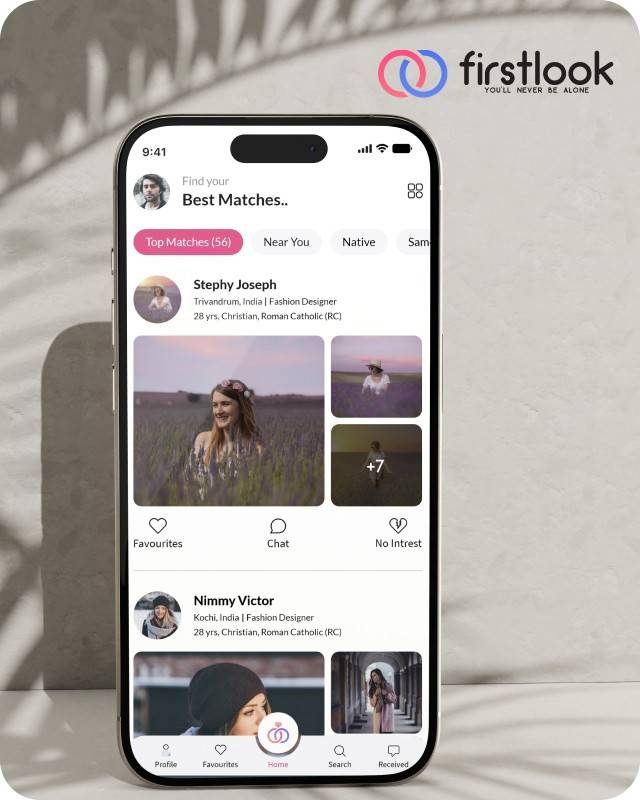
FirstLook Matrimony is a modern matchmaking app that helps you find your perfect life partner with personalized matches, easy chat options, and a secure platform built on trust.

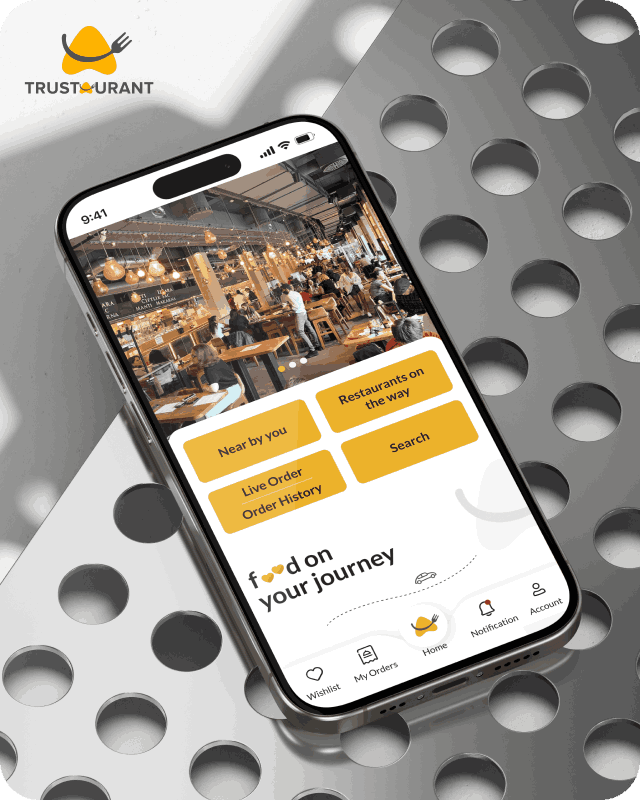
Trustaurant is a travel-friendly food app that helps you discover and order from trusted restaurants nearby or along your journey, all in real-time.
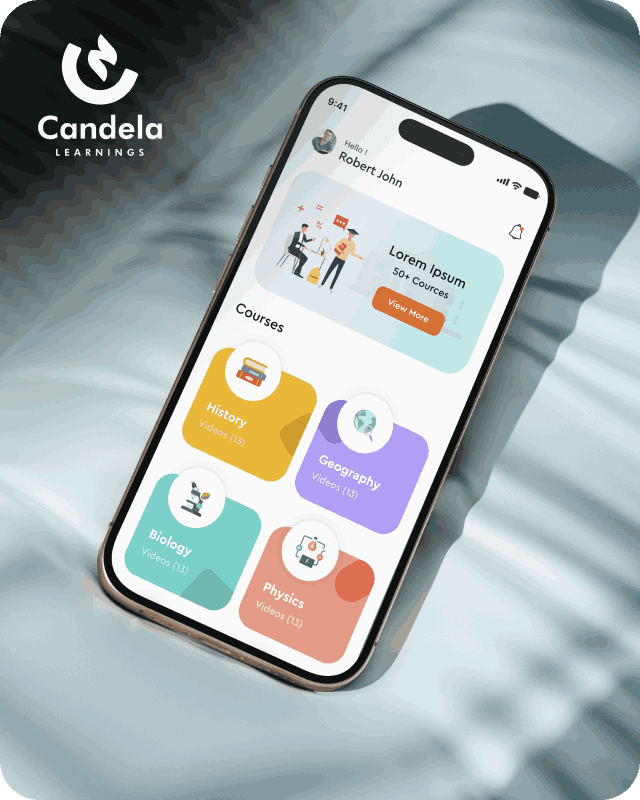
Candela Learnings is an engaging educational app offering interactive video courses in subjects like History, Geography, Biology, and Physics—all in one place.
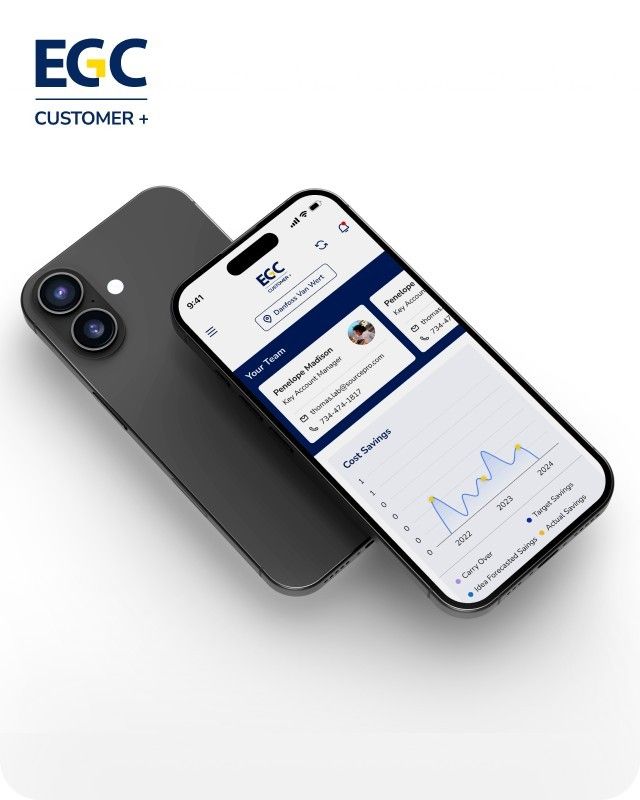
EGC Customer+ is a smart, user-friendly app designed to help you track cost savings, manage key contacts, and stay in control of your account performance—all in one place.
We are a team of highly dedicated mobile app developers that build cutting-edge mobile applications with the latest technologies.
View all WorksWe are a team of highly dedicated mobile app developers that build cutting-edge mobile applications with the latest technologies.
View more openings

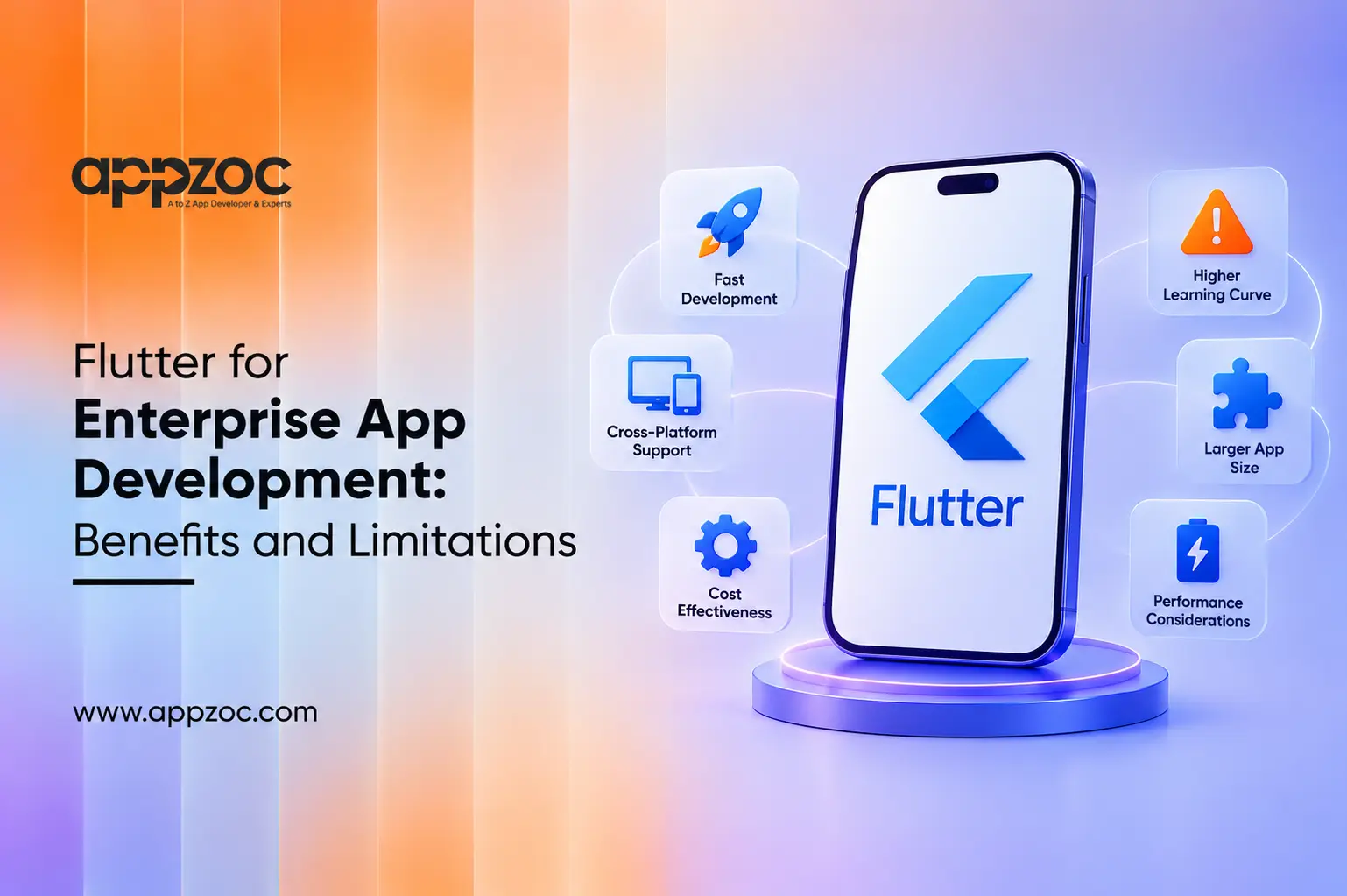
Flutter allows developers to build Android and iOS applications using a single Dart codebase. This can reduce development time and costs for enterprises, but the actual savings depend on the project requirements, the development team’s skills, third-party SDK support and security needs. This article examines where Flutter can reduce development effort and where its limitations may affect an enterprise project.
Real-world examples, including Google’s Google Pay case study, show how Flutter can help reduce duplicated development work. However, enterprises should also consider its technical limitations before choosing the framework.
Developing separate native applications for Android and iOS can increase the time and resources required for a project. Each platform may need its own development team, release planning and testing process.
Google Pay’s case study on Flutter’s official website explains that its original Android and iOS applications contained around 1.7 million lines of code. Features had to be developed separately for both platforms, and the team expected to need more iOS engineers as the app expanded into markets with a higher number of iOS users.
Native development can increase the workload in several areas:
Flutter offers one way to reduce this duplication by allowing developers to maintain a shared codebase for both platforms. Other cross-platform options include React Native and Kotlin Multiplatform. Each framework has its own strengths and technical considerations, so the right choice depends on the application.
Flutter offers several advantages for enterprises looking to develop and maintain applications across multiple platforms. Some of its key benefits include:
Single codebase: Developers can use one Dart codebase to build applications for Android and iOS, reducing the need to maintain separate implementations for every feature.
Compiled performance: In mobile release builds, Dart code is compiled to native machine code, helping Flutter applications deliver performance suitable for many business use cases.
Reduced code complexity: Google’s Google Pay case study reported that the rewritten application contained around 1.1 million lines of code, compared with 1.7 million in the original applications. This represented a reduction of approximately 35%, even as new features were added.
Faster feature development: The same case study reported that the time required to develop new features decreased from around one month to two weeks.
Gradual integration: Flutter can be added to an existing native application as a module. This allows enterprises to replace selected screens or features without rebuilding the entire application.
Although Flutter can reduce development effort, enterprises should understand its technical limitations before adopting it. Some challenges may affect development time, maintenance and long-term support.
Dart expertise: Flutter uses Dart, so teams familiar with Java, Kotlin, C# or JavaScript may need training before they can work effectively with the framework. Hiring developers with Flutter experience may also require additional planning.
Third-party SDK integration: When a required SDK does not provide a Dart package, developers may need to connect it through platform channels using Kotlin, Swift or C++. This work requires native app development knowledge and can add time to the project.
Code obfuscation and security: Flutter supports code obfuscation for release builds, which renames symbols to make reverse engineering more difficult. However, the official documentation explains that obfuscation does not encrypt resources or prevent reverse engineering. It is also not supported for Flutter web builds. Enterprises with strict security requirements should consider additional protections, security reviews and penetration testing rather than relying on obfuscation alone.
Operating system updates: Flutter uses its own rendering system instead of relying entirely on native platform widgets. As a result, support for new operating system features may depend on updates to Flutter and its packages. For example, Flutter 3.38, released in November 2025, included support for iOS 26. This means enterprises should check framework and package compatibility when planning support for new OS versions.
Package maintenance: Flutter provides many features through packages, including camera and WebView functionality. Each third-party package introduces a dependency that needs to be reviewed, updated and maintained. If a package is no longer maintained, the development team may need to find an alternative or build the required functionality themselves.
Flutter and native development have different strengths. The following table compares some important factors enterprises should consider before selecting an approach.
| Factor | Flutter | Native Development |
|---|---|---|
| Codebase | One shared Dart codebase for supported platforms. | Separate Kotlin and Swift codebases. |
| UI | Uses Flutter’s own widget system. | Uses native platform UI components. |
| New OS features | Support may depend on Flutter releases and packages. | Available through the platform SDK. |
| Device SDKs | Uses platform channels or available packages. | Allows direct access through platform APIs. |
| Development team | Dart developers, with native skills for certain integrations. | Separate platform specialists may be required. |
| Maintenance | A shared codebase can simplify maintenance. | Separate platform codebases need to be maintained. |
| Performance | Suitable for many enterprise applications. | Offers direct access to platform-specific capabilities. |
Neither approach is the right choice for every enterprise application. Flutter can be a good option when most of the work involves common screens, business logic and workflows across Android and iOS. Native development may be more suitable when an application depends heavily on device hardware, platform-specific features or newly introduced operating system capabilities.
Before making a final decision, businesses can test Flutter with a small pilot project. Choose one of the most technically challenging screens, such as single sign-on or offline data synchronisation, and build it using the actual project requirements. This will help the team identify integration challenges and estimate the time needed for native development work.
The same evaluation applies when selecting a development partner in any location. Whether you are considering Flutter app development in Bangalore or another city, ask the development team to include the time and cost of native integrations in its estimate. A team with previous experience in similar integrations can provide a more realistic assessment of the work involved.
Appzoc is an app development company based in India, offering Flutter development and enterprise application development services, including CRM and ERP integrations.
Share your most challenging screen, the required integrations and the operating system versions you plan to support with info@appzoc.com to request an estimate for a one-week Flutter pilot.