Flutter
Make the most of this cutting-edge technology by developing apps quickly! Our Flutter solutions have amazing features that can be used to create sleek, high-performance apps that can scale seamlessly across platforms.



We aim to build applications that excel in all aspects. We consider customer satisfaction as the best award we could receive. In that journey, we have been recognized multiple times for the exceptional products we deliver.
Faster work process

Customer Review on Google
Successful projects accross the world
We are a team of highly dedicated mobile app developers that build cutting-edge mobile applications with the latest technologies.
About us
We cater to dedicated and tailored app development to help companies expand and achieve new heights. We deliver great features focusing on the latest technological advancement.

Our expertise in hybrid application development in Kerala, comes by integrating our agile methodology. We are the leading experts in hybrid application development.

Our rank booster packages reap maximum results for ranking mobile apps higher in the highly competitive niche. We get ahead with a proper ASO strategy crafted under our years of ASO experience.

Our landing page creation in a faster mode connects seamlessly with popular marketing platforms. We build efficient landing pages that crush your revenue goals.
We are a team of highly dedicated mobile app developers that build cutting-edge mobile applications with the latest technologies.
View all Services
Make the most of this cutting-edge technology by developing apps quickly! Our Flutter solutions have amazing features that can be used to create sleek, high-performance apps that can scale seamlessly across platforms.

Explore the endless possibilities of mobile app development with our Figma services. Design compelling apps and refine your tech skills, all while leveraging cutting-edge tools to make a meaningful impact in the industry. Appzoc ensures a seamless user experience.

From startups to enterprises, we specialize in creating Android app development services that drive growth. Our team at Appzoc focuses on developing apps that provide an outstanding experience across all Android devices and wearables.
Node.js, for its high scalability, simplifies the mobile application process and is widely used for real-time applications with many open-source libraries and frameworks. The server-side and client-side switches are easy with Node.js. Node.js developers can constantly publish new code making the app possible as and when needed.
We are a team of highly dedicated mobile app developers that build cutting-edge mobile applications with the latest technologies.
View all Technologies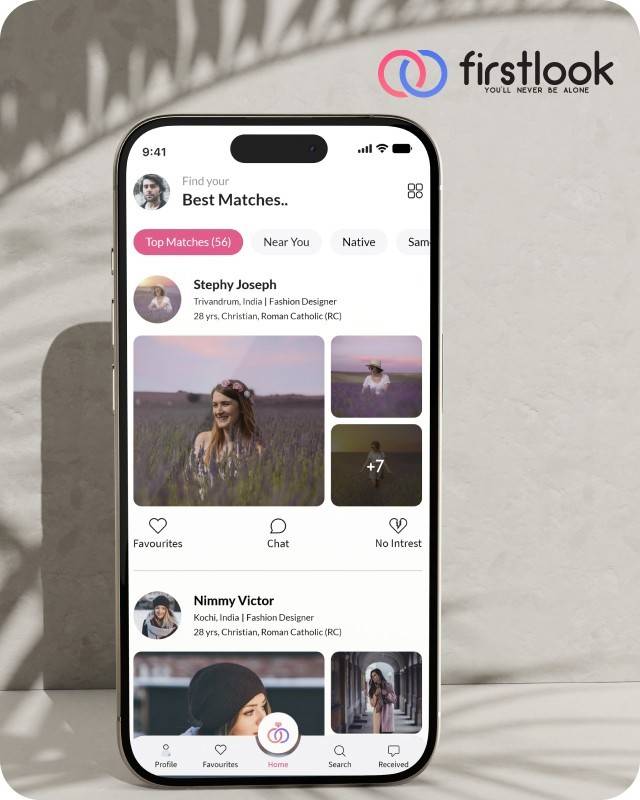
FirstLook Matrimony is a modern matchmaking app that helps you find your perfect life partner with personalized matches, easy chat options, and a secure platform built on trust.

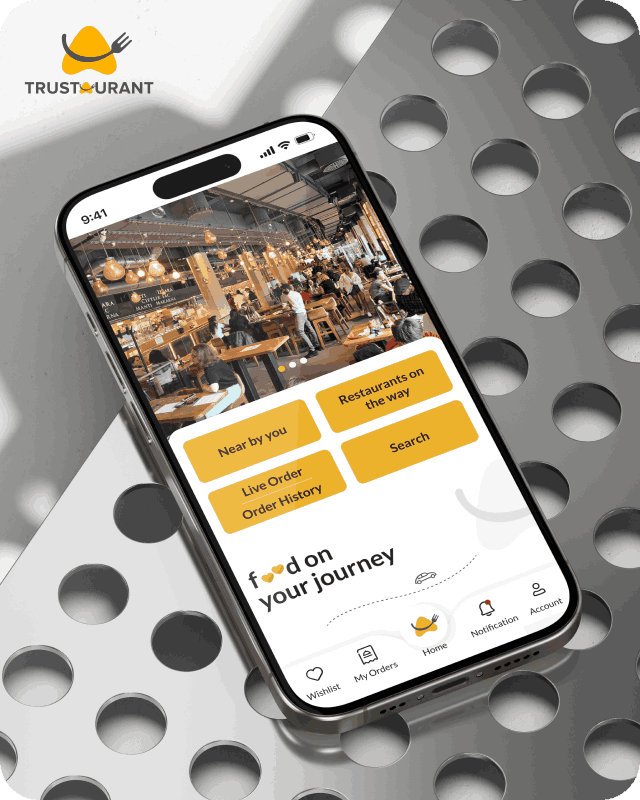
Trustaurant is a travel-friendly food app that helps you discover and order from trusted restaurants nearby or along your journey, all in real-time.
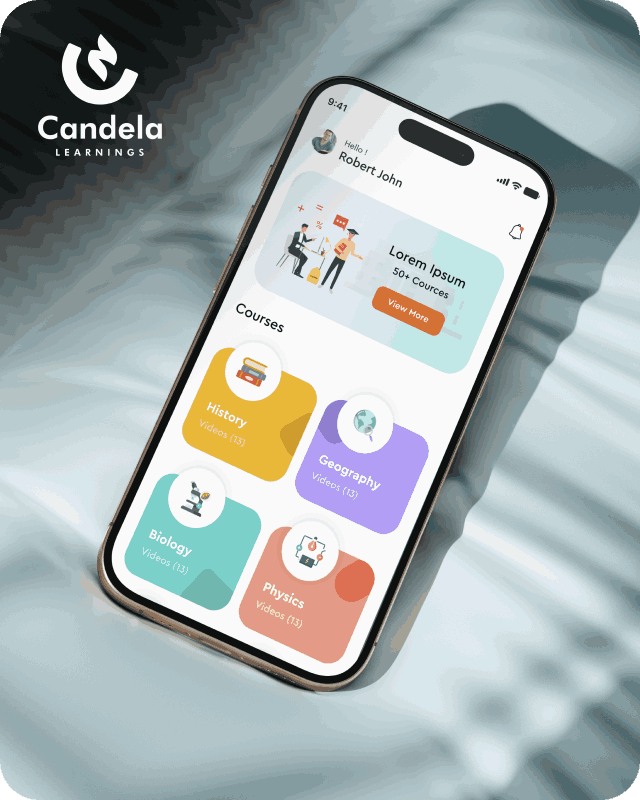
Candela Learnings is an engaging educational app offering interactive video courses in subjects like History, Geography, Biology, and Physics—all in one place.
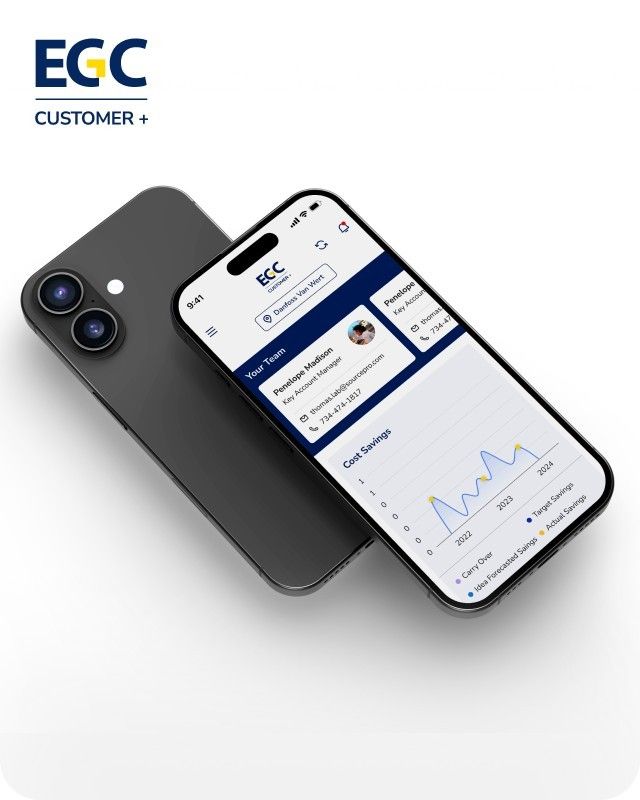
EGC Customer+ is a smart, user-friendly app designed to help you track cost savings, manage key contacts, and stay in control of your account performance—all in one place.
We are a team of highly dedicated mobile app developers that build cutting-edge mobile applications with the latest technologies.
View all WorksWe are a team of highly dedicated mobile app developers that build cutting-edge mobile applications with the latest technologies.
View more openings

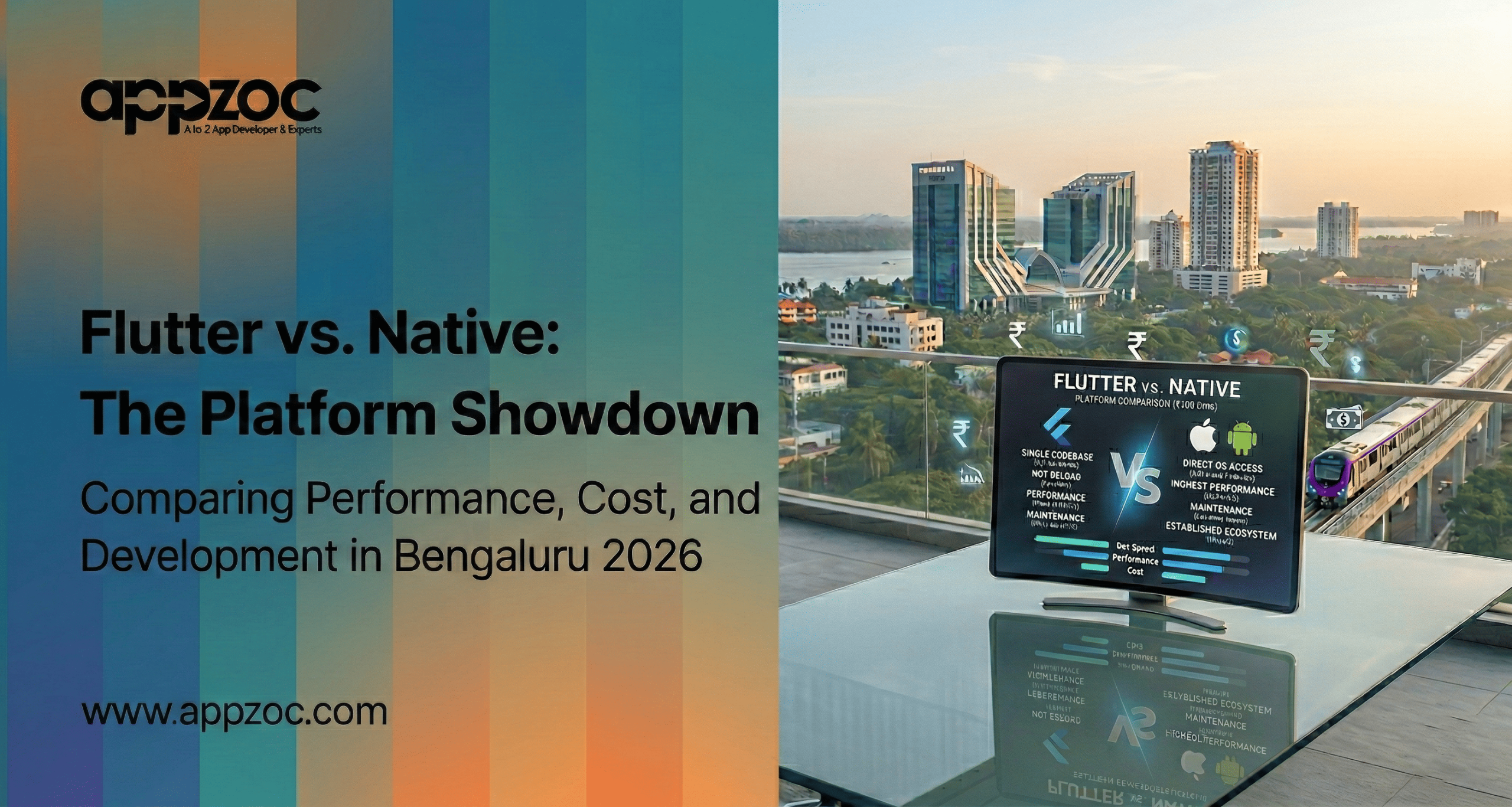
By 2026, mobile strategy in India has changed shape. The old “Android team vs. iOS team” debate has given way to a more practical question: how do we ship faster, maintain less code, and still keep performance under control? That’s where the Flutter vs Native apps 2026 discussion has become very real for large enterprises.
Decision-makers focus on risk, cost, and timelines—not coding languages.
Native apps mean:
Flutter, however:
In 2026, many Indian enterprises see native as the “special forces” option and Flutter as the “everyday army” that handles most of the work.
Large organisations rarely run just one app. A typical portfolio might include:
Maintaining each of these in two native stacks leads to duplicated effort and double the bug surface. A single codebase simplifies:
Every change is written once, reviewed once, and deployed everywhere.
Most Indian industries now compete on speed. A feature that takes six months to ship is often already late.
Flutter improves time-to-market because:
For a product head, this means you can run more experiments in the same year without hiring two extra teams.
Flutter’s Skia engine treats the screen like a blank canvas and paints everything itself. That gives:
For corporate apps displaying lists, forms, charts, and content, this is usually more than enough.
Concerns about performance overhead are mostly about edge cases:
Platform channels are the bridge from Flutter to native APIs. Used thoughtfully, they’re fine. Overused, they can slow things down and complicate debugging. Good architecture keeps that boundary narrow and predictable.
So, if you’re building a high-end 3D experience or pushing hardware to its limits, native can still be the right call. For the typical enterprise application, Flutter’s overhead is acceptable in exchange for the productivity gains.
The real cost of a mobile product shows up in the years after launch:
With native codebases, every change must be built and tested twice:
This is where maintenance costs can drop significantly, especially for enterprises that think in 3–5 year timelines rather than single launches.
India’s developer ecosystem, especially in Bangalore, favours Flutter. A strong flutter app development company in Bangalore typically has:
For an app development company Bangalore, Flutter is now standard tooling. That makes it easier for enterprises to find partners and build teams without months of hunting for scarce skill sets.
Once companies start using Flutter, they often discover overlaps across products:
Flutter allows them to extract these into shared modules and roll improvements out everywhere. That means:
When leadership wants to test something—say, a new rewards programme or a field-sales app—Flutter is handy for building a serious, but lean, version first:
This approach reduces risk while enabling faster decisions.
Flutter isn’t the solution for every project. Native remains useful when:
Many enterprises use a hybrid approach: Flutter for most apps, native only when necessary.
Technology is only part of the decision. Execution matters more.
A capable Flutter app development company in Bangalore can:
This is where a focused partner like Appzoc becomes useful. They understand tech and business.
Appzoc works with enterprises that need clear reasoning, not hype. Their approach is to:
You get a mix of strategy, design, and engineering, rather than just “framework specialists”. This makes the Flutter vs Native decision easier to defend.
In 2026, the takeaway is simple:
For many large Indian enterprises, cross-platform is the default, and native is used only when needed.
Planning your next mobile roadmap?
Talk to Appzoc about a cross-platform strategy built around your business goals.