Flutter
Make the most of this cutting-edge technology by developing apps quickly! Our Flutter solutions have amazing features that can be used to create sleek, high-performance apps that can scale seamlessly across platforms.



We aim to build applications that excel in all aspects. We consider customer satisfaction as the best award we could receive. In that journey, we have been recognized multiple times for the exceptional products we deliver.
Faster work process

Customer Review on Google
Successful projects accross the world
We are a team of highly dedicated mobile app developers that build cutting-edge mobile applications with the latest technologies.
About us
We cater to dedicated and tailored app development to help companies expand and achieve new heights. We deliver great features focusing on the latest technological advancement.

Our expertise in hybrid application development in Kerala, comes by integrating our agile methodology. We are the leading experts in hybrid application development.

Our rank booster packages reap maximum results for ranking mobile apps higher in the highly competitive niche. We get ahead with a proper ASO strategy crafted under our years of ASO experience.

Our landing page creation in a faster mode connects seamlessly with popular marketing platforms. We build efficient landing pages that crush your revenue goals.
We are a team of highly dedicated mobile app developers that build cutting-edge mobile applications with the latest technologies.
View all Services
Make the most of this cutting-edge technology by developing apps quickly! Our Flutter solutions have amazing features that can be used to create sleek, high-performance apps that can scale seamlessly across platforms.

Explore the endless possibilities of mobile app development with our Figma services. Design compelling apps and refine your tech skills, all while leveraging cutting-edge tools to make a meaningful impact in the industry. Appzoc ensures a seamless user experience.

From startups to enterprises, we specialize in creating Android app development services that drive growth. Our team at Appzoc focuses on developing apps that provide an outstanding experience across all Android devices and wearables.
Node.js, for its high scalability, simplifies the mobile application process and is widely used for real-time applications with many open-source libraries and frameworks. The server-side and client-side switches are easy with Node.js. Node.js developers can constantly publish new code making the app possible as and when needed.
We are a team of highly dedicated mobile app developers that build cutting-edge mobile applications with the latest technologies.
View all Technologies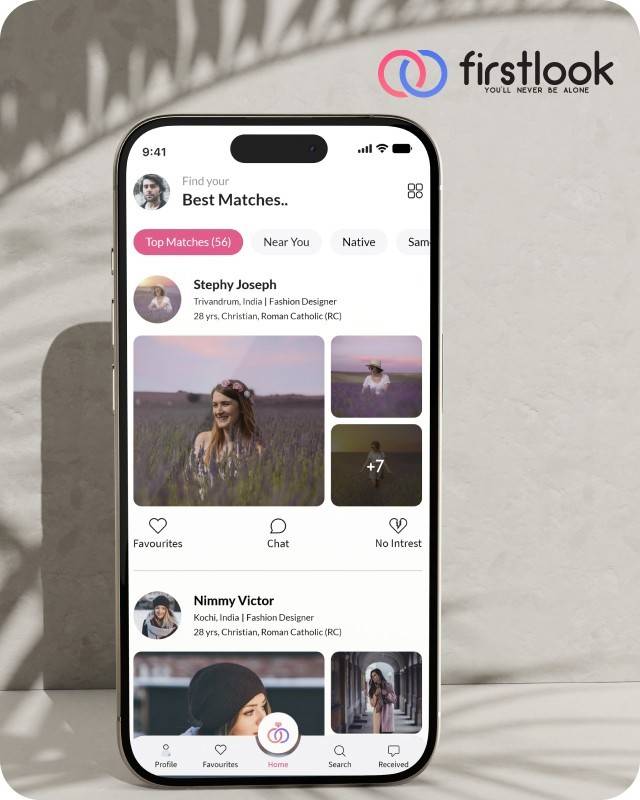
FirstLook Matrimony is a modern matchmaking app that helps you find your perfect life partner with personalized matches, easy chat options, and a secure platform built on trust.

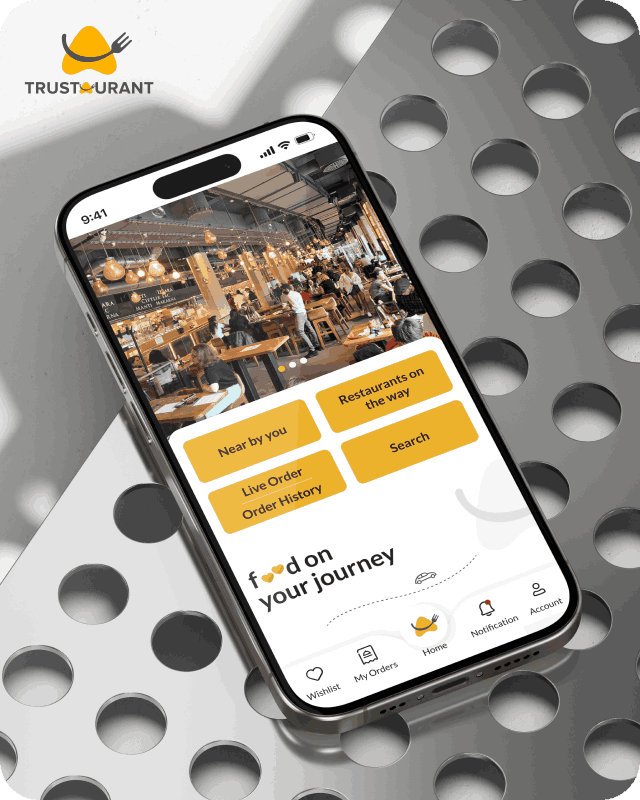
Trustaurant is a travel-friendly food app that helps you discover and order from trusted restaurants nearby or along your journey, all in real-time.
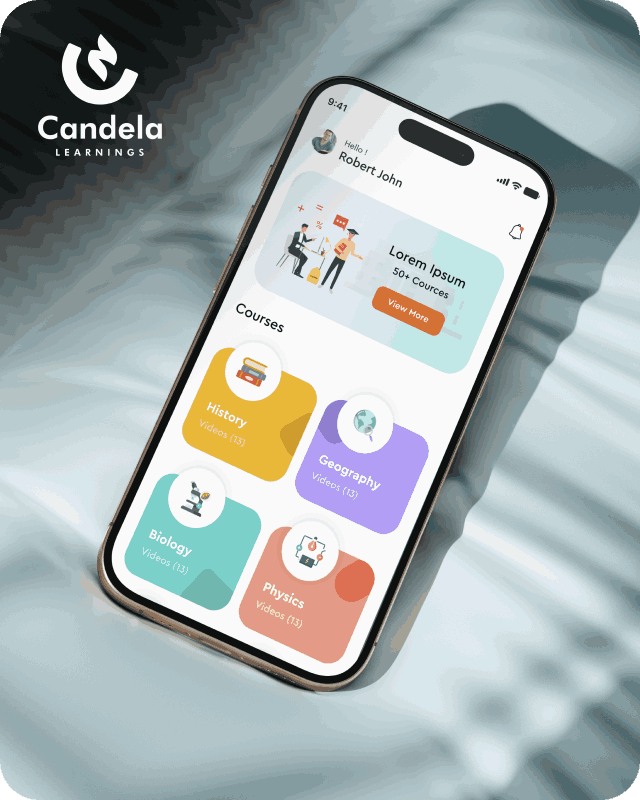
Candela Learnings is an engaging educational app offering interactive video courses in subjects like History, Geography, Biology, and Physics—all in one place.
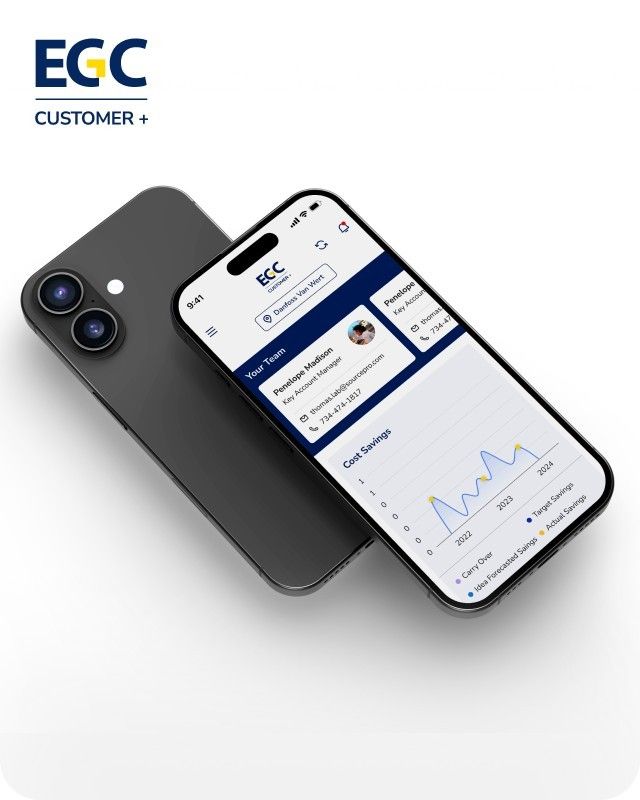
EGC Customer+ is a smart, user-friendly app designed to help you track cost savings, manage key contacts, and stay in control of your account performance—all in one place.
We are a team of highly dedicated mobile app developers that build cutting-edge mobile applications with the latest technologies.
View all WorksWe are a team of highly dedicated mobile app developers that build cutting-edge mobile applications with the latest technologies.
View more openings

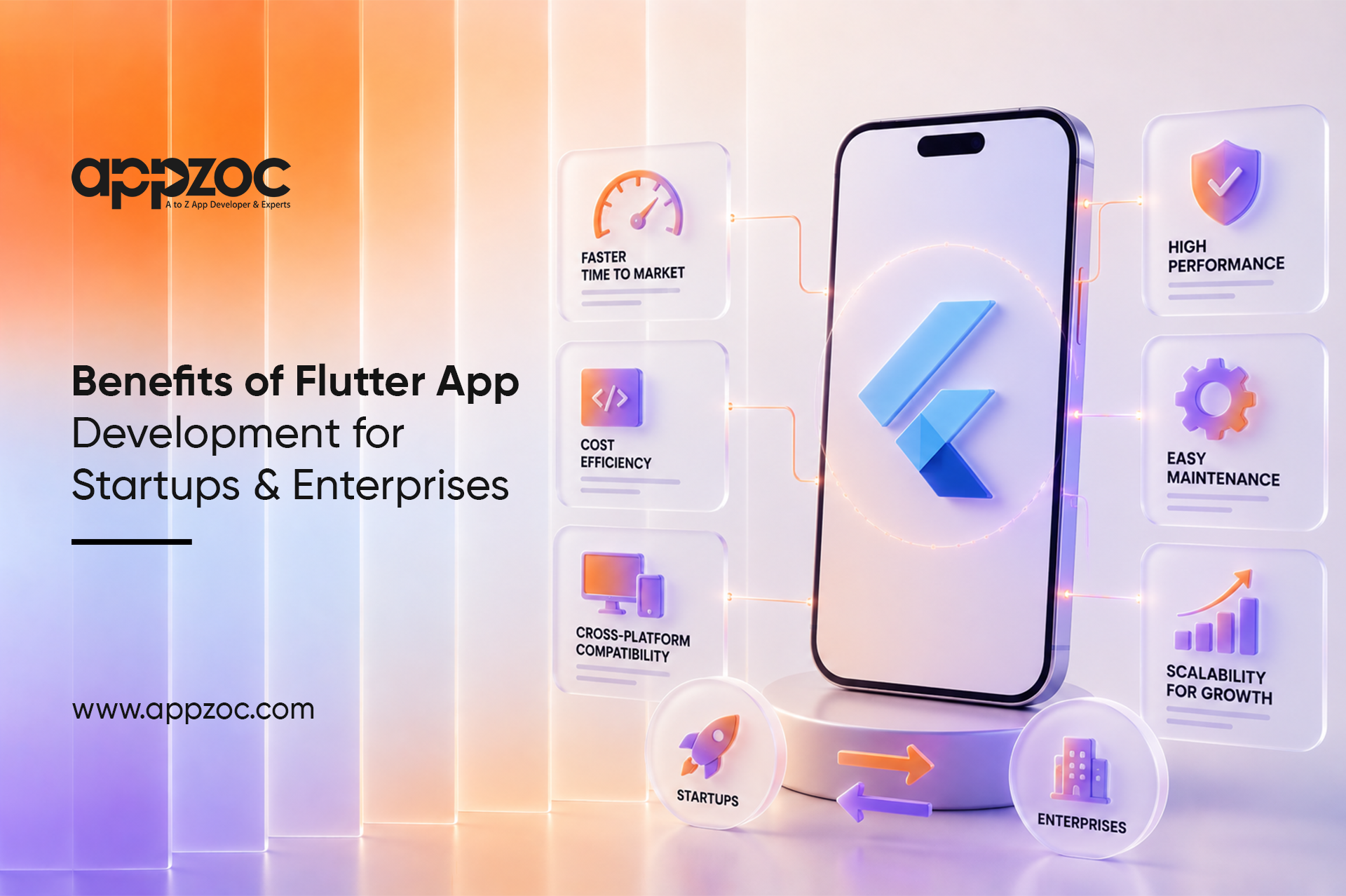
Building two separate apps, one for Android and one for iOS, used to be the default. It burned budgets and slowed launches. Flutter changed that. One codebase, both platforms, near-native performance. If you’re a startup with limited runway or an enterprise juggling multiple digital products, Flutter app development cuts the cost and the complexity without cutting corners on the experience.
Most mobile app projects fail not because of a bad idea, but because of money and time.
You get a quote for a native Android app. Then another quote for iOS. You do the mental math and realise you’re looking at double the developers, double the QA cycles, and double the maintenance every time a platform updates its OS. For a startup, that’s a serious problem. For a large enterprise, it compounds fast across product lines.
Flutter is an open-source UI toolkit built by Google. It lets developers write code once in a language called Dart and deploy that same code to Android, iOS, web, and desktop.
The key distinction from older cross-platform tools: Flutter doesn’t use a JavaScript bridge to translate your code into native components. That’s why Flutter apps look and feel consistent across platforms, and why they perform closer to native than most alternatives.
A single codebase for Android and iOS isn’t a compromise here. It’s the actual output.
Speed in mobile development usually means cutting something. Flutter is one of the few cases where it doesn’t.
The headline feature is Hot Reload. When a developer changes something in the code, the app updates on screen in under a second, without losing its current state. For UI-heavy work, this alone can cut iteration time significantly.
For startups trying to validate a product quickly, this matters more than almost anything else in the technical stack.
The cost argument is simple, and it holds up: one codebase means one team.
Instead of hiring separate Android and iOS developers, maintaining parallel codebases, and running duplicate QA processes, you consolidate. The savings are real. For a startup or a mid-market business, the proportional impact is even larger.
Ongoing maintenance costs drop, too. One bug fix covers both platforms.
This is the point where Flutter really makes people believe in it.
While other hybrid frameworks just put a web view inside a native shell, Flutter goes a step further by directly compiling the code to native ARM machine code.
Therefore, you will see a significant enhancement in animations, reduced waiting time, and a user experience so good that most users would not be able to tell it apart from a fully native app.
Flutter isn’t just good for launch. It stays practical as a product grows.
Adding new features to a Flutter app doesn’t mean duplicating work across platforms. One update, both platforms, same release cycle. For enterprise teams managing complex products across multiple markets, that’s a meaningful operational advantage.
Brand consistency in mobile apps is harder than it looks. Native Android and iOS have different design conventions, different default fonts, and different gesture behaviours. Building to both natively means making design decisions twice, and often arriving at slightly different results.
Flutter sidesteps this because it renders its own widgets. The UI isn’t delegated to platform components. What you design is what ships on every device.
For businesses where brand experience is part of the product, this is a real advantage. The app looks the same on a Samsung running Android 14 and an iPhone running iOS 18.
The benefits above are real for any project. But they hit differently depending on where you are in your business lifecycle.
For startups:
The constraints are clear: limited budget, pressure to ship fast, and a need to test assumptions without burning the runway. Flutter addresses all three.
A startup building with Flutter isn’t taking a shortcut. It’s making a sensible resource decision.
For enterprises:
The problems are different, but the solution still fits. Large organisations often run multiple apps across different business units, and the overhead of maintaining native codebases multiplies with each product.
Flutter enables centralised development standards, faster updates across a product portfolio, and consistent UI implementation across teams.
Custom Flutter app development services for enterprises also open up paths to web and desktop from the same codebase, which matters for internal tools and dashboards.
Flutter isn’t the right choice for every single app, but it’s the right choice for most of them. If you need to ship on Android and iOS without doubling your budget, deliver a consistent user experience, and build something that can grow with your business, Flutter does all of that without the usual trade-offs.
The framework is mature, well-supported, and gaining adoption at a rate that suggests it’s not going anywhere.
If you’re planning a mobile app and haven’t explored what Flutter can do for your specific requirements, that’s the conversation worth having next. Appzoc one of the top flutter app development company in bangalore has built cross-platform applications across industries, from MVPs to enterprise-scale products. If you have a project brief, a rough idea, or just a budget and a deadline, reach out to Appzoc and get a straight answer on what’s possible and what it’ll cost.
Is Flutter good for building an MVP?
Yes. It’s one of the best choices for MVPs because a single team can ship on both Android and iOS at the same time. You get to market faster and spend less doing it.
Does Flutter perform as well as a native app?
For the vast majority of consumer and business apps, yes. Flutter compiles to native ARM code and targets 60fps. The difference between Flutter and a native app is imperceptible to most users.
Is Flutter suitable for large enterprise projects?
It is. Google Pay, Nubank, and the BMW app all run on Flutter. These are high-traffic, complex products, not side projects.