Flutter
Make the most of this cutting-edge technology by developing apps quickly! Our Flutter solutions have amazing features that can be used to create sleek, high-performance apps that can scale seamlessly across platforms.



We aim to build applications that excel in all aspects. We consider customer satisfaction as the best award we could receive. In that journey, we have been recognized multiple times for the exceptional products we deliver.
Faster work process

Customer Review on Google
Successful projects accross the world
We are a team of highly dedicated mobile app developers that build cutting-edge mobile applications with the latest technologies.
About us
We cater to dedicated and tailored app development to help companies expand and achieve new heights. We deliver great features focusing on the latest technological advancement.

Our expertise in hybrid application development in Kerala, comes by integrating our agile methodology. We are the leading experts in hybrid application development.

Our rank booster packages reap maximum results for ranking mobile apps higher in the highly competitive niche. We get ahead with a proper ASO strategy crafted under our years of ASO experience.

Our landing page creation in a faster mode connects seamlessly with popular marketing platforms. We build efficient landing pages that crush your revenue goals.
We are a team of highly dedicated mobile app developers that build cutting-edge mobile applications with the latest technologies.
View all Services
Make the most of this cutting-edge technology by developing apps quickly! Our Flutter solutions have amazing features that can be used to create sleek, high-performance apps that can scale seamlessly across platforms.

Explore the endless possibilities of mobile app development with our Figma services. Design compelling apps and refine your tech skills, all while leveraging cutting-edge tools to make a meaningful impact in the industry. Appzoc ensures a seamless user experience.

From startups to enterprises, we specialize in creating Android app development services that drive growth. Our team at Appzoc focuses on developing apps that provide an outstanding experience across all Android devices and wearables.
Node.js, for its high scalability, simplifies the mobile application process and is widely used for real-time applications with many open-source libraries and frameworks. The server-side and client-side switches are easy with Node.js. Node.js developers can constantly publish new code making the app possible as and when needed.
We are a team of highly dedicated mobile app developers that build cutting-edge mobile applications with the latest technologies.
View all Technologies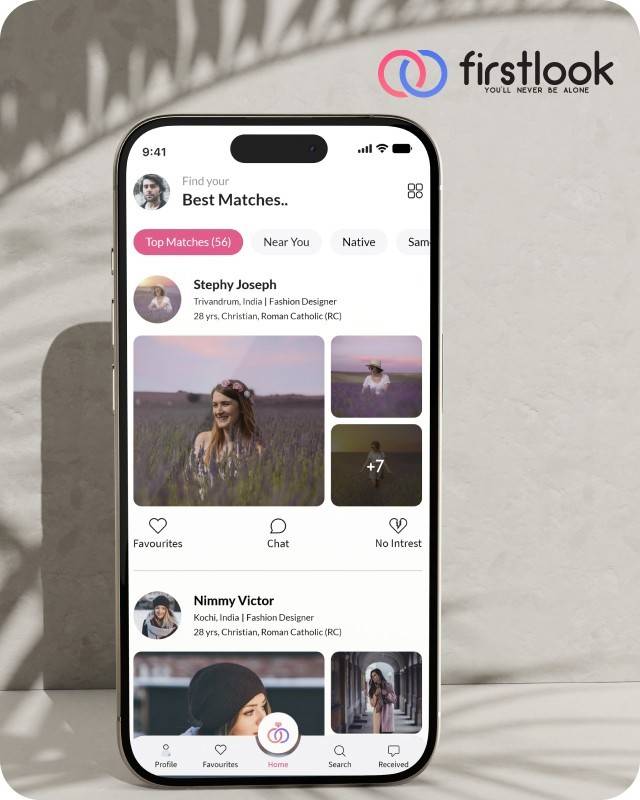
FirstLook Matrimony is a modern matchmaking app that helps you find your perfect life partner with personalized matches, easy chat options, and a secure platform built on trust.

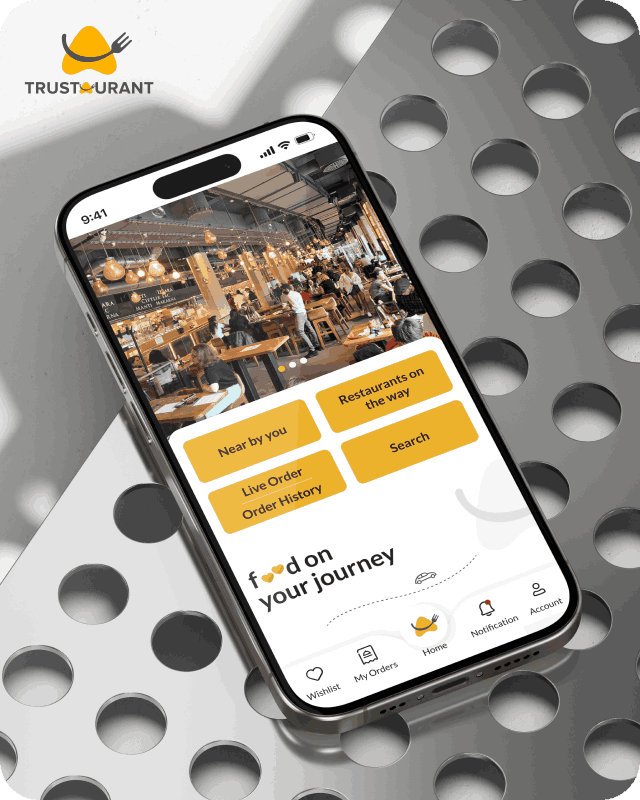
Trustaurant is a travel-friendly food app that helps you discover and order from trusted restaurants nearby or along your journey, all in real-time.
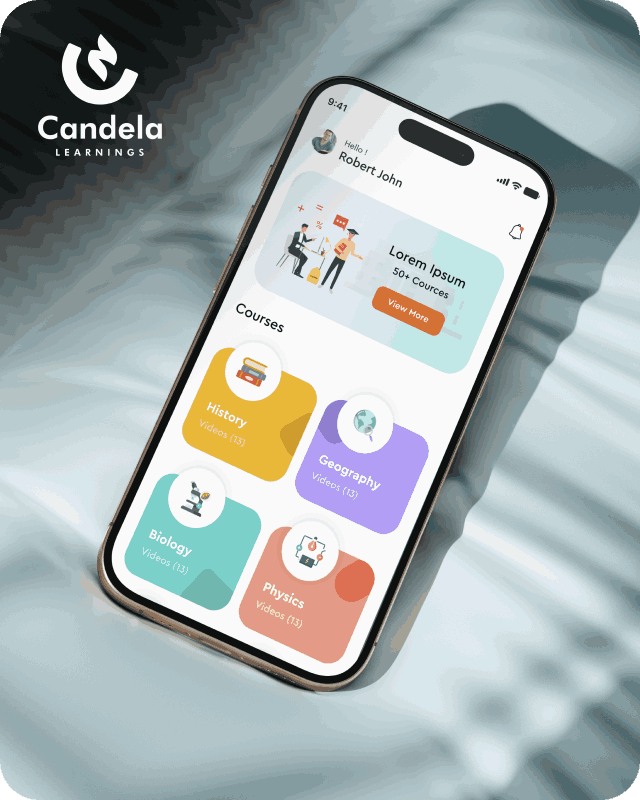
Candela Learnings is an engaging educational app offering interactive video courses in subjects like History, Geography, Biology, and Physics—all in one place.
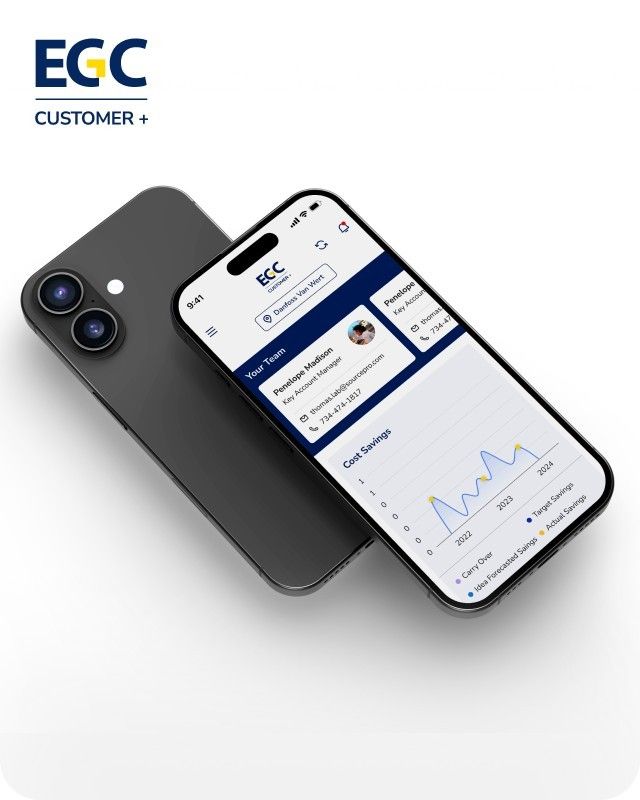
EGC Customer+ is a smart, user-friendly app designed to help you track cost savings, manage key contacts, and stay in control of your account performance—all in one place.
We are a team of highly dedicated mobile app developers that build cutting-edge mobile applications with the latest technologies.
View all WorksWe are a team of highly dedicated mobile app developers that build cutting-edge mobile applications with the latest technologies.
View more openings

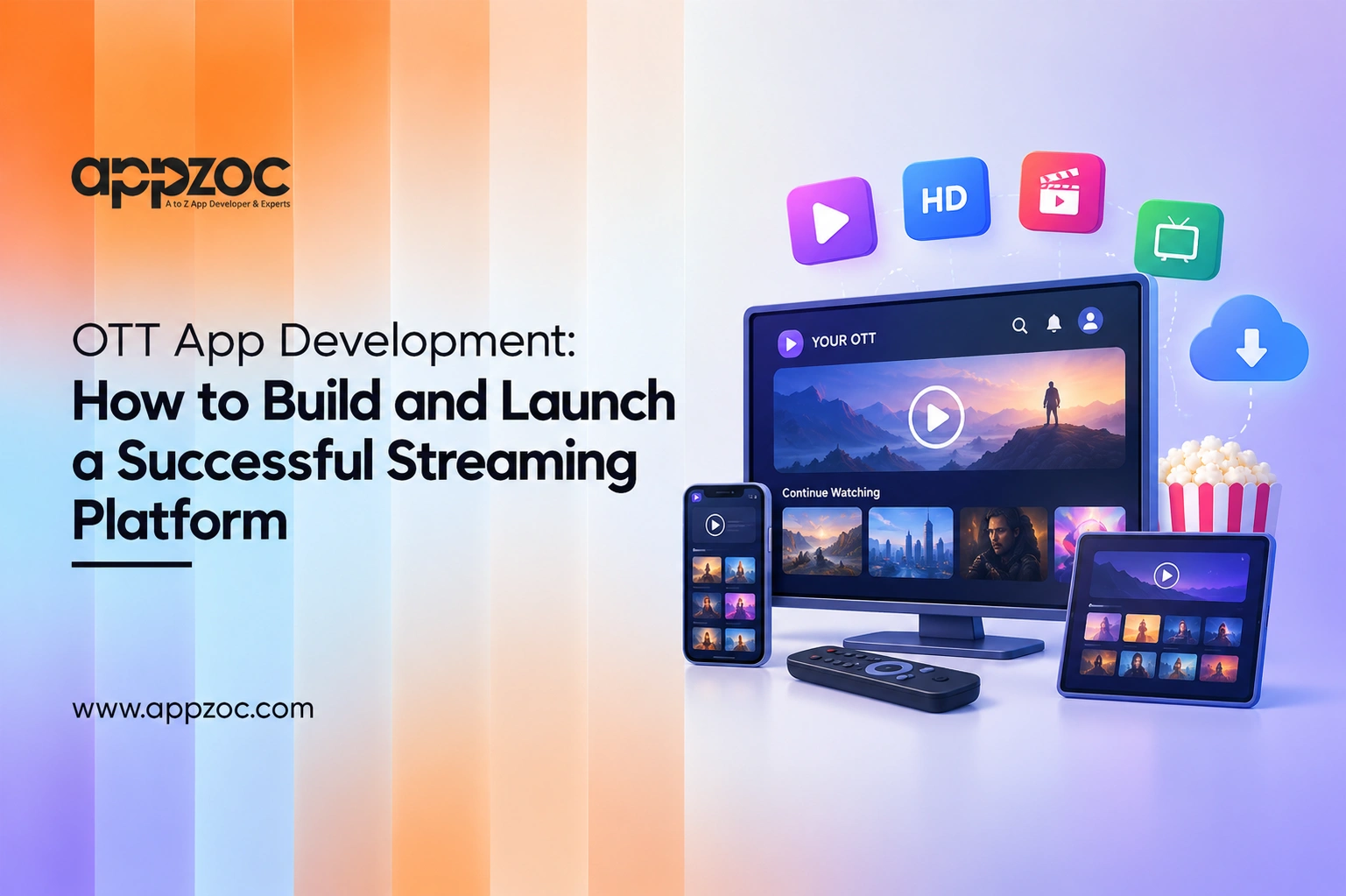
Most OTT guides tell you what streaming is. This one tells you what breaks first. If weak content delivery, the wrong monetization model, and no plan for churn before day one are right, the rest of the build is straightforward. Ignore them, and it’s too late to save the launch.
Everyone is building a streaming app. Not everyone should. The idea is simple. Own your audience, avoid platform charges, and control your content. Execution is the part where more projects die.
The market is real. OTT revenue has been climbing for years, and the growth isn’t slowing down. It’s spreading. Industry-specific streaming (fitness, education, faith, sport), niche libraries, and regional platforms are no longer vanity projects. They’re viable businesses. But growth doesn’t mean easy money. It means more competitors vying for the same attention.
There are three models. Choose one before writing a single line of code.
Most successful platforms blend two of the three. Pure SVOD is getting harder to sustain.
Don’t focus on the extra features; build the essentials first.
Everything else is just a nice-to-have.
The stack determines if the app will survive its own success.
OTT infrastructure has more moving parts than most app builds: streaming, DRM, payments, and scale, all at once. That’s where the average application development company falls short. A mobile app development company with strong backend and DRM experience creates a smooth launch.
Money is drawn from one of three doors, or a combination.
Worth knowing before you pick a model: subscription fatigue is a documented, growing problem. Recent data shows younger viewers cancel streaming subscriptions at a notably higher rate than the overall population. Pure subscription is no longer the safe default it used to be. That’s partly why ad-supported tiers are climbing fast; more subscription households are now layering in an ad-supported service alongside what they already pay for.
None of these are reasons to quit. They’re reasons to plan before you build.
Launch small, learn fast, and scale deliberately.
OTT is no longer just a trend. It’s the infrastructure for how people watch things. It’s not just an opportunity; it’s a reality. So is the failure rate. The difference between the two is in the foundation: the right architecture, a fitting monetization strategy, and a retention plan before the first user signs up.
Appzoc develops cross-platform applications, backend systems, and scalable architectures to meet the needs of companies that aren’t satisfied with a template. If you are planning an OTT platform, contact us for a consultation.