Flutter
Make the most of this cutting-edge technology by developing apps quickly! Our Flutter solutions have amazing features that can be used to create sleek, high-performance apps that can scale seamlessly across platforms.



We aim to build applications that excel in all aspects. We consider customer satisfaction as the best award we could receive. In that journey, we have been recognized multiple times for the exceptional products we deliver.
Faster work process

Customer Review on Google
Successful projects accross the world
We are a team of highly dedicated mobile app developers that build cutting-edge mobile applications with the latest technologies.
About us
We cater to dedicated and tailored app development to help companies expand and achieve new heights. We deliver great features focusing on the latest technological advancement.

Our expertise in hybrid application development in Kerala, comes by integrating our agile methodology. We are the leading experts in hybrid application development.

Our rank booster packages reap maximum results for ranking mobile apps higher in the highly competitive niche. We get ahead with a proper ASO strategy crafted under our years of ASO experience.

Our landing page creation in a faster mode connects seamlessly with popular marketing platforms. We build efficient landing pages that crush your revenue goals.
We are a team of highly dedicated mobile app developers that build cutting-edge mobile applications with the latest technologies.
View all Services
Make the most of this cutting-edge technology by developing apps quickly! Our Flutter solutions have amazing features that can be used to create sleek, high-performance apps that can scale seamlessly across platforms.

Explore the endless possibilities of mobile app development with our Figma services. Design compelling apps and refine your tech skills, all while leveraging cutting-edge tools to make a meaningful impact in the industry. Appzoc ensures a seamless user experience.

From startups to enterprises, we specialize in creating Android app development services that drive growth. Our team at Appzoc focuses on developing apps that provide an outstanding experience across all Android devices and wearables.

Node.js, for its high scalability, simplifies the mobile application process and is widely used for real-time applications with many open-source libraries and frameworks. The server-side and client-side switches are easy with Node.js. Node.js developers can constantly publish new code making the app possible as and when needed.
We are a team of highly dedicated mobile app developers that build cutting-edge mobile applications with the latest technologies.
View all Technologies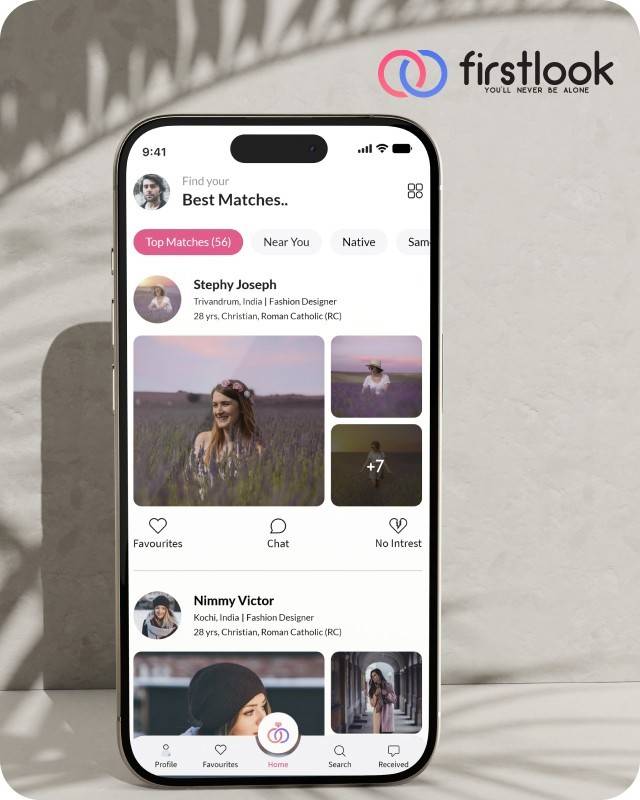
FirstLook Matrimony is a modern matchmaking app that helps you find your perfect life partner with personalized matches, easy chat options, and a secure platform built on trust.

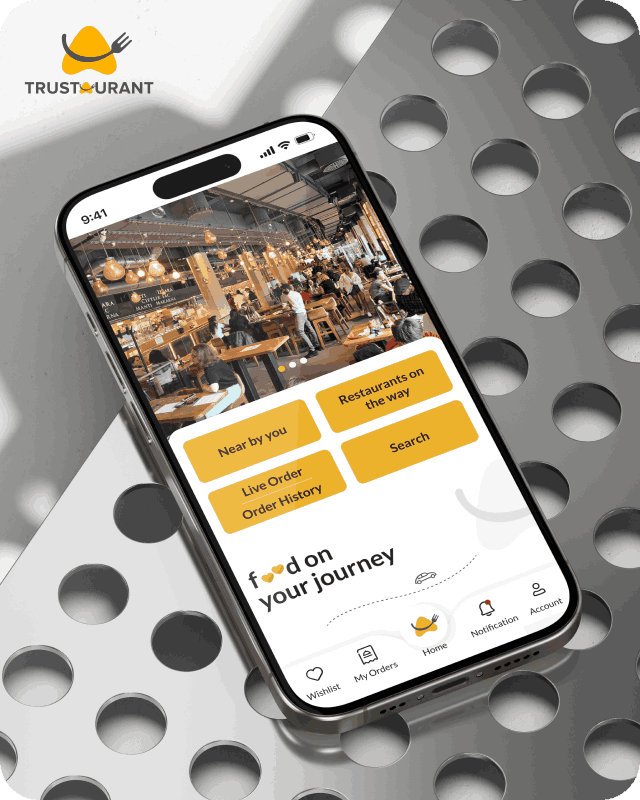
Trustaurant is a travel-friendly food app that helps you discover and order from trusted restaurants nearby or along your journey, all in real-time.
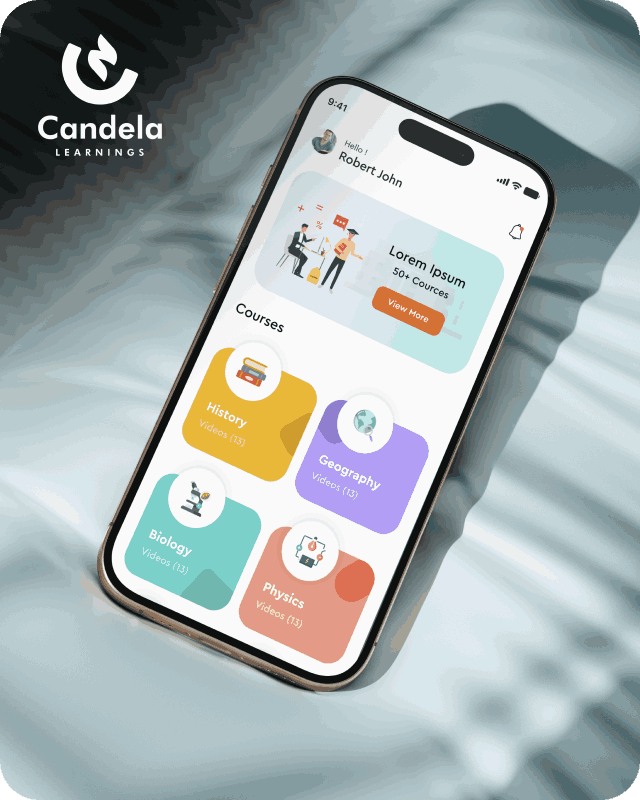
Candela Learnings is an engaging educational app offering interactive video courses in subjects like History, Geography, Biology, and Physics—all in one place.
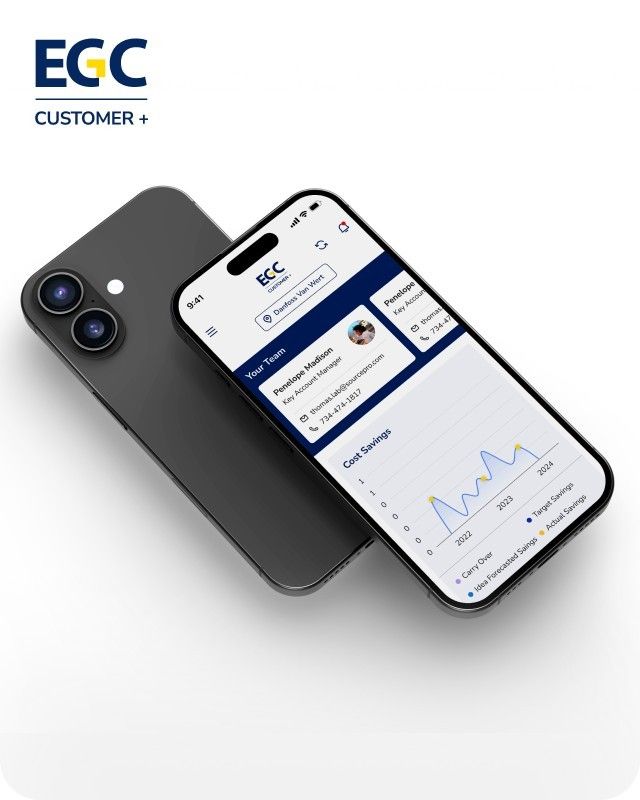
EGC Customer+ is a smart, user-friendly app designed to help you track cost savings, manage key contacts, and stay in control of your account performance—all in one place.
We are a team of highly dedicated mobile app developers that build cutting-edge mobile applications with the latest technologies.
View all WorksWe are a team of highly dedicated mobile app developers that build cutting-edge mobile applications with the latest technologies.
View more openings

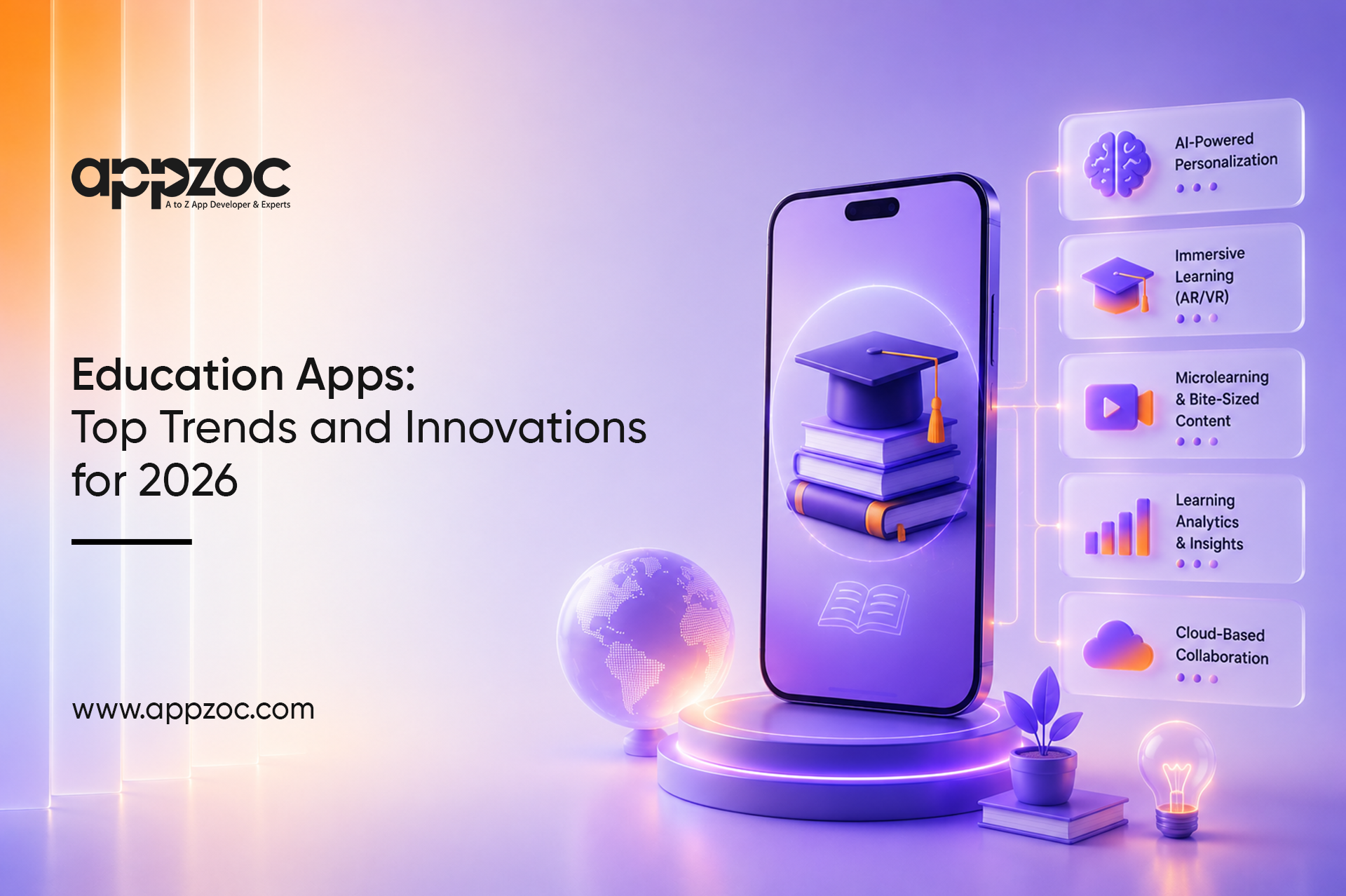
Every school and edtech company rushed to build an app during the pandemic. Most of those apps are gone now, or have been rebuilt from scratch, because simply having an app was never the goal. In 2026, the focus has shifted to building education apps that improve learning outcomes and scale efficiently. For institutions planning a new education platform, long-term success depends on creating a solution that delivers measurable value to learners and educators.
Below are the key trends shaping education apps in 2026 and what they mean for organizations building or investing in this space.
A learner today expects an app to know where they’re stuck. That level of personalization was far less common five years ago.
What’s driving this:
A student stuck on fractions keeps getting fraction practice instead of being pushed forward regardless. Institutions notice this in retention numbers. For developers, the challenge is ensuring AI delivers meaningful learning support rather than acting as another chatbot.
Badges and leaderboards were the easy version of gamification. Most of it felt hollow, and students figured that out fast. What’s replacing it is game design tied to whether someone is genuinely progressing.
Duolingo pioneered this approach, and education apps across subjects are now following suit. The hard part is restraint. Gamification that’s just decoration gets noticed and ignored. The apps that hold attention build mechanics around the actual lesson first, then add the fun.
A classroom set of VR headsets used to cost more than most schools could justify, and one broken headset meant an unbudgeted repair bill. That math is shifting as headsets get cheaper and phone-based AR gets genuinely good.
Where this is showing up:
For many institutions, AR is currently more practical because it works on smartphones that learners already own. No extra hardware to buy, ship, or replace when a student drops it. That’s what makes it deployable at scale in places where headset costs are still out of reach.
Nobody sits through a 45-minute lesson on their phone. They grab five minutes on a bus, or between meetings, or in a queue. Microlearning is built for that, not for a classroom that got shrunk onto a screen.
What defines this approach:
This is where mobile development experience actually shows. A microlearning app runs by different rules than a website: fast load times, minimal taps to reach a lesson, and steady performance on the mid-range Android phones most people in India and Southeast Asia actually carry. Get those details wrong, and learner engagement is likely to decline.
An app that can’t show its own results is hard to justify renewing.
What good analytics now covers:
Session length alone tells you almost nothing. What matters is knowing a student keeps missing the same type of question, and that the app has adjusted to give more practice on it. That kind of insight needs data architecture planned from the start, not analytics wedged in after launch.
Accessibility used to be the thing teams added right before launch, if there was time. There often wasn’t. That’s shifting, partly because of regulation and partly because institutions are realizing how many users they’ve been leaving out.
What this looks like in practice:
Retrofitting accessibility after launch is expensive, and it’s usually obvious to users that it was an afterthought. Building it into the architecture from day one costs less down the line and simply reaches more people.
Put the trends above together and here’s what a competitive education app needs in 2026:
None of these are nice-to-haves anymore. Anyone evaluating a development partner should be asking about all seven before signing anything.
AI tutoring will keep closing the gap between a scripted flowchart and an actual conversation. Micro-credentials earned through apps will keep gaining ground as more employers place greater value on practical skills and industry-recognized credentials alongside traditional degrees. And cross-border learning will keep growing, with apps built specifically to help international students navigate study-abroad decisions.
The pattern across all of it: education apps are turning into infrastructure, not side projects. Institutions still treating their app as an afterthought will fall behind the ones that don’t.
If your institution or business is looking for a mobile app development company in Bangalore for an education app project, choosing an experienced development partner is essential. The Appzoc team can help build scalable, future-ready education apps tailored to your requirements.
The education apps that hold up in 2026 will be fast, personalized, accessible, and built for the phones people carry, not a desktop screen someone made responsive. None of that happens by luck. It takes a team that understands mobile-first design, data architecture, and this space’s specific constraints.
We’ve developed solutions ranging from interactive learning platforms to study-abroad applications, helping organizations build education apps that learners use consistently.