Flutter
Make the most of this cutting-edge technology by developing apps quickly! Our Flutter solutions have amazing features that can be used to create sleek, high-performance apps that can scale seamlessly across platforms.



We aim to build applications that excel in all aspects. We consider customer satisfaction as the best award we could receive. In that journey, we have been recognized multiple times for the exceptional products we deliver.
Faster work process

Customer Review on Google
Successful projects accross the world
We are a team of highly dedicated mobile app developers that build cutting-edge mobile applications with the latest technologies.
About us
We cater to dedicated and tailored app development to help companies expand and achieve new heights. We deliver great features focusing on the latest technological advancement.

Our expertise in hybrid application development in Kerala, comes by integrating our agile methodology. We are the leading experts in hybrid application development.

Our rank booster packages reap maximum results for ranking mobile apps higher in the highly competitive niche. We get ahead with a proper ASO strategy crafted under our years of ASO experience.

Our landing page creation in a faster mode connects seamlessly with popular marketing platforms. We build efficient landing pages that crush your revenue goals.
We are a team of highly dedicated mobile app developers that build cutting-edge mobile applications with the latest technologies.
View all Services
Make the most of this cutting-edge technology by developing apps quickly! Our Flutter solutions have amazing features that can be used to create sleek, high-performance apps that can scale seamlessly across platforms.

Explore the endless possibilities of mobile app development with our Figma services. Design compelling apps and refine your tech skills, all while leveraging cutting-edge tools to make a meaningful impact in the industry. Appzoc ensures a seamless user experience.

From startups to enterprises, we specialize in creating Android app development services that drive growth. Our team at Appzoc focuses on developing apps that provide an outstanding experience across all Android devices and wearables.

Node.js, for its high scalability, simplifies the mobile application process and is widely used for real-time applications with many open-source libraries and frameworks. The server-side and client-side switches are easy with Node.js. Node.js developers can constantly publish new code making the app possible as and when needed.
We are a team of highly dedicated mobile app developers that build cutting-edge mobile applications with the latest technologies.
View all Technologies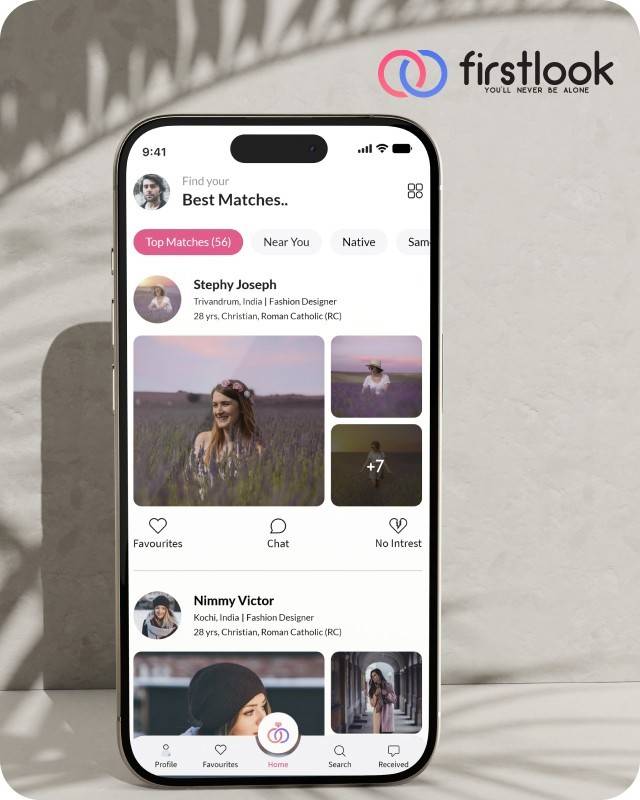
FirstLook Matrimony is a modern matchmaking app that helps you find your perfect life partner with personalized matches, easy chat options, and a secure platform built on trust.

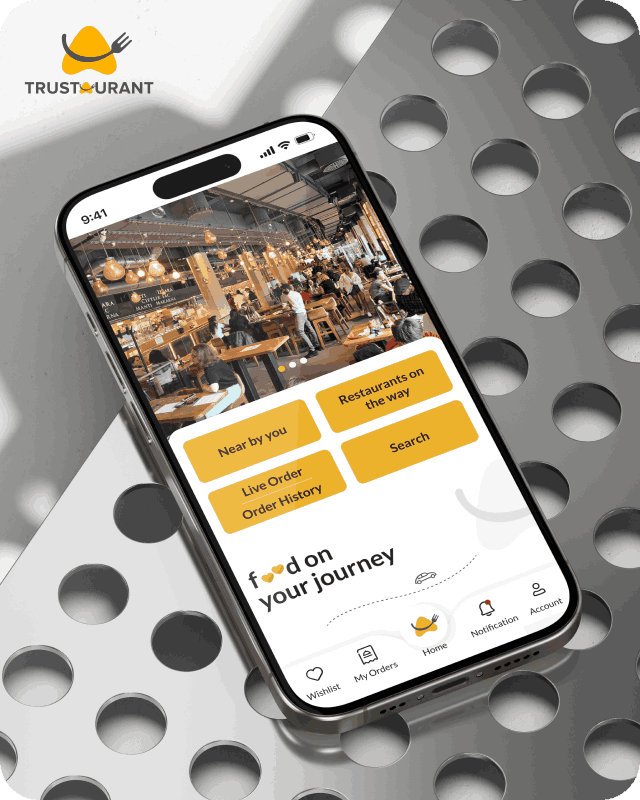
Trustaurant is a travel-friendly food app that helps you discover and order from trusted restaurants nearby or along your journey, all in real-time.
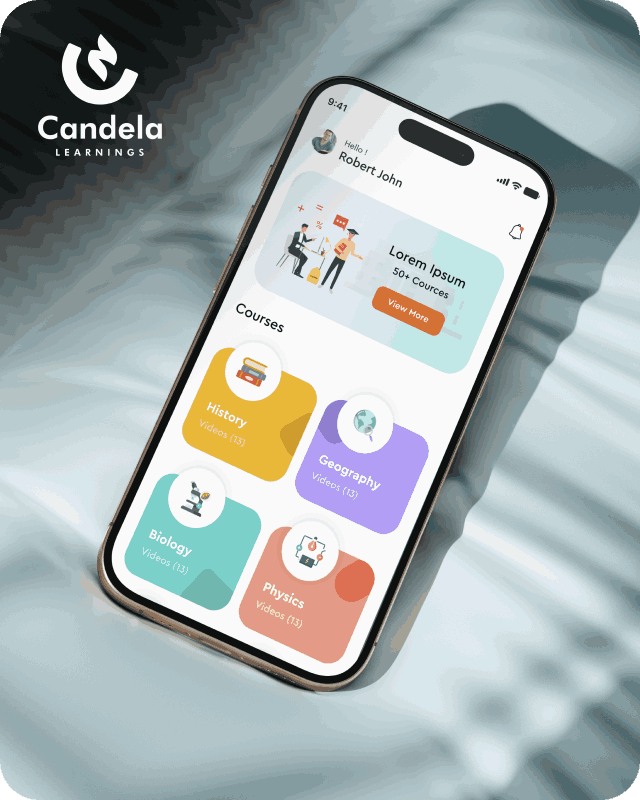
Candela Learnings is an engaging educational app offering interactive video courses in subjects like History, Geography, Biology, and Physics—all in one place.
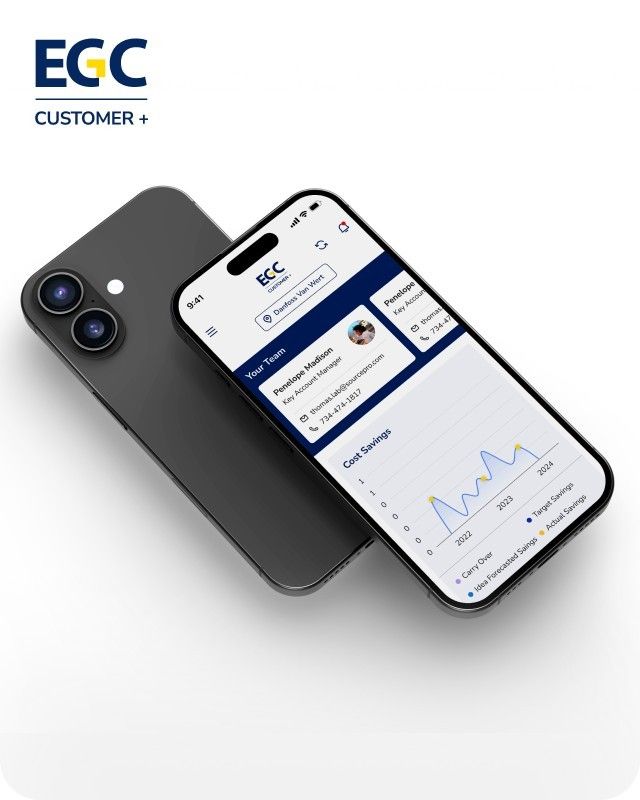
EGC Customer+ is a smart, user-friendly app designed to help you track cost savings, manage key contacts, and stay in control of your account performance—all in one place.
We are a team of highly dedicated mobile app developers that build cutting-edge mobile applications with the latest technologies.
View all WorksWe are a team of highly dedicated mobile app developers that build cutting-edge mobile applications with the latest technologies.
View more openings

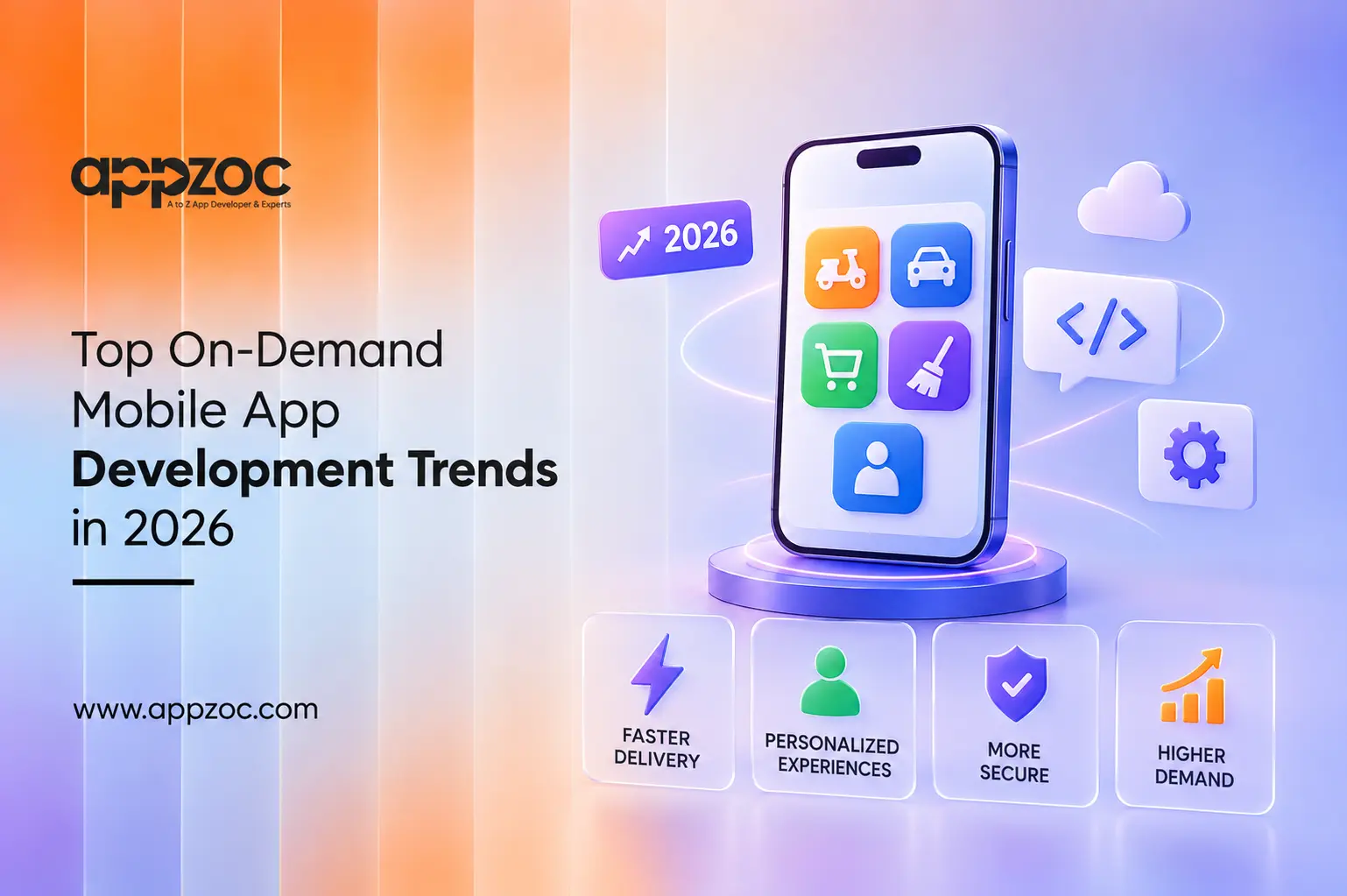
On-demand apps were once built for a simple purpose: connect customers with a driver, delivery partner, cleaner, technician, or other service provider. Today, these apps are becoming much smarter. They can understand user preferences, suggest services, automate repeat requests, and bring multiple services together in one platform.
For businesses planning to build or improve an on-demand app, these changes are important. Users now expect apps to be fast, simple, and convenient. The most successful apps are not always the ones with the most features. They are the ones that make everyday tasks easier and save users time.
On-demand mobile apps allow users to request a product or service and receive it within a specific time. Ride-hailing, food delivery, grocery delivery, home services, and freelance platforms are common examples.
Most on-demand apps connect three main groups: the customer, the service provider, and the business operating the platform. The app and its backend system manage important tasks such as service matching, payments, order management, and tracking.
Earlier on-demand apps mainly focused on connecting customers with service providers. Modern apps are going further by using AI, automation, real-time data, and personalised features to improve the overall experience.
Users do not want to see the same offers and recommendations as everyone else. On-demand apps are using AI to provide more personalised experiences based on order history, browsing activity, location, and user preferences.
For example, a food delivery app can suggest a user’s usual meal around their normal dinner time. A grocery app can remind customers to reorder products they buy regularly. These personalised features can make the app more useful and encourage users to return.
AI is now moving beyond recommendations. AI agents can also help complete tasks on behalf of users. Instead of making the same booking or order every day, users can set their preferences once and allow the app to handle future requests.
For example, a user can set a regular cab booking for weekday mornings. A household can also allow an app to reorder frequently used products when they are running low. This can reduce the number of steps users need to take.
Real-time tracking has become an important part of most on-demand apps. Users want to know where their driver, delivery partner, or service provider is and when they can expect them to arrive.
Modern apps are going beyond basic GPS tracking. They can provide updated ETAs based on traffic, send alerts when a service provider reaches a certain area, and update routes in real time. These features help businesses provide a smoother customer experience.
Many businesses are focusing on smaller areas instead of trying to serve an entire city with the same model. This is known as a hyperlocal approach.
By connecting customers with nearby service providers, businesses can reduce delivery times and improve service availability. This approach is especially useful for grocery delivery, food delivery, local transportation, and home services.
Typing and tapping through several screens is not always convenient. Voice and conversational features allow users to make requests by simply speaking to the app.
For example, users can ask an app to book a ride, find a nearby service, or place an order. Voice features can also make apps easier to use for people who have difficulty with traditional touch-based navigation.
Not every AI task needs to be processed on a remote server. Some tasks can now be handled directly on a user’s device.
This approach, often called on-device or edge processing, can help apps respond faster. It can be useful for tasks such as image recognition, fraud detection, and personalised recommendations. It can also reduce the amount of personal information that needs to be sent to a server.
On-demand businesses need to know when and where customers are likely to need a service. AI and data analytics can help them predict demand based on factors such as location, time, weather, and local events.
For example, a ride-hailing company can prepare for higher demand near a stadium after a major event. A food delivery business can also prepare for increased orders during popular events. Better demand forecasting can help reduce waiting times and improve resource planning.
Route optimisation is becoming more advanced in on-demand delivery and transportation apps. Instead of simply finding the shortest route, modern systems can consider traffic, multiple delivery stops, driver availability, and delivery times.
This can help businesses reduce delivery times, improve fleet efficiency, and lower fuel costs. Customers also benefit from more accurate delivery times.
Some businesses are bringing several services together in one app. Instead of using separate apps for transportation, food delivery, shopping, and payments, users can access multiple services from a single platform.
This model is often called a super app. It can make things more convenient for users and help businesses increase engagement. However, it may not be suitable for every business. It works best for companies that already have a strong customer base and several related services.
Building separate apps for iOS and Android can require more development time and resources. Cross-platform frameworks such as Flutter allow developers to build apps that work across multiple platforms using a shared codebase.
This can help businesses reduce development time and costs while maintaining a consistent user experience. For on-demand businesses that need to launch quickly and make regular updates, cross-platform development can be a practical option.
A slow or complicated payment process can cause users to leave before completing a booking or order. On-demand apps are therefore adding more convenient payment options.
These can include digital wallets, saved cards, local payment gateways, one-click payments, and buy-now-pay-later options. Supporting popular payment methods in each target market is also important because payment preferences can vary between countries.
On-demand apps handle a large amount of user information, including location data, payment details, and personal preferences. Protecting this information is important for both user trust and business reputation.
Businesses should focus on secure app architecture, data encryption, limited data collection, and clear privacy controls. Giving users more control over their information can also help build trust and improve the overall app experience.
On-demand apps are gradually becoming more automated and personalised. Instead of waiting for users to make every request, future apps will be able to identify common needs and complete more tasks automatically.
AI agents are likely to play a bigger role in this change. They may handle more parts of the process, from identifying a user’s need to making a booking or placing an order.
Sustainability will also become more important. Businesses can use route optimisation, delivery batching, and local fulfilment models to reduce travel time, fuel use, and unnecessary deliveries.
However, businesses do not need to adopt every new technology. The best approach is to choose features that solve real problems for customers and improve the way the business operates.
Choosing the right development team is important when building an on-demand mobile app. WebCastle helps businesses build mobile apps with features such as real-time tracking, secure payments, AI-powered recommendations, and automated service requests.
Businesses can also choose the right development approach based on their requirements. For companies looking to reach both Android and iOS users while keeping development time and costs under control, hybrid app development can be a practical option.
With a team of experienced mobile app developers in Bangalore, WebCastle can help businesses plan, develop, and improve on-demand mobile applications based on their target users and business goals.
Also Read: Native vs Cross-Platform for Your First Mobile App: Which Is the Better Choice?
On-demand mobile apps are moving beyond simple booking and delivery services. AI, automation, real-time tracking, voice features, predictive technology, and better payment options are changing how these apps work.
For businesses planning a new on-demand app or upgrading an existing one, the goal should not be to include every new trend. Instead, businesses should focus on the technologies that make their app easier to use, faster, and more useful for their target customers.