Flutter
Make the most of this cutting-edge technology by developing apps quickly! Our Flutter solutions have amazing features that can be used to create sleek, high-performance apps that can scale seamlessly across platforms.



We aim to build applications that excel in all aspects. We consider customer satisfaction as the best award we could receive. In that journey, we have been recognized multiple times for the exceptional products we deliver.
Faster work process

Customer Review on Google
Successful projects accross the world
We are a team of highly dedicated mobile app developers that build cutting-edge mobile applications with the latest technologies.
About us
We cater to dedicated and tailored app development to help companies expand and achieve new heights. We deliver great features focusing on the latest technological advancement.

Our expertise in hybrid application development in Kerala, comes by integrating our agile methodology. We are the leading experts in hybrid application development.

Our rank booster packages reap maximum results for ranking mobile apps higher in the highly competitive niche. We get ahead with a proper ASO strategy crafted under our years of ASO experience.

Our landing page creation in a faster mode connects seamlessly with popular marketing platforms. We build efficient landing pages that crush your revenue goals.
We are a team of highly dedicated mobile app developers that build cutting-edge mobile applications with the latest technologies.
View all Services
Make the most of this cutting-edge technology by developing apps quickly! Our Flutter solutions have amazing features that can be used to create sleek, high-performance apps that can scale seamlessly across platforms.

Explore the endless possibilities of mobile app development with our Figma services. Design compelling apps and refine your tech skills, all while leveraging cutting-edge tools to make a meaningful impact in the industry. Appzoc ensures a seamless user experience.

From startups to enterprises, we specialize in creating Android app development services that drive growth. Our team at Appzoc focuses on developing apps that provide an outstanding experience across all Android devices and wearables.
Node.js, for its high scalability, simplifies the mobile application process and is widely used for real-time applications with many open-source libraries and frameworks. The server-side and client-side switches are easy with Node.js. Node.js developers can constantly publish new code making the app possible as and when needed.
We are a team of highly dedicated mobile app developers that build cutting-edge mobile applications with the latest technologies.
View all Technologies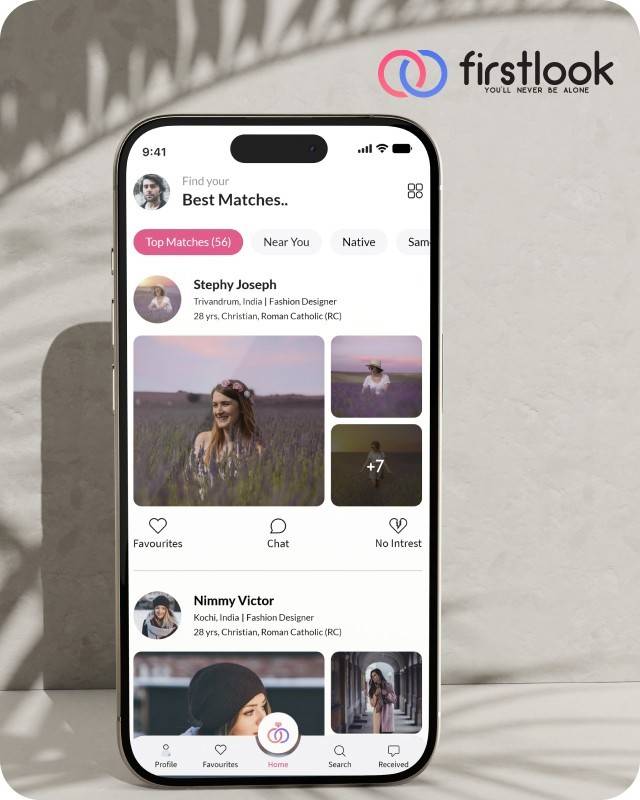
FirstLook Matrimony is a modern matchmaking app that helps you find your perfect life partner with personalized matches, easy chat options, and a secure platform built on trust.

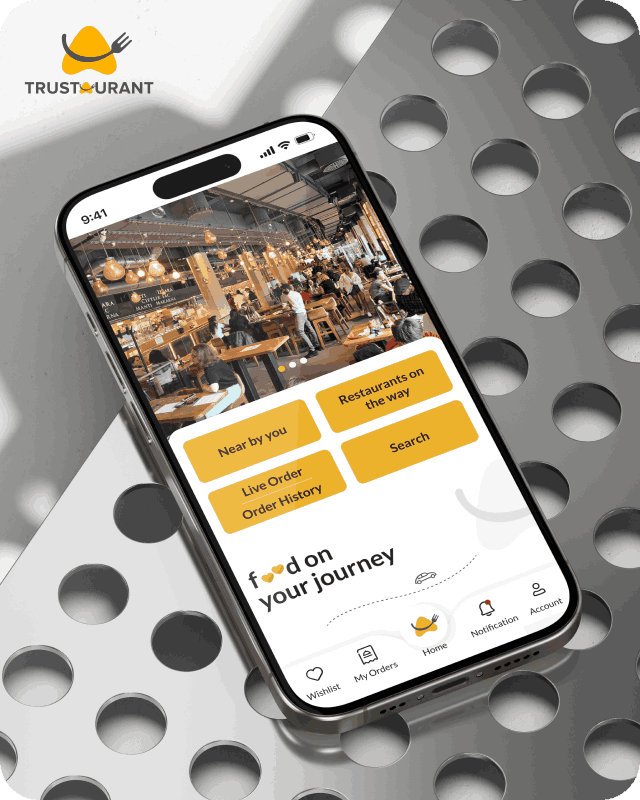
Trustaurant is a travel-friendly food app that helps you discover and order from trusted restaurants nearby or along your journey, all in real-time.
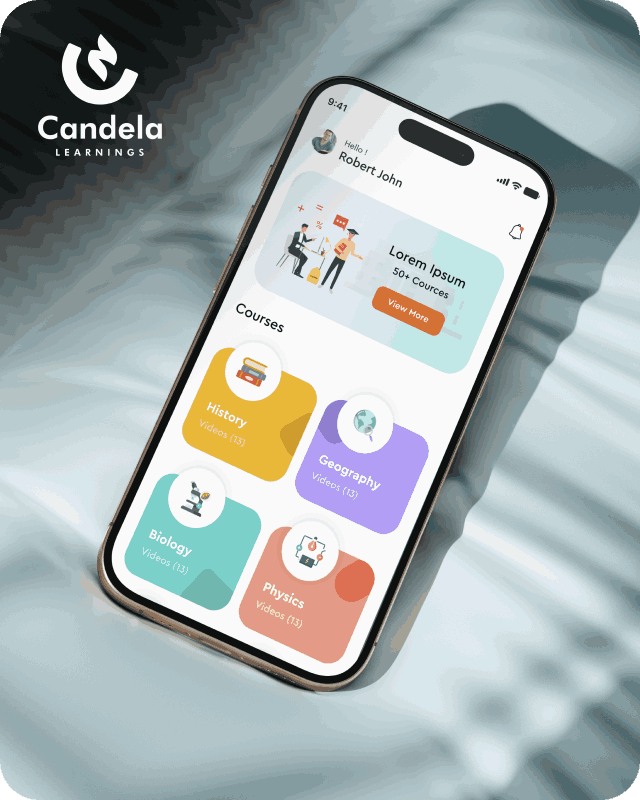
Candela Learnings is an engaging educational app offering interactive video courses in subjects like History, Geography, Biology, and Physics—all in one place.
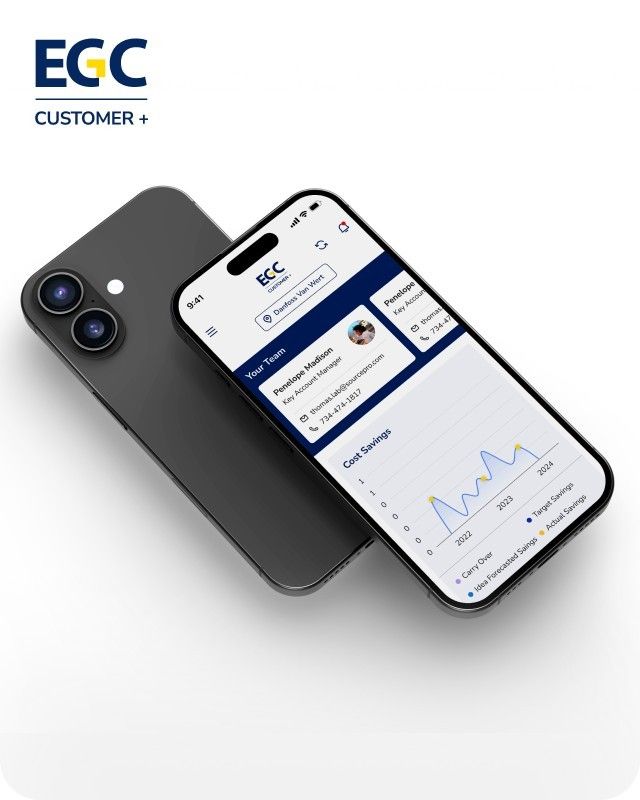
EGC Customer+ is a smart, user-friendly app designed to help you track cost savings, manage key contacts, and stay in control of your account performance—all in one place.
We are a team of highly dedicated mobile app developers that build cutting-edge mobile applications with the latest technologies.
View all WorksWe are a team of highly dedicated mobile app developers that build cutting-edge mobile applications with the latest technologies.
View more openings

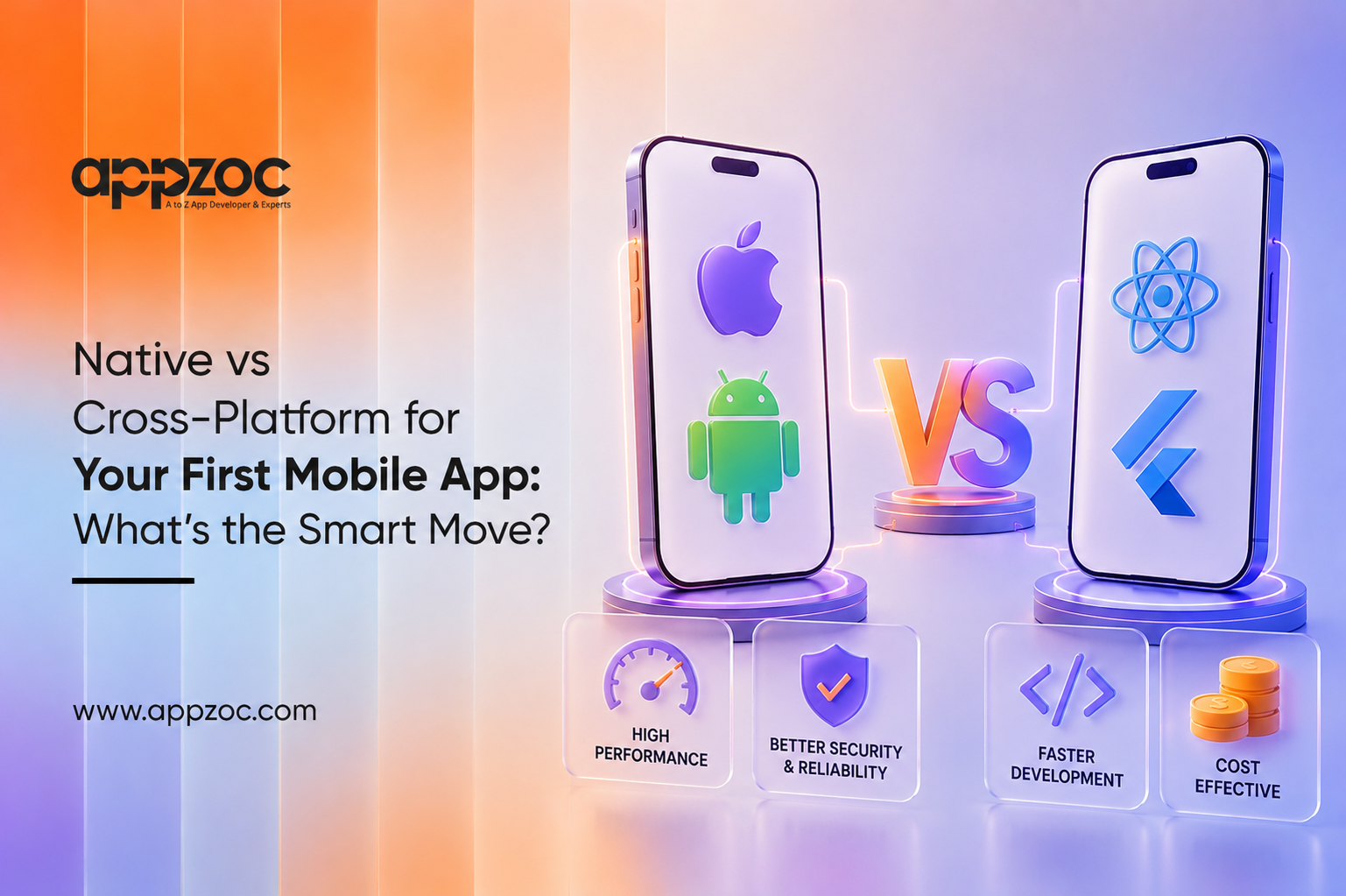
Most founders don’t think about this until a developer asks them directly: native or cross-platform? By then, they’ve usually already spent weeks on branding and screen designs, and now they’re stuck making a technical call that will affect their budget and timeline for months to come. It’s worth understanding before you start, not after.
Here’s a practical comparison of both approaches.
Native app development means building your app specifically for one operating system, using that system’s own language, Swift (or Objective-C) for iOS, and Kotlin (or Java) for Android. There’s no code sharing between the two, so you’ll maintain two separate codebases.
Why teams choose it:
Where it gets expensive:
Cross-platform development uses a single codebase to build an app for both iOS and Android. This lets developers create and maintain one application while delivering a consistent experience across both platforms.
React Native, built by Meta, benefits from a mature JavaScript ecosystem and a large developer community. Many founders instead choose Flutter for its fast development cycle, consistent UI, and cost-effective approach to building for both platforms at once.
Why teams choose it:
Where it falls short:
| Factor | Native App Development | Cross-Platform App Development |
|---|---|---|
| Performance | Runs directly on the OS for the fastest, smoothest mobile app performance | Flutter and React Native have narrowed the gap, but haven’t fully closed it |
| User Experience | Follows each platform’s native design guidelines for a truly native feel | Flutter delivers a consistent UI across platforms, though matching native feel takes extra design effort |
| Development Time | Longer timeline, since iOS and Android are built separately | Faster time-to-market with a single codebase for both platforms |
| Development Cost | Higher upfront investment, ideal when performance justifies the spend | Lower overall app development cost, a budget-friendly choice for startups and MVPs |
| Device Access | Full, direct access to device hardware and native APIs | Broad plugin support, though newly released device features can take longer to catch up |
| Maintenance | Requires fixing and updating two separate codebases | Simplifies app maintenance, since one fix updates both platforms at once |
| Scalability | Better suited for large-scale, high-complexity applications | Scales well for most projects, with native modules added later if needed |
Choose native when performance genuinely can’t be compromised: gaming apps, apps with heavy animation, or anything processing large volumes of data in real time. It also fits complex builds involving augmented reality or deep hardware integration. And if you already know the app needs to scale significantly over the next few years, building native now can save you a costly rebuild later.
If the app is central to your business and speed isn’t negotiable, the higher cost usually earns its keep.
Choose cross-platform when you’re a startup or launching an MVP and need real feedback fast. It also fits when reaching the market matters more than perfecting every detail, when your budget is tight, or when you want both Android and iOS users without running two separate builds.
Most first-time founders land here. It’s the lower-risk, more practical starting point for a first app.
For most first-time app owners, cross-platform is the practical place to start. It gets you to market faster, costs less, and lets you gather real feedback before you invest further. If the app grows and needs more from a performance standpoint, you can shift parts of it toward native later.
If your app requires high performance, such as gaming or real-time fitness tracking, native development is the better choice.
Appzoc, top Flutter app development company in Bangalore works with founders and established businesses to help them choose the approach that best fits their goals. Reach out before you start building, it’s a far cheaper conversation to have now than a rebuild six months from now.
Native gives you speed and full device access, at the cost of more time and money. Cross-platform gets you to market faster and cheaper, with a small performance trade-off in the toughest cases. There’s no single right answer, the right choice depends on your budget, timeline, and long-term business goals.
Build your mobile app with confidence. Talk to Appzoc to choose the right development approach for your business, Call 917356496809.