Flutter
Make the most of this cutting-edge technology by developing apps quickly! Our Flutter solutions have amazing features that can be used to create sleek, high-performance apps that can scale seamlessly across platforms.



We aim to build applications that excel in all aspects. We consider customer satisfaction as the best award we could receive. In that journey, we have been recognized multiple times for the exceptional products we deliver.
Faster work process

Customer Review on Google
Successful projects accross the world
We are a team of highly dedicated mobile app developers that build cutting-edge mobile applications with the latest technologies.
About us
We cater to dedicated and tailored app development to help companies expand and achieve new heights. We deliver great features focusing on the latest technological advancement.

Our expertise in hybrid application development in Kerala, comes by integrating our agile methodology. We are the leading experts in hybrid application development.

Our rank booster packages reap maximum results for ranking mobile apps higher in the highly competitive niche. We get ahead with a proper ASO strategy crafted under our years of ASO experience.

Our landing page creation in a faster mode connects seamlessly with popular marketing platforms. We build efficient landing pages that crush your revenue goals.
We are a team of highly dedicated mobile app developers that build cutting-edge mobile applications with the latest technologies.
View all Services
Make the most of this cutting-edge technology by developing apps quickly! Our Flutter solutions have amazing features that can be used to create sleek, high-performance apps that can scale seamlessly across platforms.

Explore the endless possibilities of mobile app development with our Figma services. Design compelling apps and refine your tech skills, all while leveraging cutting-edge tools to make a meaningful impact in the industry. Appzoc ensures a seamless user experience.

From startups to enterprises, we specialize in creating Android app development services that drive growth. Our team at Appzoc focuses on developing apps that provide an outstanding experience across all Android devices and wearables.

Node.js, for its high scalability, simplifies the mobile application process and is widely used for real-time applications with many open-source libraries and frameworks. The server-side and client-side switches are easy with Node.js. Node.js developers can constantly publish new code making the app possible as and when needed.
We are a team of highly dedicated mobile app developers that build cutting-edge mobile applications with the latest technologies.
View all Technologies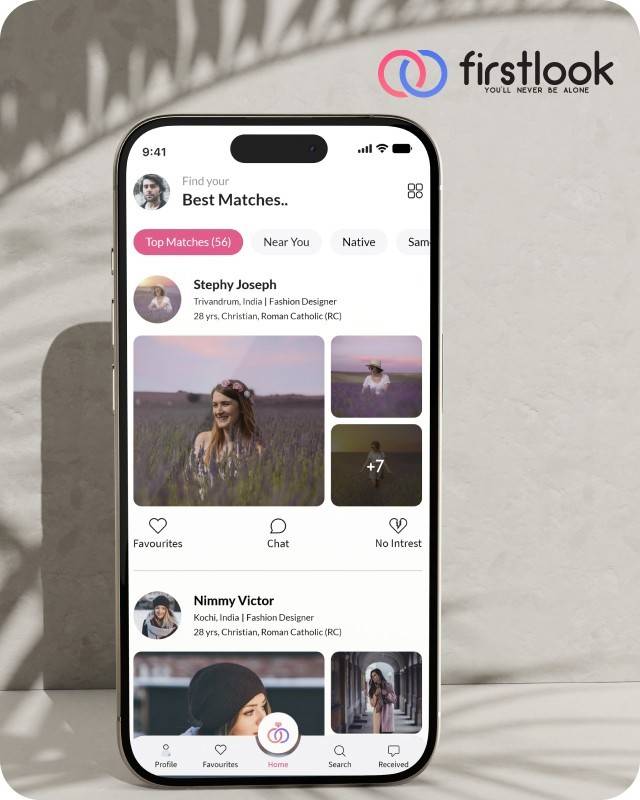
FirstLook Matrimony is a modern matchmaking app that helps you find your perfect life partner with personalized matches, easy chat options, and a secure platform built on trust.

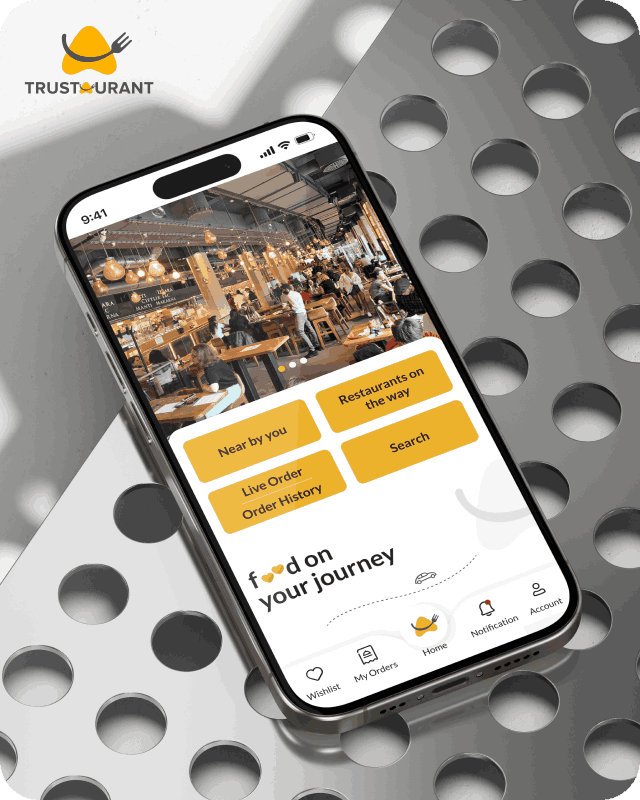
Trustaurant is a travel-friendly food app that helps you discover and order from trusted restaurants nearby or along your journey, all in real-time.
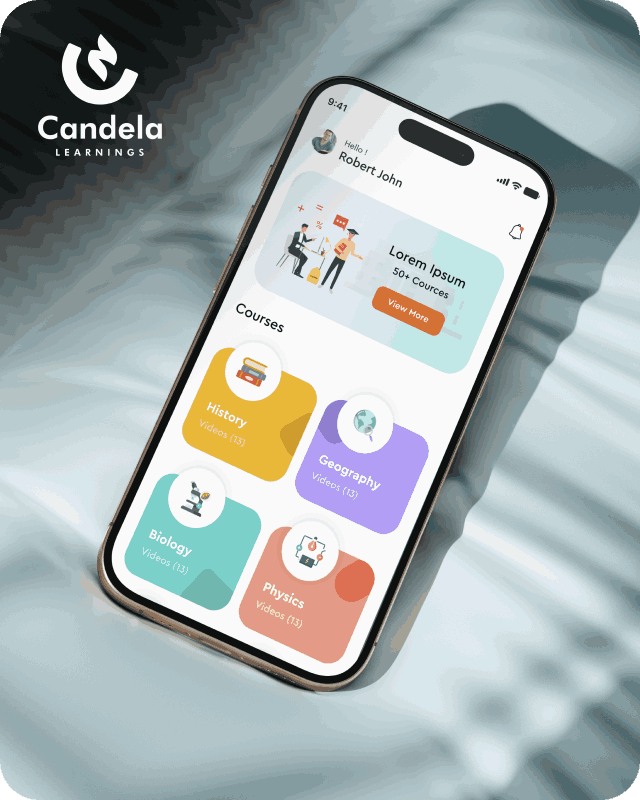
Candela Learnings is an engaging educational app offering interactive video courses in subjects like History, Geography, Biology, and Physics—all in one place.
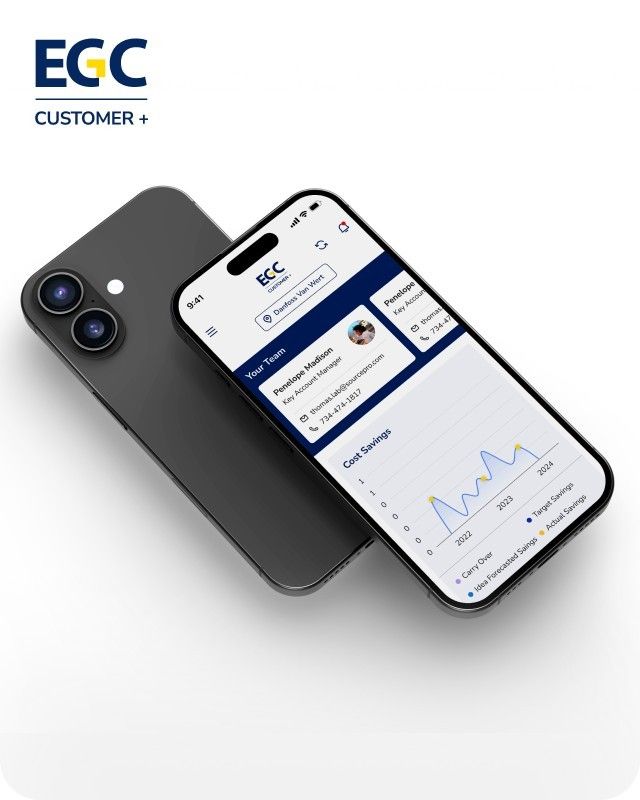
EGC Customer+ is a smart, user-friendly app designed to help you track cost savings, manage key contacts, and stay in control of your account performance—all in one place.
We are a team of highly dedicated mobile app developers that build cutting-edge mobile applications with the latest technologies.
View all WorksWe are a team of highly dedicated mobile app developers that build cutting-edge mobile applications with the latest technologies.
View more openings

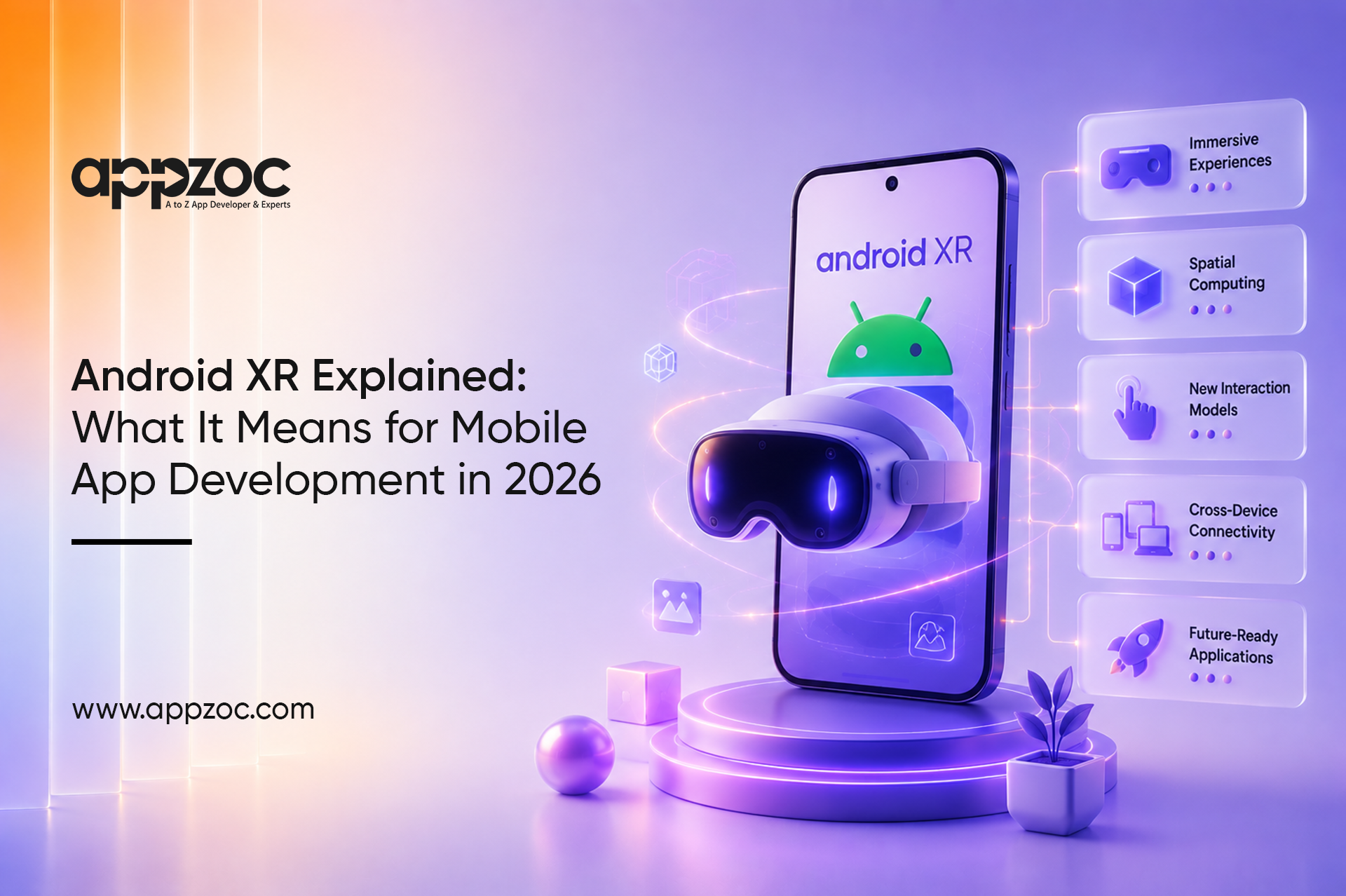
Most people still think XR means a headset gathering dust in a drawer. That was true in 2023. Then Samsung Galaxy XR shipped. Then Google confirmed that glasses are landing this fall. Android just became the operating system for a device category that used to belong to nobody.
Android XR is not a future bet. It is a shipping platform with real hardware, a maturing SDK, and Gemini built into the core experience. If you run a business with a mobile app, three things change right now: how users expect to interact with your product, what your roadmap needs to account for over the next 18 months, and which competitors are already building for spatial interfaces while you’re still reading think-pieces about it. This blog gives you the facts, not the hype.
Here’s the part most coverage skips. Google is not building one headset. It tried that with Google Glass in 2013, and the public tore it apart. This time the strategy is the one that won Android its phone market in the first place: give the operating system away, let Samsung, XREAL, Warby Parker, and Gentle Monster build the hardware, and let developers build everything else. One OS, many devices, one app ecosystem. That’s the actual bet. Understand it before you build anything on top of it.
Android XR is an operating system for headsets, glasses, and everything in between, built on the Android foundation your team already knows. XR stands for extended reality, an umbrella term covering virtual reality, augmented reality, and mixed reality on a single platform rather than three separate ones competing for developer attention.
The ecosystem so far:
None of this is speculative. It’s public, it’s dated, and it’s already in developer hands through Developer Preview 4 of the Android XR SDK, released in May 2026.
Four things separate Android XR from a normal Android build, and each one changes what an app can do.
Android XR apps and traditional Android apps are built for fundamentally different user experiences. While traditional apps are designed for touch-based mobile devices, Android XR apps are developed for immersive, spatial interactions that extend far beyond screen size.
| Traditional Android App | Android XR App |
|---|---|
| Fixed rectangular screen | App exists in open 3D space |
| Touch and tap input | Voice, gaze, and hand gesture input |
| Single-device context | Runs across headset, glasses, and phone |
| UI designed for one distance (arm’s length) | UI designed for variable depth and field of view |
| AI as a bolt-on feature | Gemini embedded in the interaction model |
Here’s the real story. On a phone, a user pulls an app toward them. On Android XR, the app is already in the room, and the user decides how much attention to give it.
This is where it gets practical for anyone with a product roadmap.
UI/UX changes. Buttons, cards, and menus built for a 6-inch screen don’t translate to spatial computing. Depth, anchoring, and field of view become design constraints your team hasn’t dealt with before. Skip this step and your XR app will feel like a phone screen taped to a headset. Users notice immediately.
Development considerations. Android XR supports Unity, Unreal, Godot, and native Jetpack XR tooling, so teams aren’t forced to abandon existing skill sets. But the platform is still moving through preview cycles. Build now, and you’re building on tools that will keep shifting for at least another year. That’s not a warning to wait. It’s a reason to build with a team that already tracks these shifts closely.
Multi-device experiences. The same app logic needs to hold up on a headset, glasses, and a phone, because Android XR is explicitly designed as one ecosystem across device types. Plan for that from day one, or rebuild for it in 2027. Those are the only two options.
For businesses already investing in Android, this isn’t a separate track. It’s the same platform extending into a new form factor. The best Android app development companies in Bangalore are the ones already positioned to make this shift, not the ones starting from zero.
The use cases stop being theoretical once you look at what’s already shipped.
Android Enterprise’s July 2026 support rollout, with partners including Microsoft Intune, Samsung Knox Manage, and ArborXR, confirms this isn’t a consumer-only platform. Businesses can now deploy and manage XR at scale. That’s the detail that turns a novelty into a line item on an IT budget.
The industry outlook isn’t a guess. It’s a published roadmap. Display glasses arrive in 2027. The SDK moves from preview to Beta this year. Google’s own executive leading the program stood on stage and confirmed intelligent eyewear ships this fall, with a date attached, not a vague promise.
Adoption will follow the same curve Android followed on phones: slow at the high end, then fast once mid-range hardware and the app ecosystem catch up to each other. This time, Google isn’t waiting around for a killer app to show up on its own. Gemini is built into the operating system from day one, so every Android XR app inherits AI capability without extra integration work. That single decision is going to save developers months.
Android XR isn’t a concept deck. It’s a shipping headset, a fall 2026 glasses launch, an SDK in active development, and an enterprise deployment story with real partners already attached. Businesses that treat this as a five-year-away problem will spend 2027 catching up to competitors who started building in 2026. That gap is avoidable, and it’s the only part of this story you actually control.
Being early isn’t the win here. Building it right while you’re early is. That takes a partner who already understands Android’s architecture, tooling, and design constraints, because that’s exactly what Android XR extends. Not replaces.
If your business is weighing what Android XR means for your product, talk to Appzoc. We build on Android today, and we’re ready to build for where Android is going.