Flutter
Make the most of this cutting-edge technology by developing apps quickly! Our Flutter solutions have amazing features that can be used to create sleek, high-performance apps that can scale seamlessly across platforms.



We aim to build applications that excel in all aspects. We consider customer satisfaction as the best award we could receive. In that journey, we have been recognized multiple times for the exceptional products we deliver.
Faster work process

Customer Review on Google
Successful projects accross the world
We are a team of highly dedicated mobile app developers that build cutting-edge mobile applications with the latest technologies.
About us
We cater to dedicated and tailored app development to help companies expand and achieve new heights. We deliver great features focusing on the latest technological advancement.

Our expertise in hybrid application development in Kerala, comes by integrating our agile methodology. We are the leading experts in hybrid application development.

Our rank booster packages reap maximum results for ranking mobile apps higher in the highly competitive niche. We get ahead with a proper ASO strategy crafted under our years of ASO experience.

Our landing page creation in a faster mode connects seamlessly with popular marketing platforms. We build efficient landing pages that crush your revenue goals.
We are a team of highly dedicated mobile app developers that build cutting-edge mobile applications with the latest technologies.
View all Services
Make the most of this cutting-edge technology by developing apps quickly! Our Flutter solutions have amazing features that can be used to create sleek, high-performance apps that can scale seamlessly across platforms.

Explore the endless possibilities of mobile app development with our Figma services. Design compelling apps and refine your tech skills, all while leveraging cutting-edge tools to make a meaningful impact in the industry. Appzoc ensures a seamless user experience.

From startups to enterprises, we specialize in creating Android app development services that drive growth. Our team at Appzoc focuses on developing apps that provide an outstanding experience across all Android devices and wearables.

Node.js, for its high scalability, simplifies the mobile application process and is widely used for real-time applications with many open-source libraries and frameworks. The server-side and client-side switches are easy with Node.js. Node.js developers can constantly publish new code making the app possible as and when needed.
We are a team of highly dedicated mobile app developers that build cutting-edge mobile applications with the latest technologies.
View all Technologies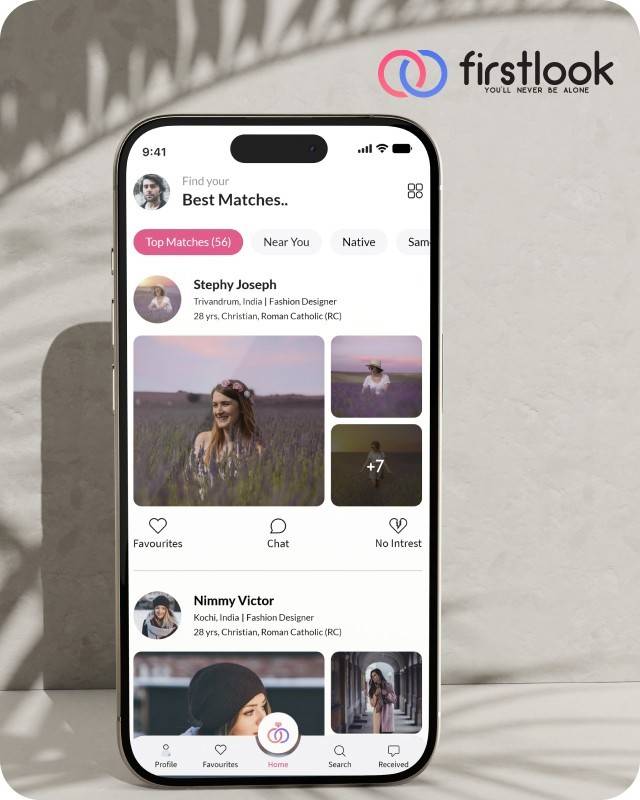
FirstLook Matrimony is a modern matchmaking app that helps you find your perfect life partner with personalized matches, easy chat options, and a secure platform built on trust.

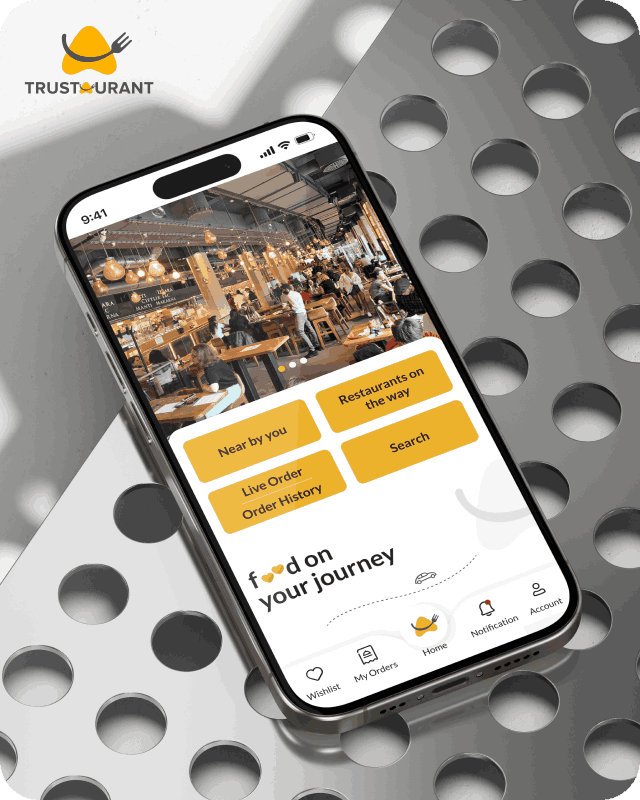
Trustaurant is a travel-friendly food app that helps you discover and order from trusted restaurants nearby or along your journey, all in real-time.
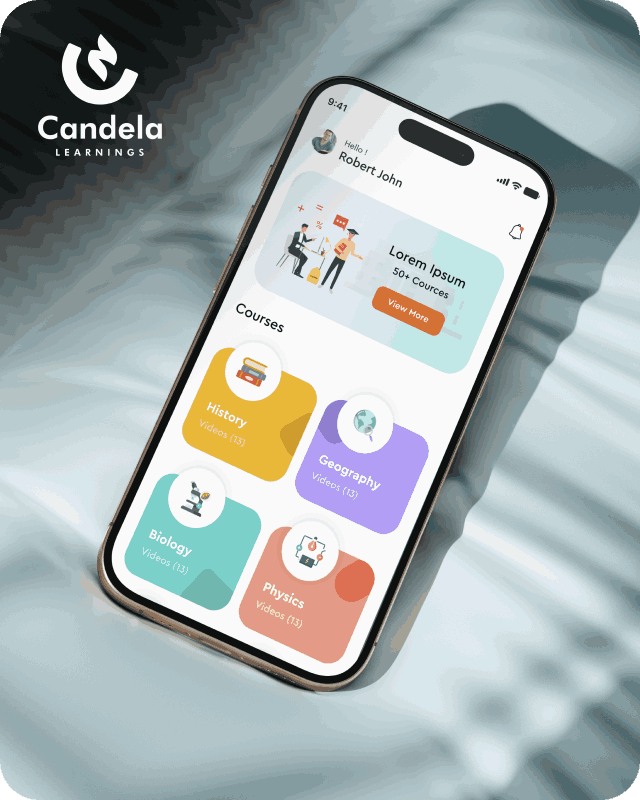
Candela Learnings is an engaging educational app offering interactive video courses in subjects like History, Geography, Biology, and Physics—all in one place.
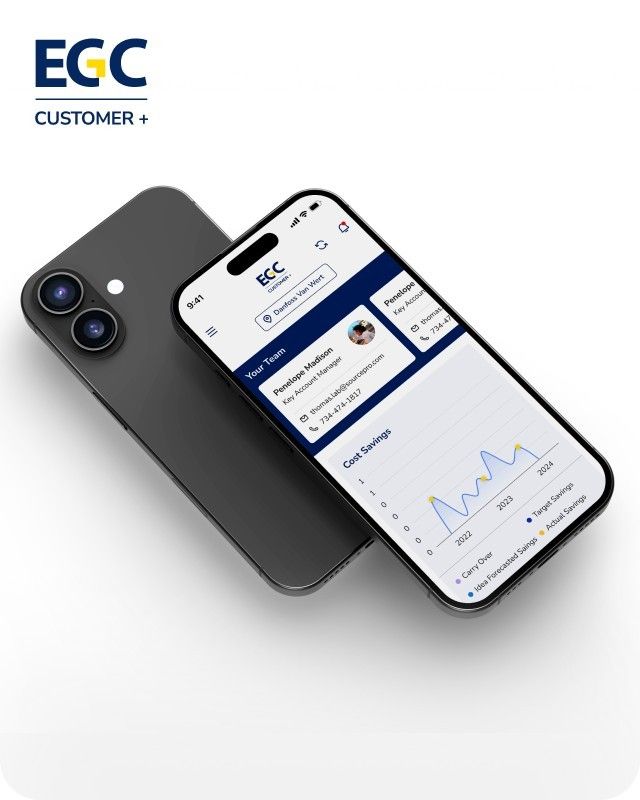
EGC Customer+ is a smart, user-friendly app designed to help you track cost savings, manage key contacts, and stay in control of your account performance—all in one place.
We are a team of highly dedicated mobile app developers that build cutting-edge mobile applications with the latest technologies.
View all WorksWe are a team of highly dedicated mobile app developers that build cutting-edge mobile applications with the latest technologies.
View more openings

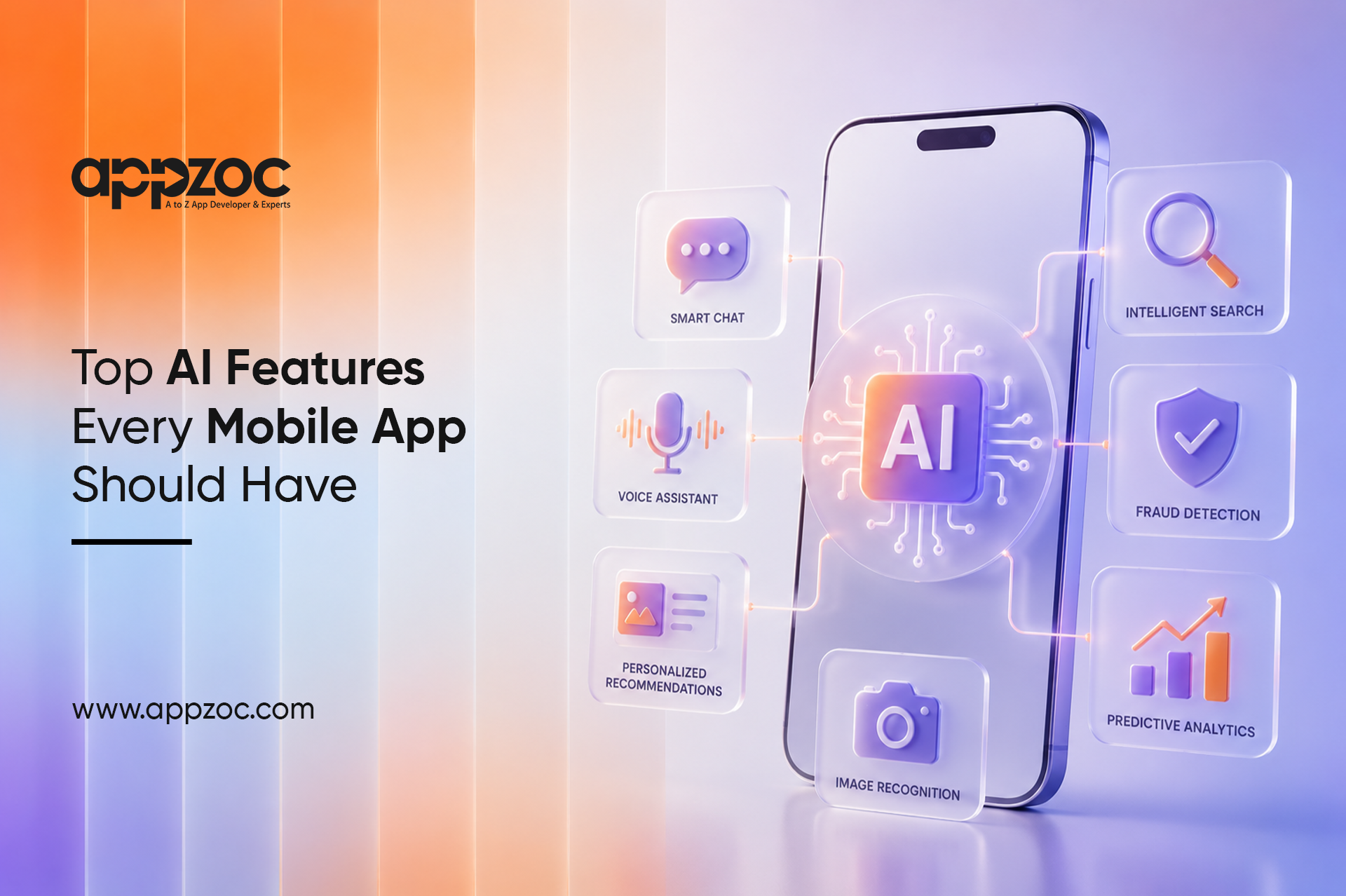
Artificial intelligence is changing how modern mobile applications are built and used. Businesses are using AI to create faster, smarter, and more personalized user experiences through AI mobile app features such as intelligent search, chatbots, and personalized recommendations. As user expectations continue to grow, AI features for mobile apps are becoming an essential part of successful applications in 2026. This guide explores the best AI features for mobile apps, explains how they improve user engagement, efficiency, and business growth, and helps businesses choose the right AI capabilities for their applications.
A streaming app that queues up the right show. A shopping app that remembers a size without being told twice. People get this kind of treatment daily, and once they do, they expect it from every app they touch. Anything that feels generic by comparison starts to feel old, regardless of how well it technically runs.
Waiting has become the enemy. Whether it’s a 2am question to a chatbot or a search bar that gets what someone actually meant, the expectation is instant. AI in mobile app development is what makes meeting that expectation possible without tripling the size of a support team.
This is where the value becomes obvious. Apps built around sharper recommendations and well-timed alerts keep users around longer. A one-size-fits-all app rarely competes with a rival that feels tailor made.
These engines track what someone browses, buys, or lingers on, then surface content that matches those patterns. It’s one of the clearest ways AI contributes to higher user engagement, longer sessions, and revenue growth.
Old chatbots were stiff and scripted, and users could tell within one exchange. Today’s versions handle real questions and guide people through tasks instantly, no human agent needed on the other end. The real payoff shows up after hours, when support is offline but the question hasn’t gone away.
What started as a gimmick is now genuinely useful for accessibility. Drivers, multitaskers, anyone who finds typing awkward, all benefit directly. Voice interfaces rely on conversational AI and natural language processing (NLP) to interpret complete requests rather than isolated keywords, allowing users to interact with apps more naturally.
Predictive analytics uses historical user behavior to anticipate future actions and needs. A fitness app notices motivation slipping and suggests a shorter workout. An ecommerce app predicts products a customer is likely to reorder before they run out. Either way, the app stops just reacting and starts getting ahead of what the user actually needs.
Basic search matches literal words. Smart search, powered by natural language processing (NLP) and semantic search, understands user intent instead of matching exact keywords. That means a search for “cheap flights next weekend” can return relevant results even if those exact words never appear.
Sometimes it’s just easier to show than tell. Snap a photo of a product in an ecommerce app and find something similar. Healthcare apps can use image recognition to assist clinicians by identifying patterns or helping users document symptoms, but medical decisions still require professional evaluation. Visual recognition reduces the need for users to describe what they’re looking for, making interactions faster and more intuitive.
Generic push alerts get muted within days, sometimes hours. Notifications built on real behavior data land at moments a user is actually likely to engage, instead of firing at everyone simultaneously. One well-timed alert consistently outperforms a dozen ignored ones.
This one isn’t optional for apps touching payments or personal data. AI continuously monitors transaction and user behavior to detect unusual patterns and flag potential fraud in real time. Finance, ecommerce, and healthcare apps carry the highest stakes here, since a single security failure can erase user trust for good.
AI drafts summaries, personalized descriptions, and dynamic content pulled straight from user data, cutting down the manual grind of keeping things current. A news app might condense a long story automatically. A fitness app might spin up a weekly recap for each user. Human review remains essential to verify accuracy, maintain brand voice, and ensure content meets quality standards.
Apps targeting a global audience run into language as a real barrier. Rather than maintaining a separate build per language, AI translates content on the fly, letting each user interact however suits them best.
Implementing every AI feature at once rarely delivers the best results. Start by solving your users’ biggest challenges and expand based on measurable outcomes.
Match AI capabilities to actual business goals first. A retail app leans on recommendations and visual search. A fintech app leans harder into fraud detection and predictive analytics. Choose what the business genuinely needs, not whatever looks sharp in a slide deck.
Then look honestly at where users struggle. Support tickets piling up overnight point to a chatbot as the fix. People abandoning search results point to smart search mattering more than some feature nobody asked for.
Finally, prioritize what can actually be measured. Tie every AI feature to something trackable, whether that’s retention, conversion, support costs, or time spent in app. Features that resist measurement tend to become expensive additions with no clear payoff.
AI has become a core part of modern mobile app development rather than a future consideration. It’s actively shaping whether users keep an app installed or delete it after a week. Businesses that choose the right AI features deliberately, instead of chasing every trend, tend to see real gains in engagement, efficiency, and growth. The ones that wait too long usually lose ground to competitors who acted first.
If you’re planning to build or upgrade an app with the right AI capabilities, working with a team that understands both the technology and your business goals makes a real difference. As the Best Mobile App Development Company in Bangalore, Appzoc helps businesses build AI-powered mobile applications that move the needle, not just check a box. Our app development services in Bangalore exist for one reason: building apps people actually want to keep using.
Ready to build an AI-powered mobile app? Contact Appzoc to bring your idea to life.